
Last updated November 22, 2026
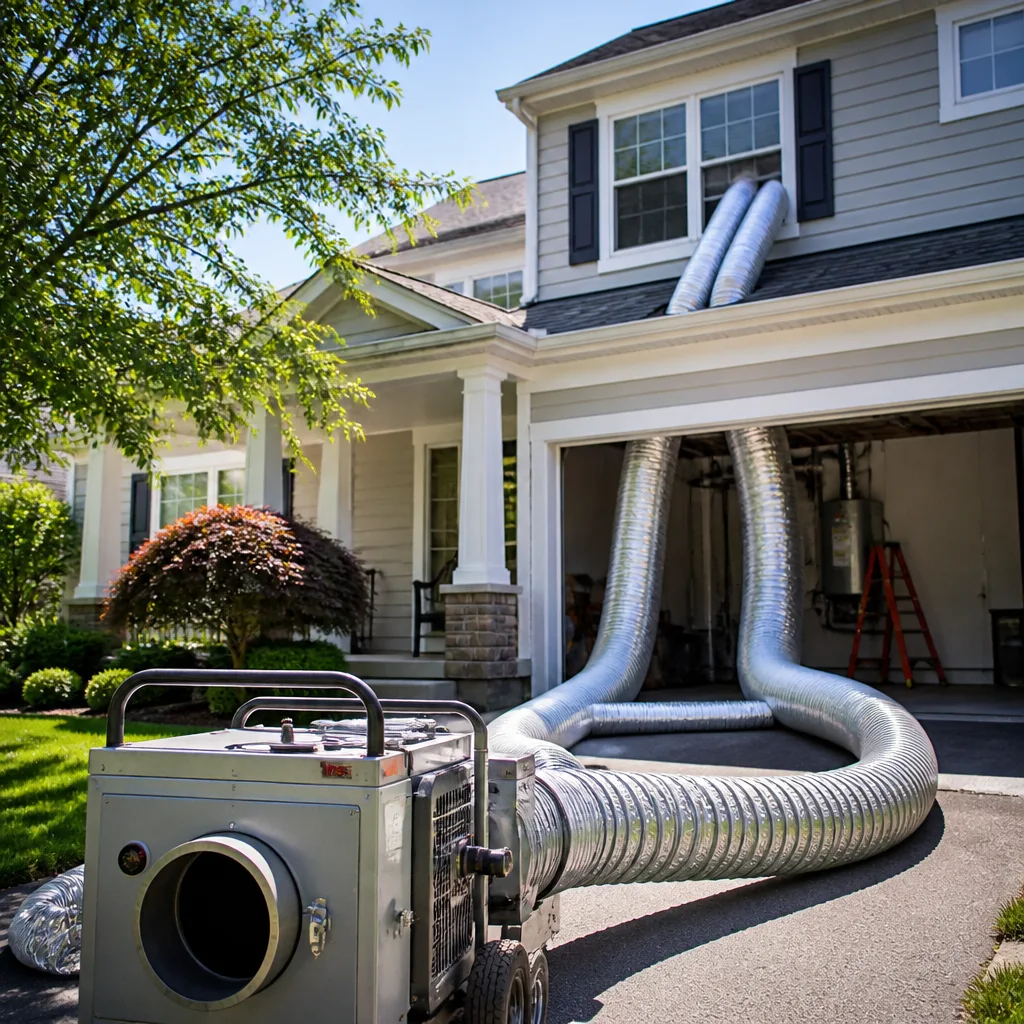 Whole-home duct cleaning
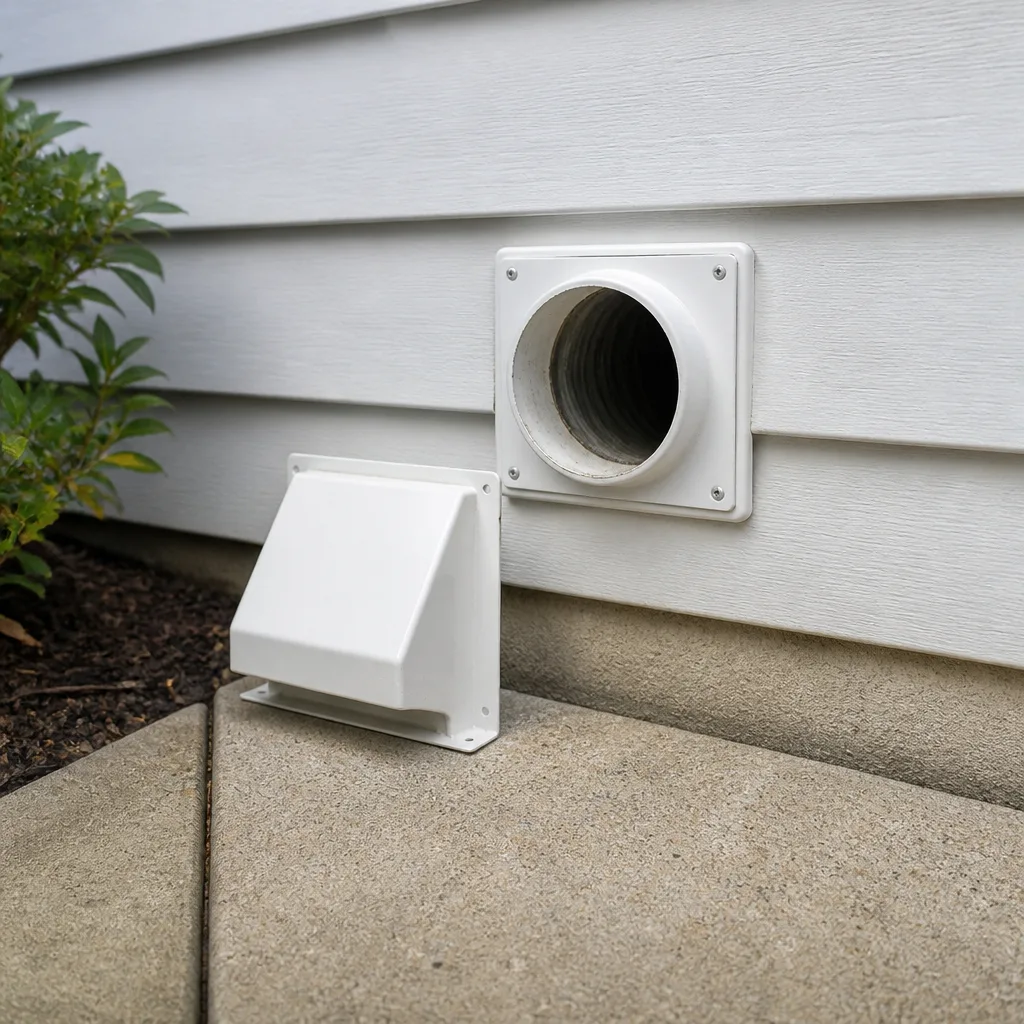 Dryer vent cleaning
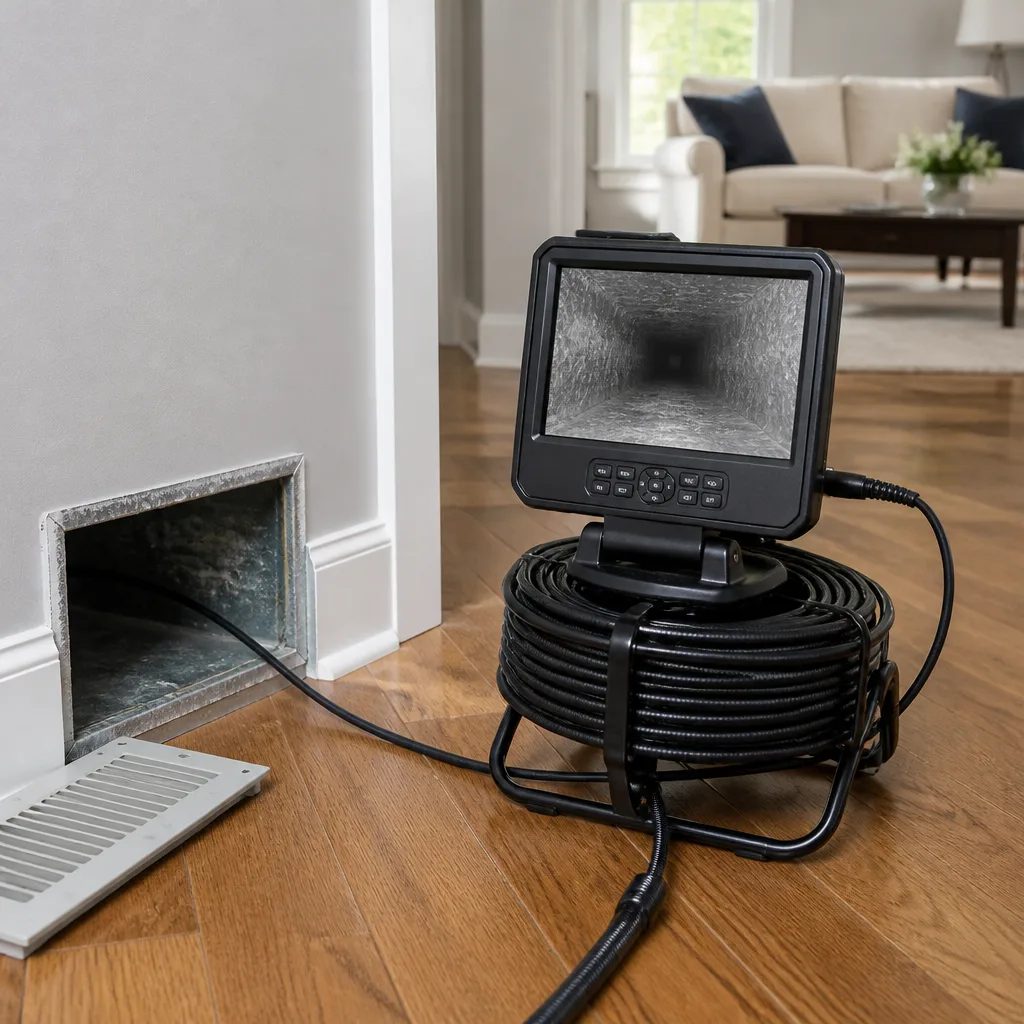 Camera inspection
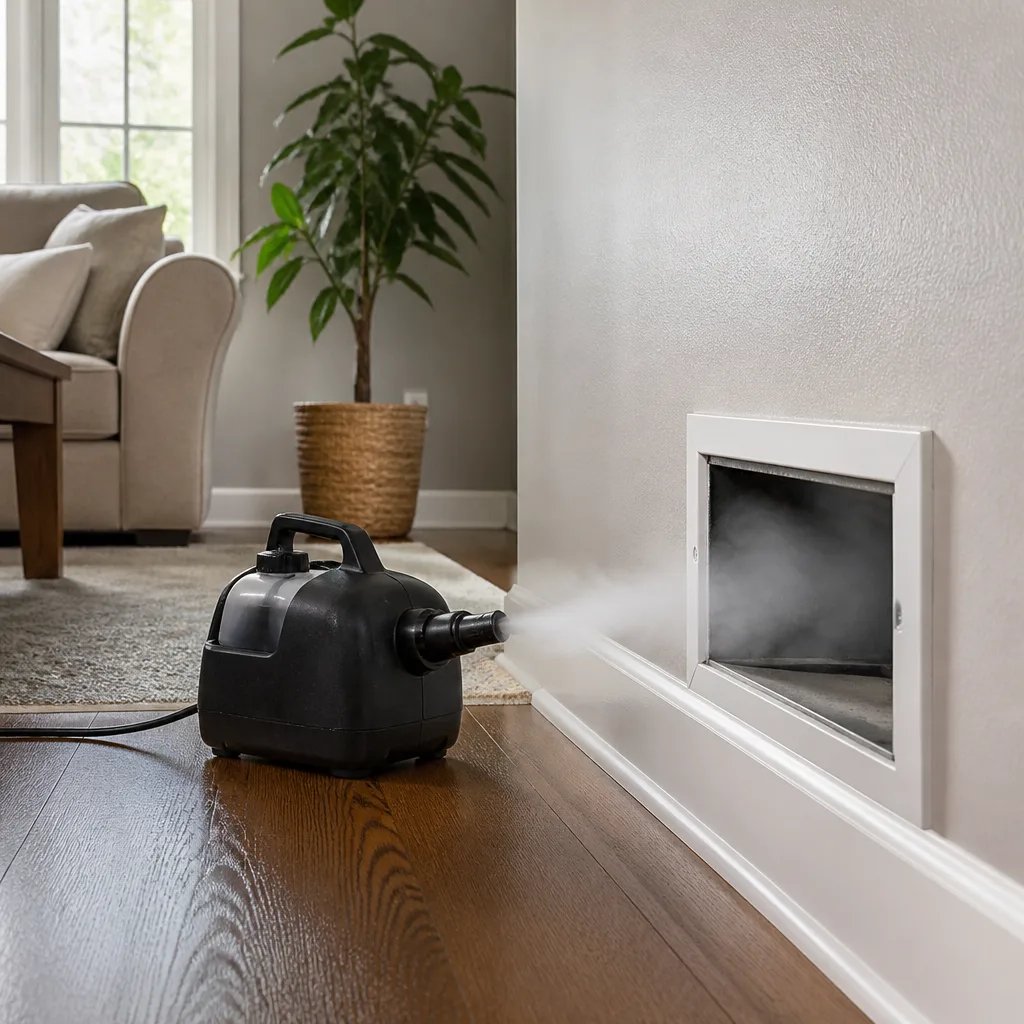 Sanitizing & deodorizing
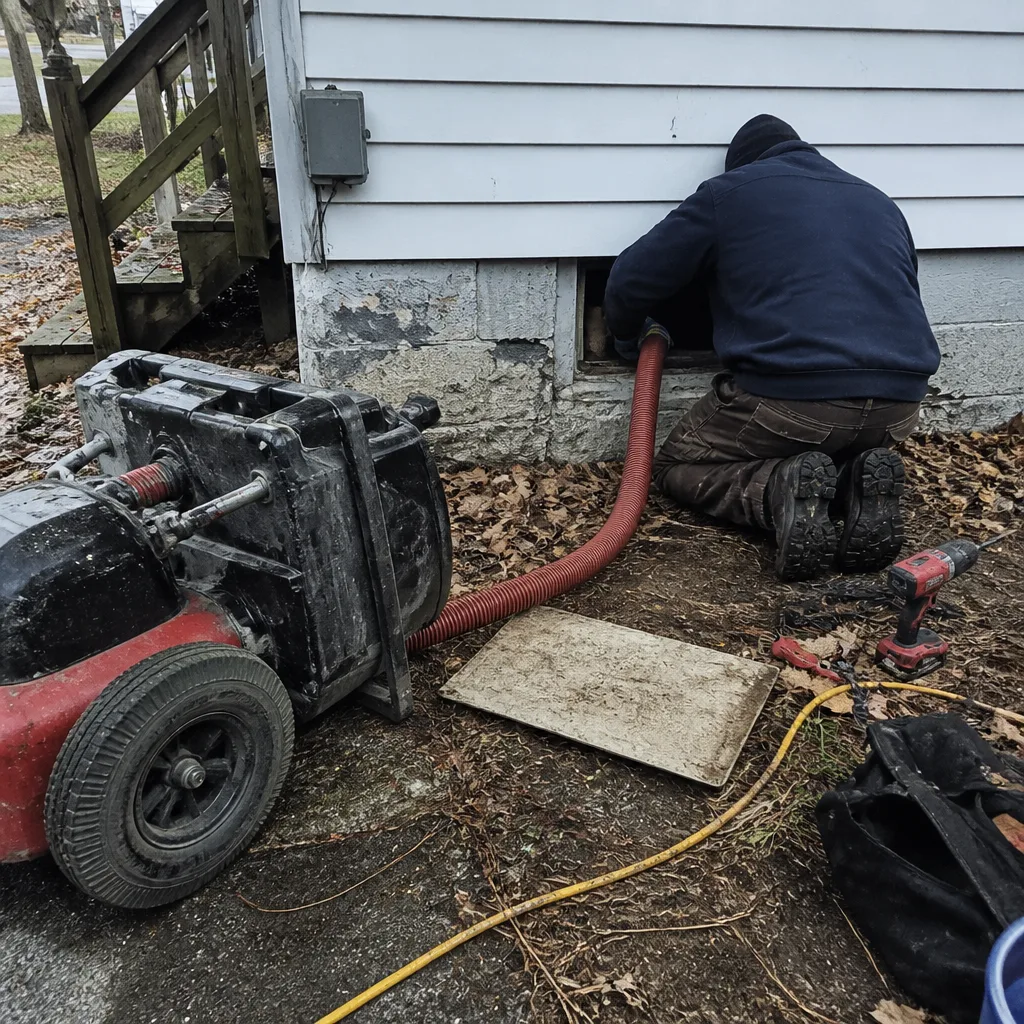
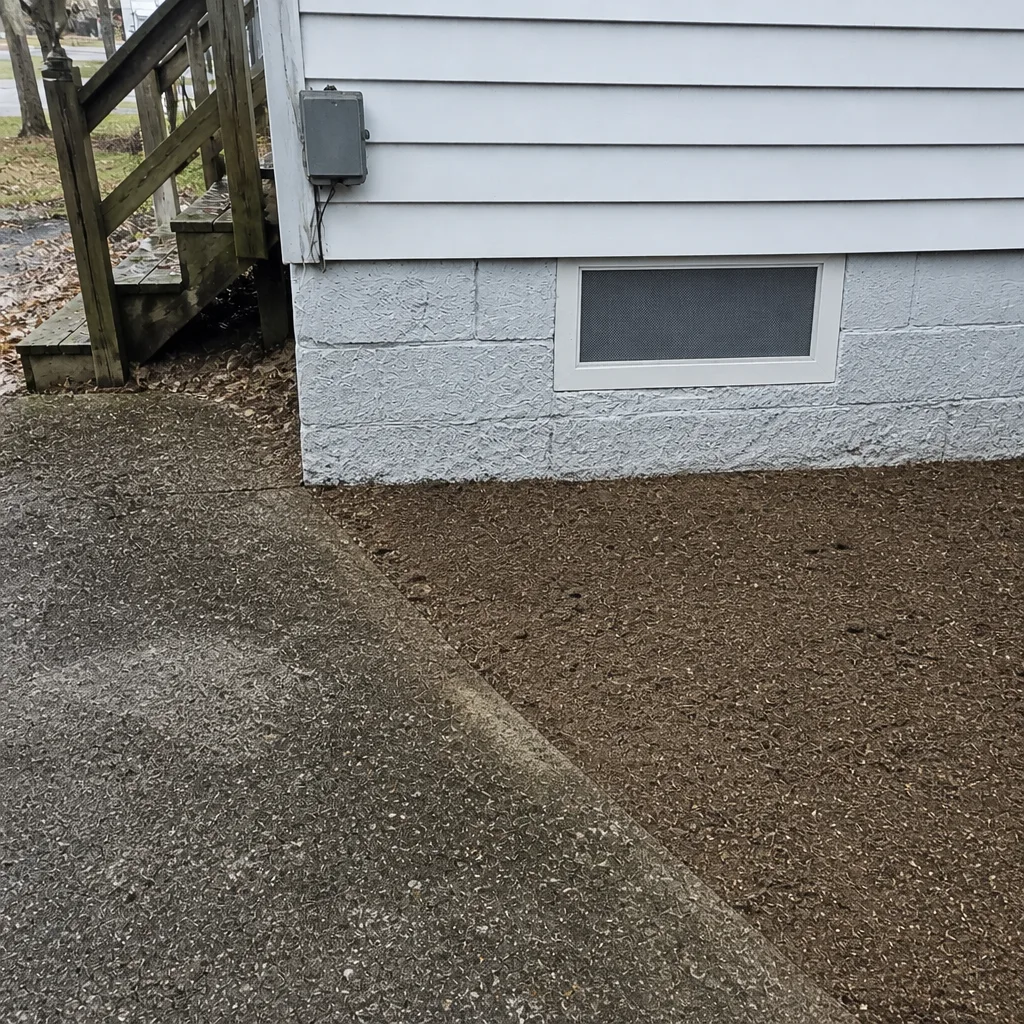
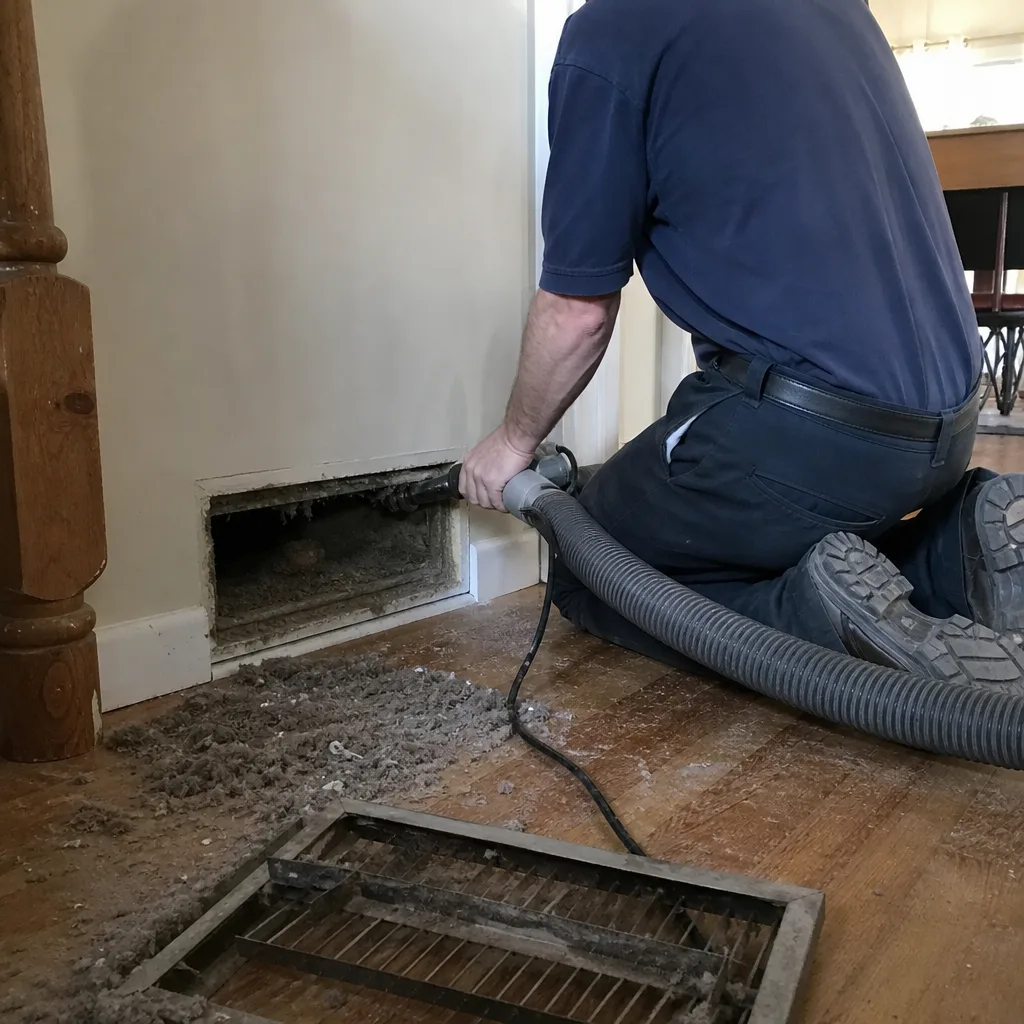
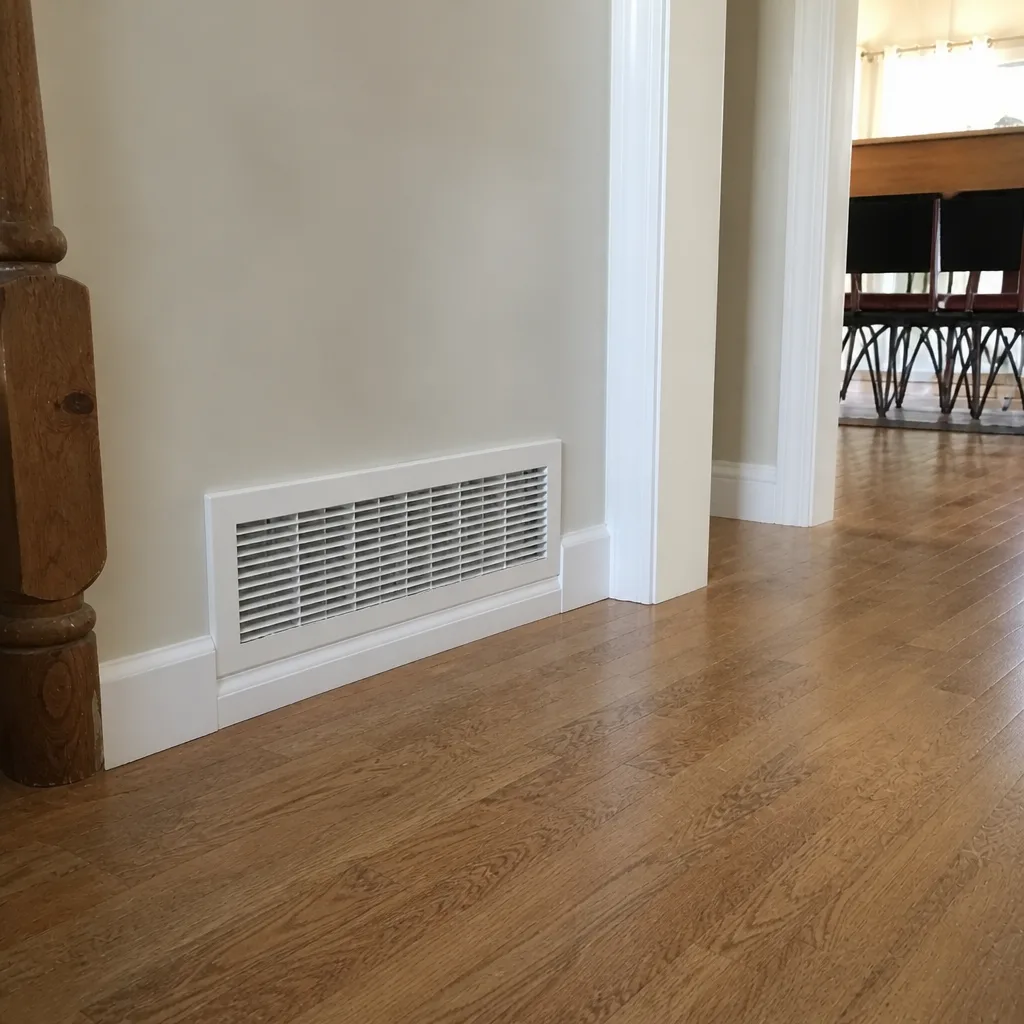
Whole-system duct and dryer vent check with before-and-after photos - you see exactly what came out of your vents
That "$99 whole-house special" is a bait ad - the real number appears once they are in your hallway, or the "clean" is a shop-vac at the register. We photograph the inside of your ducts before and after instead.
Air Duct Cleaning Cost Breakdown: The Tremont Homeowner’s Reference for 2026
The cheapest air duct cleaning quote you’ll find in Tremont almost certainly doesn’t include the step that makes cleaning work at all: negative pressure containment. That equipment costs more to run than the entire cheap job is being priced at, so it doesn’t appear. What you get instead is a vacuum at one register and a promise at the rest. This reference breaks the price down into what each dollar actually buys, why a $99 quote and a $600 quote are often two completely different services wearing the same name, and what a legitimate professional-grade cleaning of a Tremont duct system costs in 2026. No coupons, no teaser prices, just the line items.
Styles & brands we work with
- Whole-home duct cleaning
- Dryer vent cleaning
- Camera inspection
- Sanitizing & deodorizing
Quick Answer
A legitimate professional air duct cleaning for a typical Tremont home in 2026 generally runs somewhere in the low hundreds to the mid hundreds per system, with the final figure set by system size, duct configuration, and how much microbial or debris load is found inside. The floor for any job that includes proper negative-pressure containment, mechanical brush agitation, and register cleaning sits well above the advertised coupon prices, because equipment costs alone make those low figures impossible to deliver honestly. A written estimate based on your actual system is the only number that means anything.
Table of Contents
- Why Two Duct Cleaning Quotes in Tremont Can Differ by Hundreds of Dollars
- The Line-by-Line Breakdown: What You’re Actually Paying For
- Why Per-Vent Pricing Is a Red Flag
- The Real Cost of Add-On Services – and Which Are Worth It
- How Tremont’s Housing Stock Changes the Price
- What a Legitimate Cleaning Actually Costs in 2026
- How a Professional Duct Cleaning Actually Runs, Start to Finish
- Common Mistakes to Avoid
- When to Call a Professional
- Frequently Asked Questions
- The Bottom Line
Why Two Duct Cleaning Quotes in Tremont Can Differ by Hundreds of Dollars
The air duct cleaning trade has no universal scope of work. There is no code-defined definition of what “duct cleaning” includes, which means one contractor’s $120 cleaning and another’s $550 cleaning can both be honestly labeled the same thing while sharing almost no actual procedures. The first might consist of a shop vacuum at your floor registers and a wiped-down return grille. The second involves a negative air machine sealing the system under vacuum, mechanical brush agitation through every branch line, and HEPA-grade filtration capturing what comes loose. Those are not versions of the same service. They are different services.
This is the single most useful thing a Tremont homeowner can understand before making any calls. The price difference is not brand markup. It is equipment. A truck-mounted or portable negative air machine, a Rotobrush or Nikro agitation system, and abatement-grade filtration all cost real money to purchase, maintain, and run. A contractor operating that equipment cannot price a job at the coupon figure, and a contractor pricing at the coupon figure cannot afford to run that equipment. The number on the quote tells you which kind of operator you’re talking to.
There’s a second layer, too. In a borough like Tremont, where the housing stock is dense and the systems are mixed, the assessment work before anyone touches a duct matters more than in a new subdivision where every home is a known quantity. A technician who has to open access panels, trace a conversion from radiator to forced air, or identify where the original flex duct was spliced in has already spent time that a cookie-cutter quote doesn’t budget for. That time is real, and it shows up in the honest estimate.
The Line-by-Line Breakdown: What You’re Actually Paying For
A professional-grade duct cleaning is a sequence of distinct operations, and each one carries its own labor and equipment cost. When you get a written estimate in Tremont, the better ones break down along these lines:
- System size assessment. The technician maps the layout: how many branch runs, what the trunk line is made of, whether there are multiple zones, and where access points need to be created to reach the whole system without cutting open finished ceilings.
- Access point creation. Most residential duct systems were not built with cleaning in mind. Reaching every run usually means cutting small access holes and resealing them afterward. This is skilled work and it takes time.
- Negative air machine operation. A high-powered vacuum connects to the trunk line or a dedicated port and pulls the entire system under negative pressure for the duration of the job. This is what prevents disturbed dust from simply resettling in the living space.
- Mechanical brush agitation. Rotobrush and Nikro systems drive a rotating brush and air whip through the duct interior, breaking loose what has bonded to the duct walls. Vacuum alone does not remove adhered debris; agitation does.
- Register and grille cleaning. Supply and return covers are removed, cleaned, and reinstalled. This is often skipped in low-price jobs and it is one of the first things a homeowner notices if it isn’t done.
- Post-job sanitization. A treatment step addressing microbial growth and odors inside the ductwork, discussed in detail further down.
- Containment and cleanup. Guardsman-grade surface protection over furnishings and finished floors, and a proper cleanup afterward.
Every one of those steps costs the operator something. When a quote lists only a grand total, you can’t tell which steps are actually happening, which is exactly why a written, itemized estimate is worth asking for. If your air duct cleaning quote is a single figure written on a receipt, you have no way to compare it to anything.
Why Per-Vent Pricing Is a Red Flag
Per-vent pricing is the most common pricing model in duct cleaning and it’s also the one that most reliably produces a final invoice that looks nothing like the quote. The problem is structural: a per-vent price quotes only the part of the job that is easy to count. It says nothing about containment, agitation, the trunk line, the return side of the system, or the condition inside the ducts. A homeowner with twelve vents gets a number that seems straightforwardly multiplied out, and then the technician on site finds the trunk line full of debris, or the flex runs collapsed, and the price moves.
What a square-footage or system-based structure signals is different. It tells you the contractor is pricing the whole system as one unit of work, which in practice means they intend to clean the whole system. It also removes the incentive to charge you for vents that don’t need much and undercharge for vents that do. In older Tremont housing, where duct runs vary wildly from home to home, a flat per-vent figure can’t reflect reality without either inflating the simple jobs or shortchanging the difficult ones.
When you’re comparing quotes, ask two questions directly: is this price for the whole system or per register, and does it include negative-pressure containment for the full duration of the work. The answers will sort the legitimate operators from the rest faster than any review profile will.
The Real Cost of Add-On Services – and Which Are Worth It
Add-ons are where pricing transparency most often breaks down, because some genuinely raise the quality of the job and others mostly raise the invoice. Here’s how to tell them apart.
Worth considering
- Dryer vent cleaning. A genuinely separate service with a genuine safety rationale, since lint accumulation in the dryer exhaust is a fire hazard independent of anything in the HVAC ducts. It’s usually priced as its own job. If your dryer is taking longer to dry clothes, this is the add-on to take seriously. You can read more about it on the dryer vent cleaning page.
- Coil cleaning. The evaporator and condenser coils sit in the air pathway and accumulate the same debris as the ducts. Cleaning them as part of the same visit is efficient, since the system is already under containment. It’s typically a meaningful addition to the price but it addresses a component that directly affects efficiency.
- Duct repair and sealing. If the assessment finds gaps, disconnected runs, or deteriorated connections, sealing them is what keeps the system from recontaminating itself. Cleaning a leaking system is a temporary result. This one is often the most consequential recommendation on the list.
- Air quality treatment. Sanitizing addresses microbial growth and persistent odors rather than visible debris. Whether it’s worth it depends on what’s actually in the system, which is why a technician should show you before recommending it.
Often margin builders
- Deodorizing foggers sold as a standalone step. A scent masking an odor is not a treatment. If the source isn’t addressed, the smell returns.
- Filters and air quality products pushed without a system assessment. Products from Aprilaire and Honeywell are legitimate, but they solve specific problems. A filter recommendation only makes sense after someone has looked at the system.
If you’re also having the air handler and associated components cleaned, that’s a distinct scope worth understanding. Our HVAC cleaning page covers how that differs from duct-only work.
How Tremont’s Housing Stock Changes the Price
Duct cleaning prices in Tremont can’t be quoted off a national average, because the local housing stock produces job conditions that don’t exist in newer construction. Three factors push a Tremont job toward the higher end of the range:
- Radiant-to-forced-air conversions. A large share of older Tremont homes were built with radiators or baseboard heat and later converted to forced air. The ductwork added during those conversions is often routed through whatever space was available, with more turns, tighter runs, and less planning than a purpose-built system. More turns mean more agitation time and more access points.
- Original flex duct. Flex duct that has been in place across multiple decades is prone to sagging, tearing at the connections, and internal liner breakdown. Where it has deteriorated, cleaning becomes a judgment call about whether the run can be cleaned effectively or needs repair first. That assessment takes time.
- Metal trunk lines with long runs. Older metal trunk lines can be excellent ductwork, but the sheer surface area means the agitation and extraction phase runs longer, and reaching the far end of a long trunk may require an additional access point.
Housing density adds a practical wrinkle as well. In tightly packed blocks, running negative-pressure equipment and reaching the system may mean working in a confined basement or a closet penetration rather than a wide utility area. Setup takes longer, and setup time is part of the estimate.
For a quick sanity check on the system itself, look at the return grille after a week of normal living. If the dust film re-forms quickly after you clean it, the system is likely redistributing debris from inside the ductwork rather than just drawing in room dust.
What a Legitimate Cleaning Actually Costs in 2026
Here’s the honest answer: a professional-grade residential duct cleaning in the Tremont area in 2026 generally falls somewhere between the low hundreds and the mid hundreds per system, with most homes landing in the middle of that range. The final price depends on the variables below, and the written estimate you receive on site sets the final figure. We won’t quote you a teaser number here, because a real one requires looking at your system.
The cost drivers that move a job from the low end to the high end:
| Cost driver | Effect on price |
|---|---|
| Number of branch runs and system zones | More runs mean more agitation and extraction time. Larger systems cost more. |
| Duct configuration and accessibility | Conversions with tight turns and limited access require more setup and additional access points. |
| Condition of flex duct | Deteriorated or damaged runs require assessment and sometimes repair before or alongside cleaning. |
| Debris and microbial load | A system that has never been cleaned, or has visible growth, takes longer and may require sanitizing. |
| Add-on services selected | Coil cleaning, dryer vent cleaning, duct sealing, and air quality treatment each add to the total. |
| Property type | Property managers with multiple units typically see per-unit pricing that reflects efficiency across the portfolio. |
Those are the levers. A small, accessible, recently maintained system in a newer Tremont conversion sits near the bottom. An older home with original flex, a long metal trunk, twelve branch runs, and no cleaning history sits near the top, and the difference between the two is entirely justified by the work involved.
How a Professional Duct Cleaning Actually Runs, Start to Finish
Knowing the sequence helps you evaluate whether a contractor is actually doing what they quoted. A proper job follows these steps in order:
- Walk-through and assessment. The technician inspects the system, identifies the number and condition of runs, checks the air handler and return side, and confirms the scope with you before any work starts.
- Surface protection. Guardsman-grade protection goes down over finished floors and furnishings before equipment is brought in.
- Negative pressure established. The negative air machine is connected to the system and sealed in. This runs for the entire duration of the cleaning, not just part of it, because its job is to keep loosened debris from escaping into your living space.
- Mechanical agitation. Rotobrush and Nikro equipment drives brushes and air whips through each branch line and trunk, breaking adhered debris loose while the vacuum carries it out.
- Register and grille cleaning. Supply and return covers come off, get cleaned, and go back on.
- Air quality step. If sanitizing is included, it’s applied to the cleaned duct interior to address microbial growth and odors that mechanical cleaning alone doesn’t resolve.
- Final inspection and cleanup. The technician confirms the work, removes protection, and seals any access points created during the job.
Note that step three runs throughout the job. That’s the detail that most separates a real cleaning from a cosmetic one, and it’s the reason our work relies on abatement-grade Abatement Technologies filtration equipment rather than improvised vacuum setups. Capturing airborne particulate while the system is open is the whole point.
Common Mistakes to Avoid
- Buying on price alone. The cheapest quote in Tremont is usually cheap because containment equipment wasn’t budgeted. You end up paying for a service that doesn’t do what it’s named for.
- Accepting a per-vent quote without asking about scope. If the number is per register and the trunk line isn’t mentioned, ask whether the trunk is included and whether the system runs under negative pressure.
- Skipping the walk-through. A contractor who quotes without inspecting the system, especially in a Tremont conversion where routing varies, is guessing. A proper estimate comes from looking at what’s there.
- Adding sanitizing without checking what’s in the system. Sanitizing is worthwhile when there’s microbial growth or persistent odor to address. Sold as a default add-on, it’s margin. Ask to see before it’s recommended.
- Ignoring leaks and disconnected runs. Cleaning a leaking system without sealing it means the same debris path refills the ducts. If sealing comes up in the estimate, it’s usually there for a reason.
- Assuming duct cleaning and coil cleaning are the same job. They’re not. A clean duct system feeding a debris-covered coil still delivers diminished airflow and efficiency. Clarify which components are in scope.
- Not asking for before-and-after documentation. Photos of your own ducts before and after are the simplest way to confirm the work was actually done. The better contractors take them as a matter of course.
When to Call a Professional
Not every dusty house needs a duct cleaning, but specific situations are clear signals it’s time to schedule one. Persistent dust that re-forms on surfaces within days of cleaning is one, since it usually means the system is redistributing debris rather than just collecting room dust. A musty or stale smell when the system first starts is another, and it points toward microbial growth rather than ordinary dust. Allergy symptoms that ease when you’re away from home and return when you’re back are worth taking seriously. Visible debris or growth around a register, a system that has never been professionally cleaned, a recent renovation that left construction dust in the return side, or noticeable airflow loss are all reasons to have the system assessed.
Air Duct Cleaning Tremont offers free estimates in Tremont. Call (833) 468-5768. We answer 24/7. Fast dispatch from 7am to 7pm, Sunday through Friday. Our technicians have up to 8 years of experience, and every job uses professional-grade Rotobrush and Nikro equipment with abatement-grade filtration for airborne particulate control. If you’re not sure whether your system needs cleaning at all, that’s a reasonable question to bring to the estimate. The starting point is always a look at what’s actually inside the system, not a price sheet.
Frequently Asked Questions
A legitimate professional-grade cleaning in Tremont in 2026 typically falls in the low hundreds to mid hundreds per system, with the exact price set by system size, duct configuration, condition, and any add-on services selected. The written estimate you receive after a walk-through sets the final figure. Call (833) 468-5768 for an exact quote. Estimates are free.
Cheap quotes are usually cheap because they don’t include negative-pressure containment, which is the step that makes cleaning effective. The equipment to run a system under vacuum for the duration of a job costs more to operate than a low coupon price covers, so it’s left out. What remains is surface work rather than a full system cleaning. Call (833) 468-5768 to get a quote that includes the containment step.
Ask for before-and-after photos of your own ducts, taken during the visit. That’s the clearest evidence that mechanical agitation and extraction actually happened inside the system. A contractor who includes those as a standard part of the service has nothing to hide. Call (833) 468-5768 to schedule an estimate that includes documentation.
Most homes don’t need duct cleaning on a fixed schedule. The genuine signals are persistent dust re-accumulation, musty odors when the system starts, visible growth at registers, recent major renovation, or a system that’s never been cleaned and is showing airflow problems. Outside of those, it’s not a routine annual item. Call (833) 468-5768 if you’re unsure whether your system has crossed into needing it.
Per-vent pricing quotes only the parts of the work that are easy to count, which means it leaves out containment, trunk line cleaning, and the return side, and the final invoice often changes once a technician sees the system. A system-based or square-footage structure signals that the contractor intends to price and clean the whole system. It’s worth asking directly which model a quote uses. Call (833) 468-5768 for a system-based estimate.
Sanitizing is worth adding when there’s actual microbial growth or persistent odor to address, and it’s a distinct step from debris removal. Sold as a default add-on without assessment, it’s margin rather than a benefit. Ask to see what’s in the system before deciding. Call (833) 468-5768 to discuss whether your system needs treatment.
The Bottom Line
Duct cleaning pricing in Tremont is opaque for one reason: the scope isn’t standardized, so the number on the quote can mean almost anything. The low-end figures you’ll see advertised can’t include negative-pressure containment, mechanical agitation, and proper register cleaning, because equipment costs make that impossible. A legitimate professional-grade cleaning in 2026 runs in the low hundreds to mid hundreds per system, with the final figure driven by system size, duct configuration, condition, and add-ons. Ask for an itemized written estimate, ask whether the whole system is in scope, and ask for before-and-after photos. Those three questions will tell you more than any review profile.
Our starting point is always the same: assess the system, walk you through what’s actually in it, and give you a written estimate before any work begins. Professional-grade equipment, not improvised tools – that’s the standard we hold to, and it’s the only way the price you’re quoted reflects the work you’re actually getting.
Ready to know what your system actually needs? Call (833) 468-5768. We answer 24/7. Fast dispatch from 7am to 7pm, Sunday through Friday. Estimates are free, and you’ll get a written scope before we start. See our Air Duct Cleaning Tremont overview for the full range of services, including dryer vent cleaning and HVAC cleaning.
Written by the team at Air Duct Cleaning Tremont.
See the difference
 Before
 After
 Before
 After
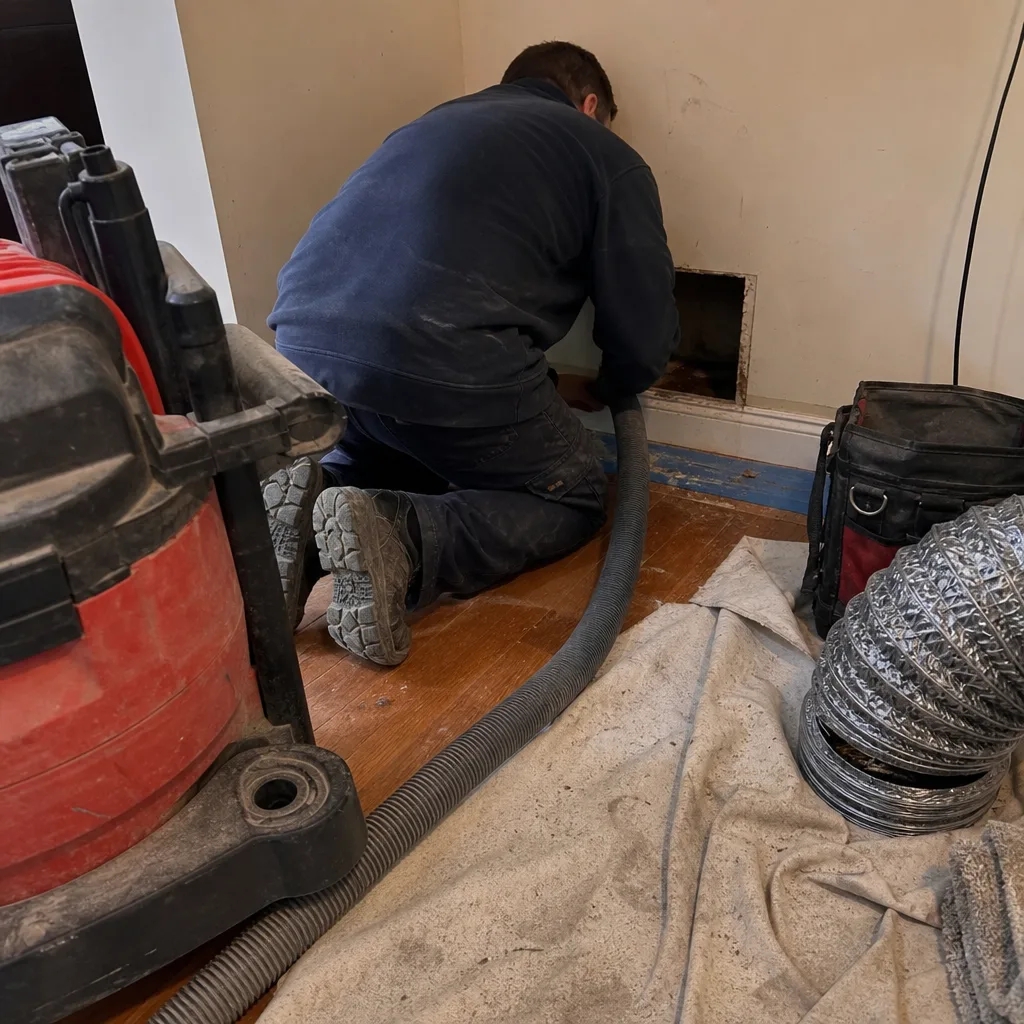 Before
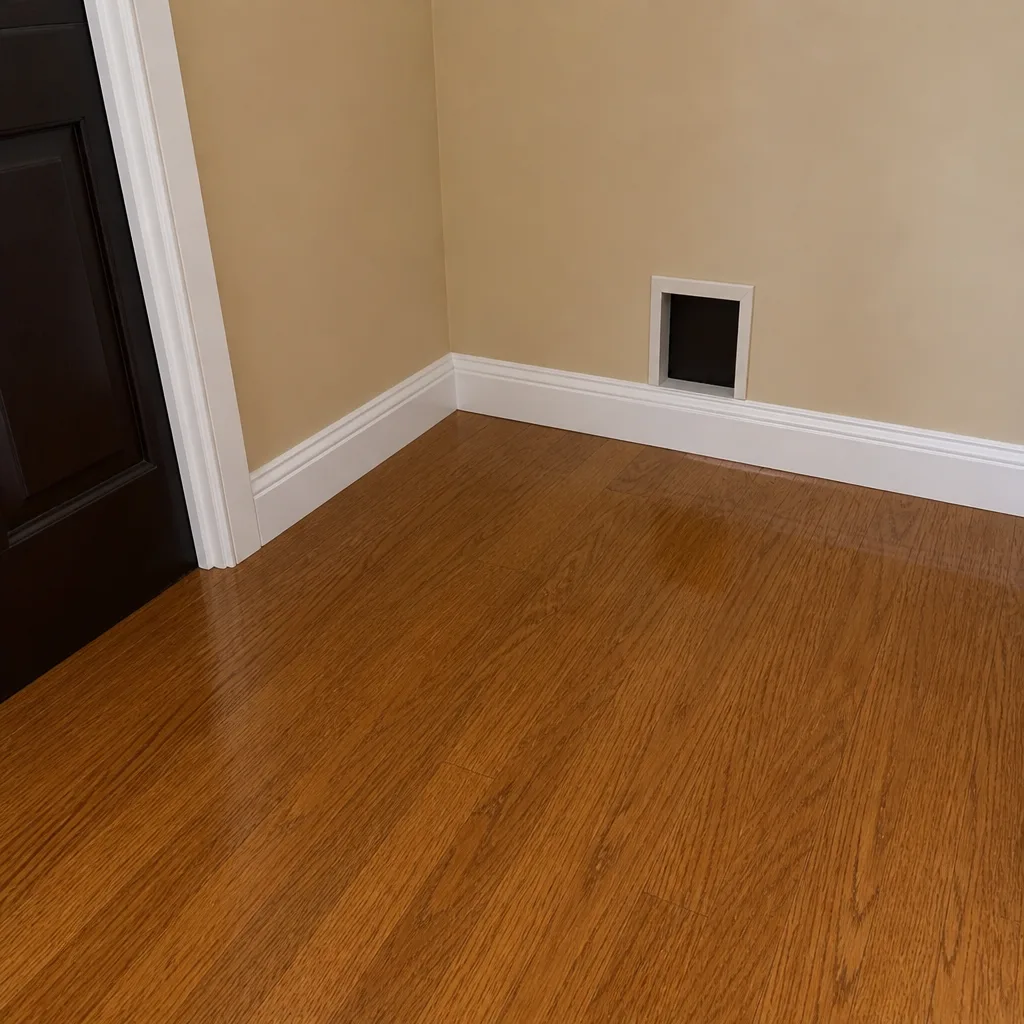 After