
Last updated November 22, 2026
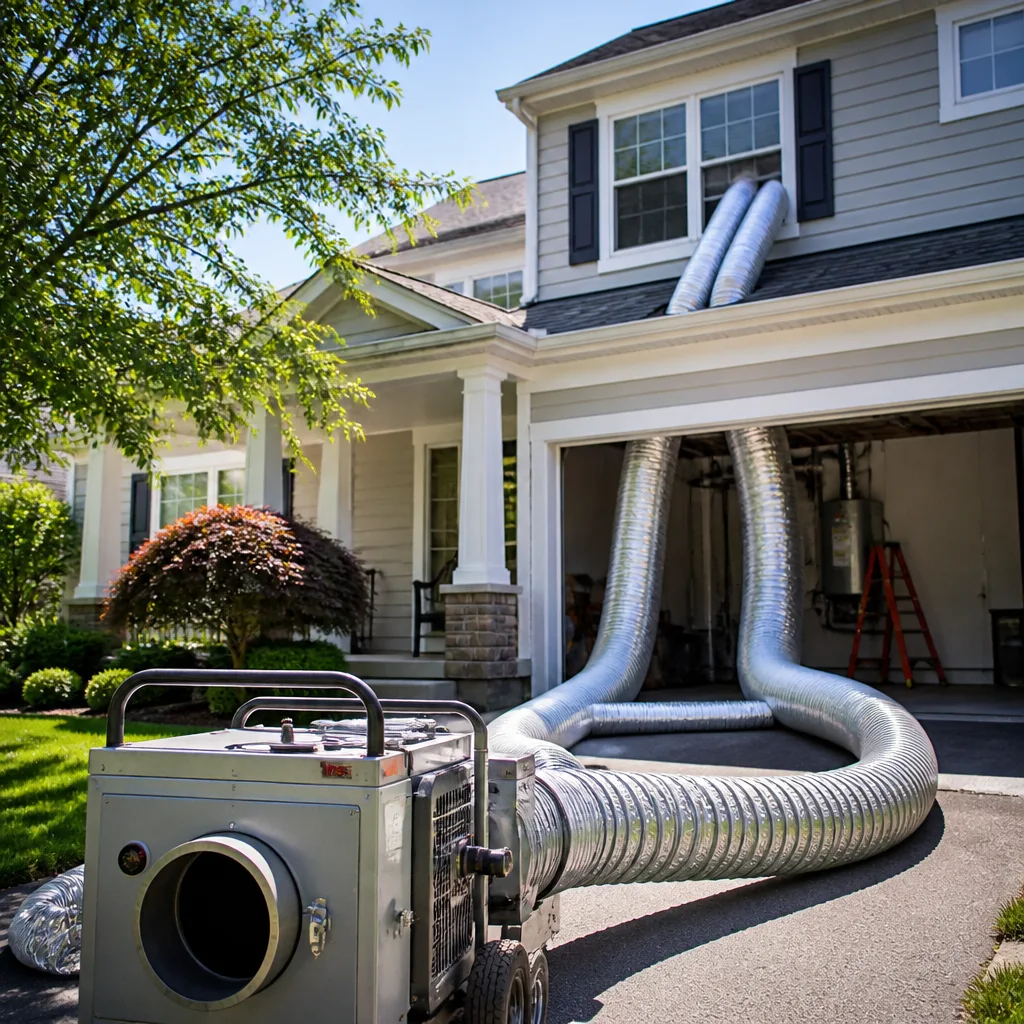 Whole-home duct cleaning
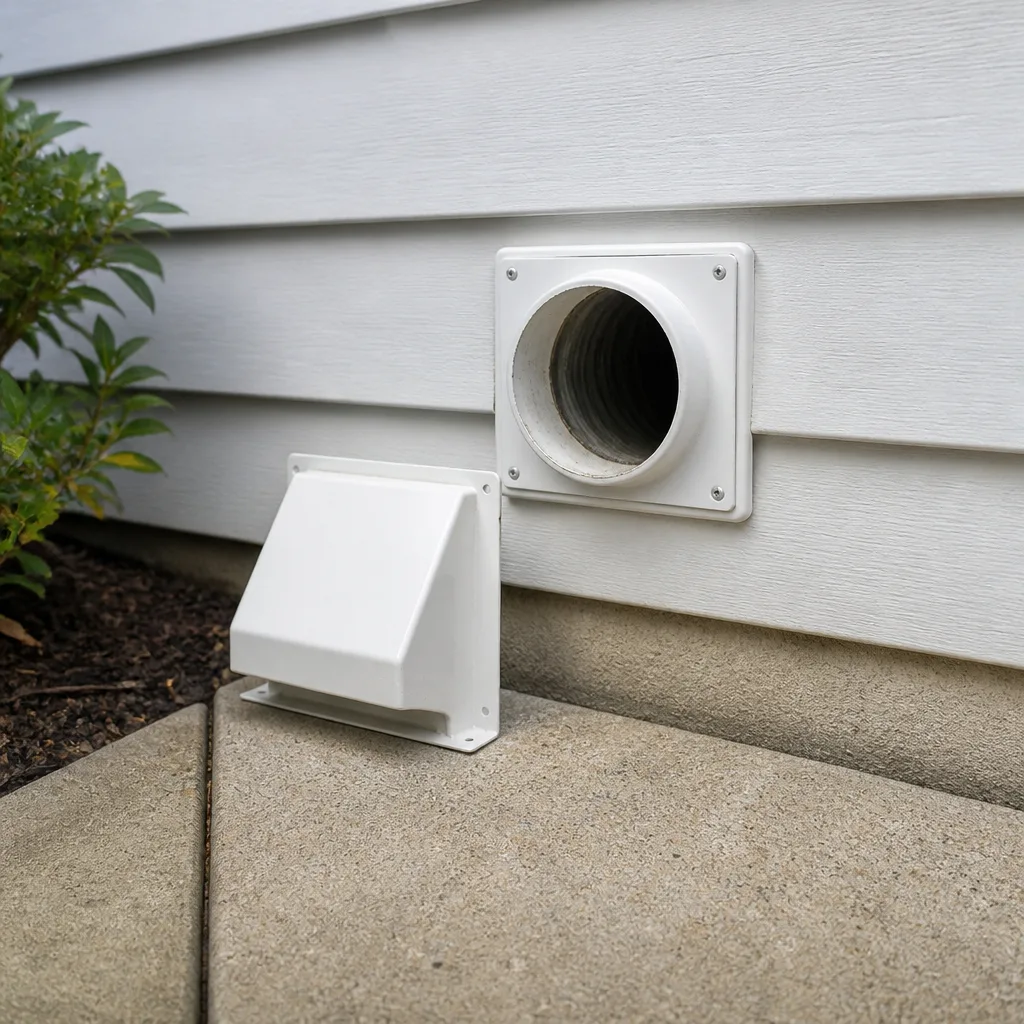 Dryer vent cleaning
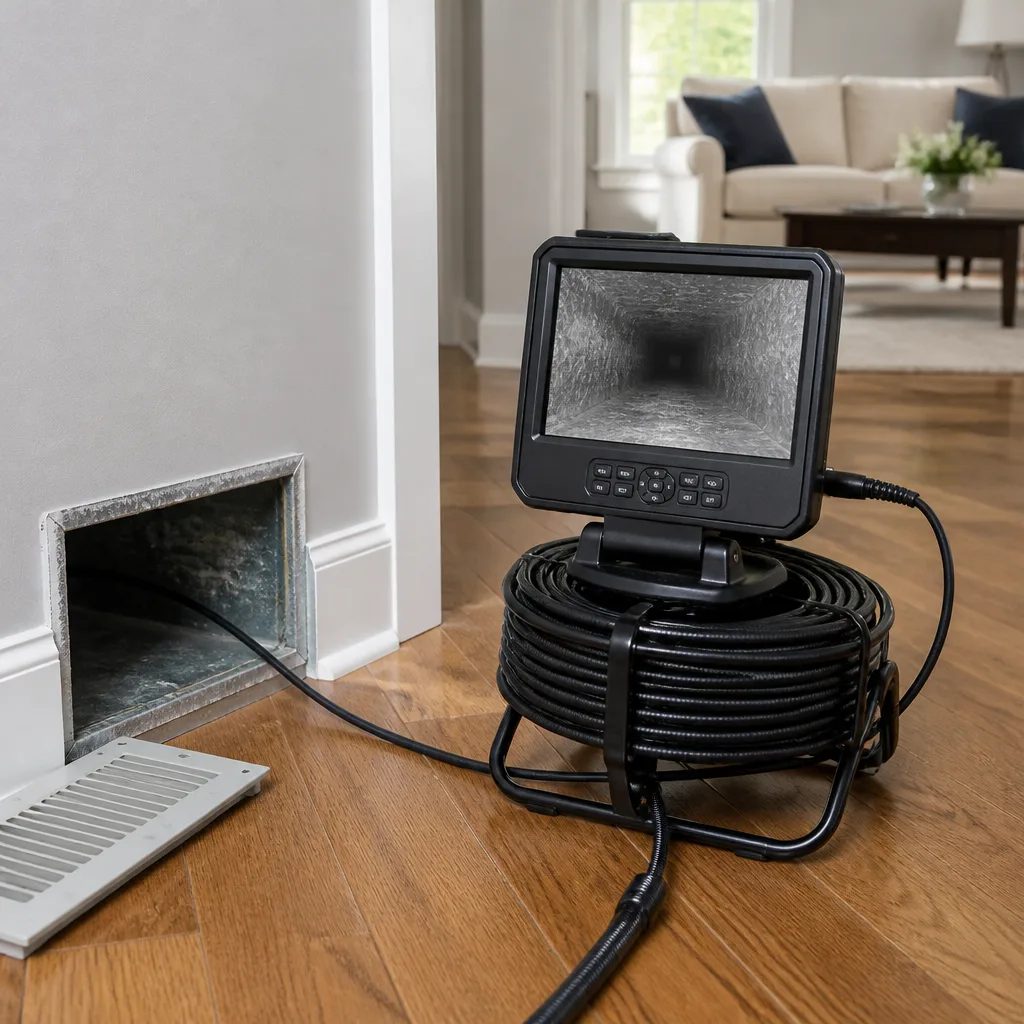 Camera inspection
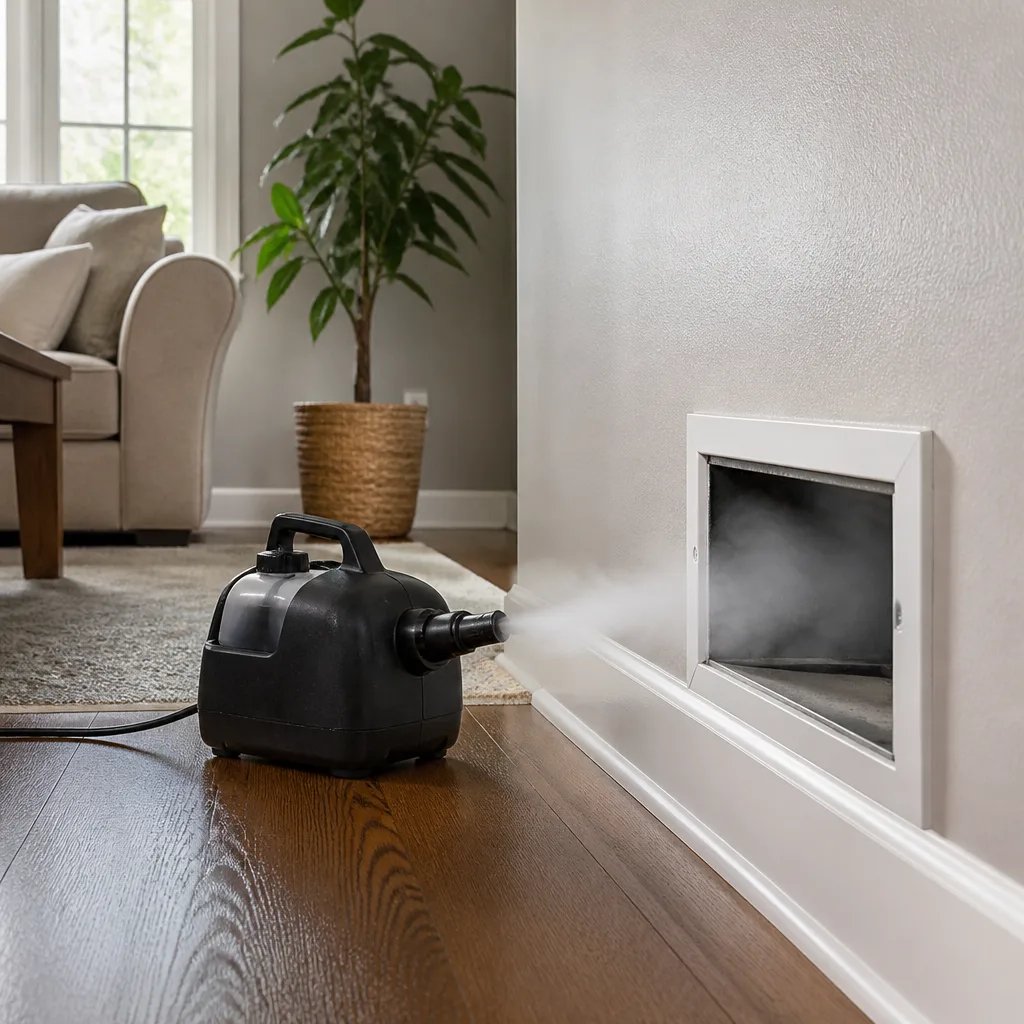 Sanitizing & deodorizing
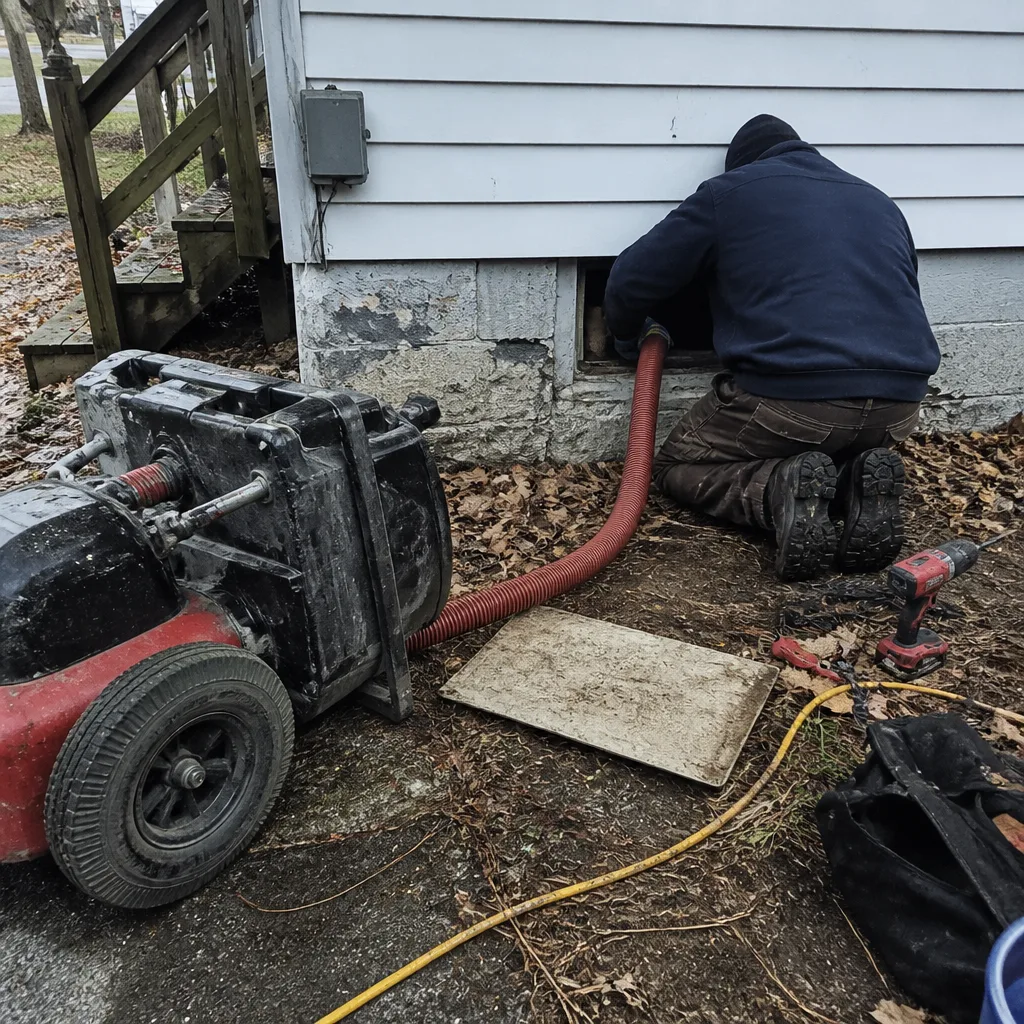
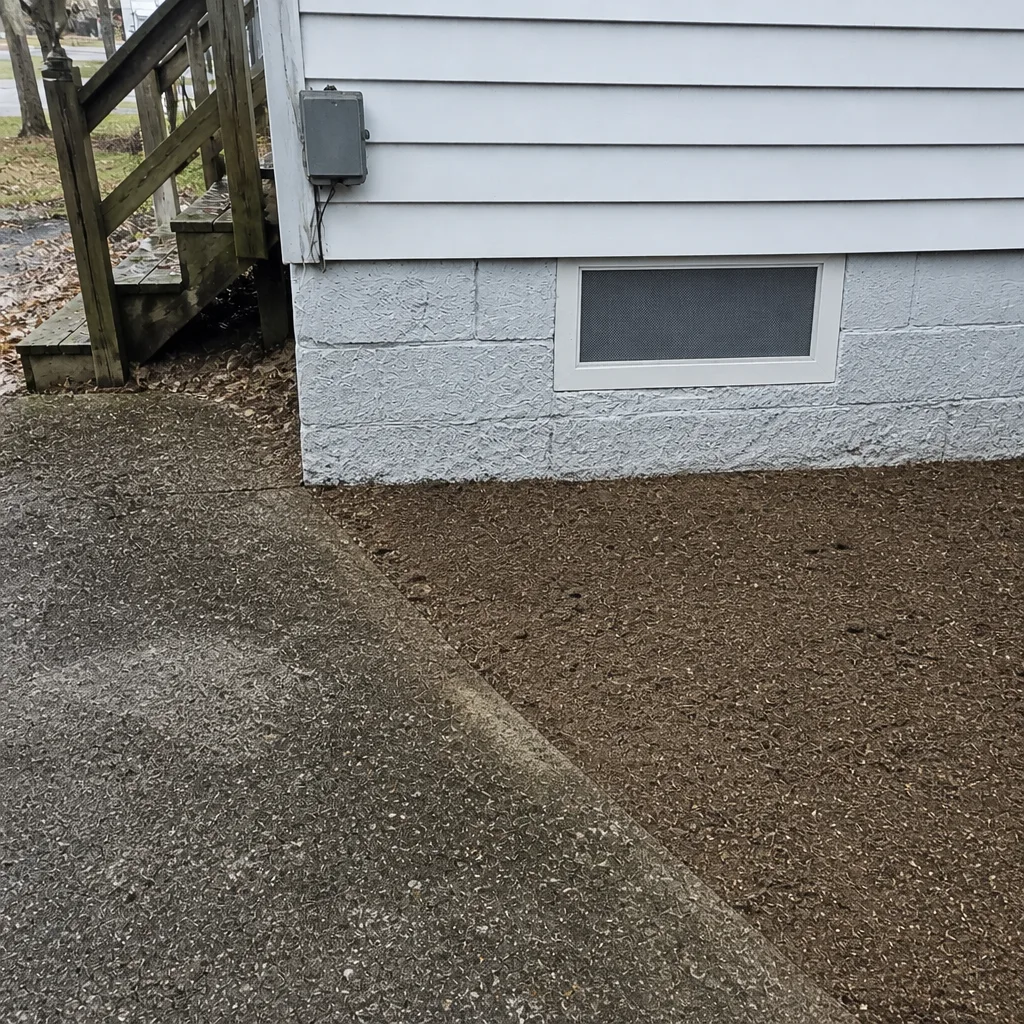
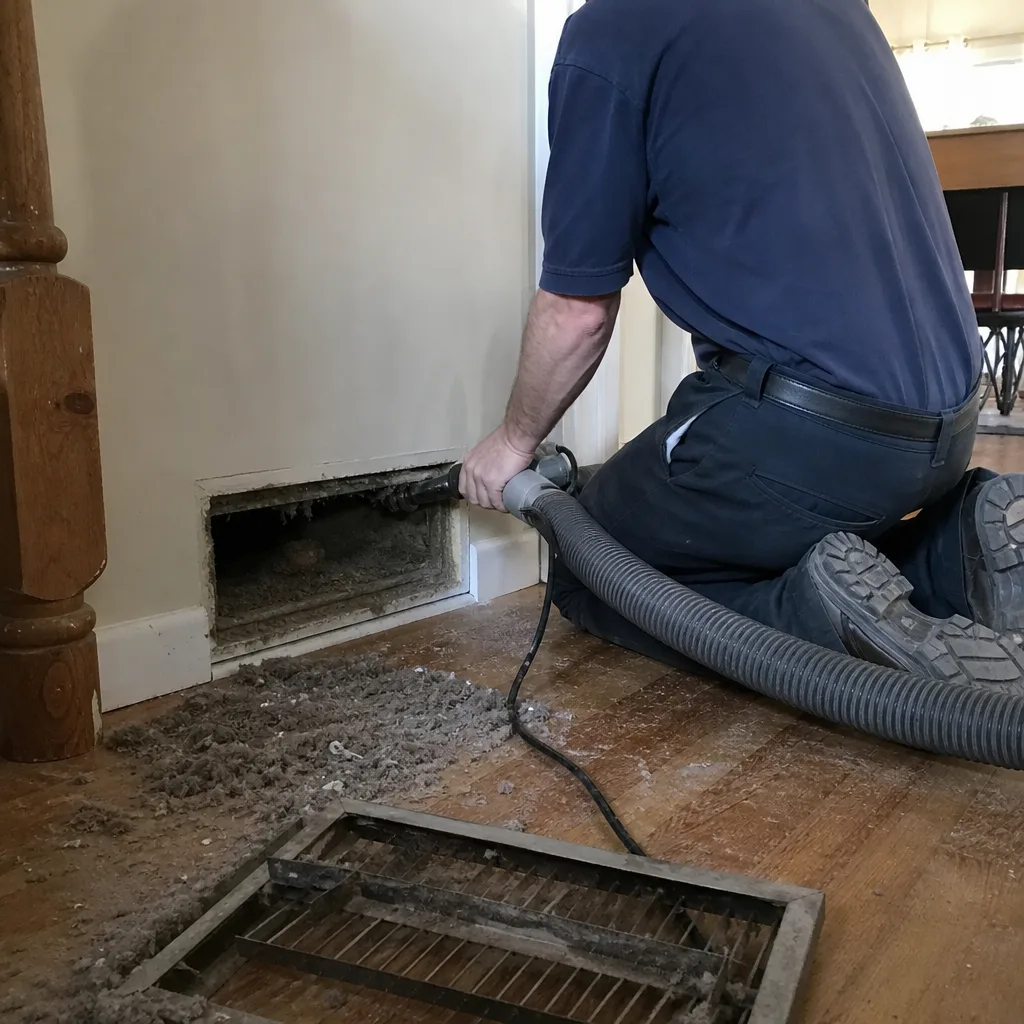
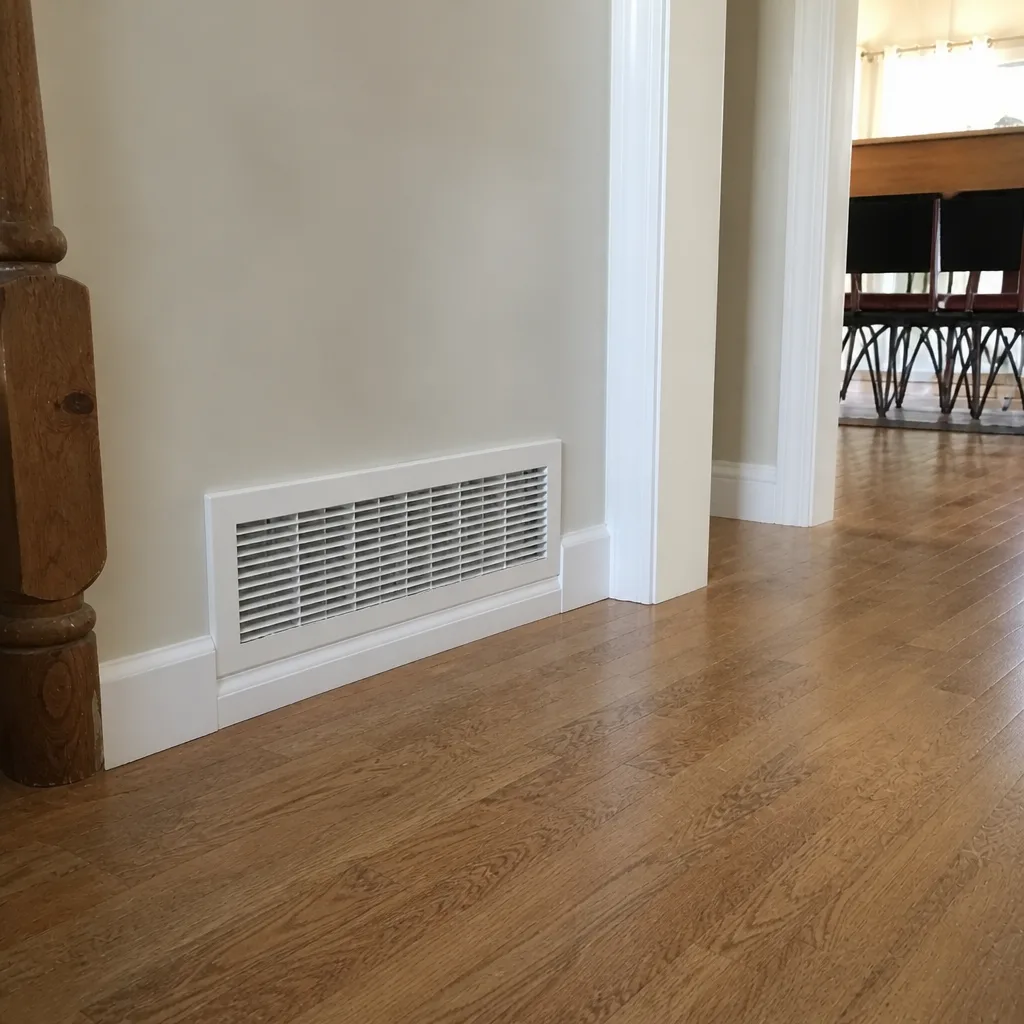
Whole-system duct and dryer vent check with before-and-after photos - you see exactly what came out of your vents
That "$99 whole-house special" is a bait ad - the real number appears once they are in your hallway, or the "clean" is a shop-vac at the register. We photograph the inside of your ducts before and after instead.
Air Duct Cleaning Permits, Codes & Inspections in Tremont, NY: What You Need to Know
No permit is required to clean your ducts, but the moment a technician seals a flex duct breach or replaces a duct section without the right credentials, the liability for that unpermitted work transfers to you as the property owner. That is the reality most homeowners in Tremont don’t discover until a building inspector, a co-op board, or an insurance adjuster starts asking questions. Cleaning itself sits outside the permit process. Modification, replacement, and remediation-related work can land squarely inside it. This guide explains where that line falls under New York rules, what to ask anyone who proposes duct repair alongside cleaning, and what documentation to keep afterward.
Quick Answer
Air duct cleaning alone does not require a permit in Tremont or anywhere else in New York. However, duct repair, duct replacement, new duct runs, and any work touching HVAC system components can require a mechanical permit under New York’s residential code, and mold remediation inside ductwork may fall under New York State Department of Labor regulations that require specific contractor credentials. Dryer vent work ties into fire code compliance. Before you agree to anything beyond cleaning, ask who is performing it, what license they hold, and whether a permit is being pulled.
Styles & brands we work with
- Whole-home duct cleaning
- Dryer vent cleaning
- Camera inspection
- Sanitizing & deodorizing
Table of Contents
- Cleaning vs. Modification: Where the Permit Line Actually Falls
- When Duct Repair or Replacement Triggers a Mechanical Permit
- Mold Inside Ductwork: When It Crosses Into Regulated Remediation
- Dryer Vent Cleaning and Fire Code Compliance
- What to Ask Any Contractor Who Proposes Duct Repair
- Co-ops, Rentals and Multi-Family Buildings in Tremont
- What Documentation to Keep After the Work
- Inspections: What They Look At and How to Prepare
Cleaning vs. Modification: Where the Permit Line Actually Falls
Cleaning removes debris from a duct that is otherwise left in its existing condition. Modification alters the duct or the system. Those two things sit in completely different regulatory categories, and confusing them is where homeowners get exposed.
In New York, the New York City Construction Codes govern residential and commercial construction, including mechanical systems, and the New York State Uniform Fire Prevention and Building Code applies more broadly across the state. Neither requires a permit to clean a duct. Both can require one when the duct is being repaired, replaced, rerouted, or when new components are added to the HVAC system. Some repairs are minor enough to be classified as ordinary maintenance and go permit-free. Others don’t, and the classification depends on the scope of the work as described in the code, not on what the technician says.
Every Tremont homeowner faces the same practical question before the technician starts: what exactly is being changed, and does that change fall under ordinary maintenance or under alteration? A few examples make the split clearer:
- Cleaning. Mechanical agitation and vacuum extraction inside existing ducts. No permit. No alteration.
- Sealing small breaches. Sealing a joint, taping a gap, or closing a small flex duct tear is usually treated as maintenance.
- Replacing a duct section. Removing and installing ductwork in a run, especially when the layout changes, is generally an alteration and can require a mechanical permit.
- Adding a new run. Extending ductwork to a new room or a new register is new installation and normally requires a permit.
- Replacing the air handler or a thermostat. Not duct work at all, but often bundled into a quote and it triggers its own permit question.
If any part of what you’re agreeing to touches the system rather than just cleaning it, ask the technician to put in writing whether the step is maintenance or alteration, and who is pulling the permit if one is needed. Every legitimate answer exists. Contractors who perform alteration work without pulling a permit are the ones that leave the property owner responsible for what was built. If you’re only scheduling air duct cleaning, that conversation doesn’t apply. The moment repair or sealing is added, it does.
When Duct Repair or Replacement Triggers a Mechanical Permit
Duct repair and replacement work may require a mechanical permit under the New York City Construction Codes, which govern residential and commercial mechanical work. The determining factor is whether the work is a repair within ordinary maintenance or an alteration of the system. Cleaning a duct surface, sanitizing it, and tightening an existing joint are not alterations. Cutting into a duct to install a new tap, replacing a full length of duct, or rerouting a run is.
The permit itself is what ties the alteration to an inspection. An inspector checks that the work meets the code that authorizes it: materials, support, sealing at joints, clearances, and connection integrity. Skipping the permit doesn’t skip the code. It just skips the inspection that would confirm the code was met, and it strips the paper trail the next owner, the building department, or your insurer will eventually want to see.
This matters in Tremont because a large share of the housing stock is older, and older ductwork has usually been added to or modified at some point. When we inspect a system and find a flex duct splice that isn’t sealed properly, or a run that doesn’t match what the original mechanical drawings show, the honest answer is to identify the breach, note what correcting it involves, and let the homeowner decide. Cleaning is one step. Correcting a system alteration is another, and the two services belong in separate agreements when a permit is in play.
The safest sequence for any homeowner considering duct repair alongside cleaning:
- Ask what the technician intends to repair, and in what way the duct will be changed.
- Ask whether that change is maintenance or an alteration under the applicable code.
- If it’s an alteration, ask who is pulling the permit and provide your name, address, and unit number.
- Get the scope in writing before any work begins.
- Save the permit number and inspection result with the property records.
You don’t have to know the codes to ask those questions. The contractor’s answers tell you whether they do.
Mold Inside Ductwork: When It Crosses Into Regulated Remediation
Mold growth inside ductwork sits on a different regulatory layer again. The New York State Department of Labor administers mold remediation rules for the state, including requirements around training, licensure for certain remediation work, and specific practices for containment and cleanup. Cleaning that removes ordinary dust and debris is not the same job as remediation that removes established mold growth, and the credentials required can differ.
That distinction matters because HVAC systems are a common place for microbial growth to form. Cooling coils, condensate pans, and the humid interior of ducts during the warmer months create the conditions mold needs. When a technician finds visible growth beyond what you would consider surface dust, the honest response is not to vacuum it and spray a sanitizer and call it clean. It’s to identify the extent, decide whether the job qualifies as remediation under New York State Department of Labor rules, and confirm that whoever performs that remediation is credentialed for it.
Our air duct cleaning Tremont service is cleaning and sanitizing: mechanical agitation, high-powered extraction, and a sanitizing step that treats microbial growth and odor at the surface. When we find significant growth, we tell the homeowner plainly, explain that remediation rules may apply, and let them decide how to proceed. Sanitizing a system that looks clean and being confident the system is actually clean are two different standards, and Tremont homeowners deserve to know which one they’re paying for.
If you’re being told the growth is severe enough to require remediation, ask three things:
- What is the credentialed classification of the person performing the work?
- Will containment be used during removal so the growth doesn’t migrate into the living space?
- Will the system be verified after remediation before it’s put back into service?
Abatement Technologies air filtration equipment exists precisely for the containment side of this work, and it’s the same class of equipment used in professional remediation. Bringing that level of airborne particulate control to a residential job is a matter of equipment and method, not marketing.
Dryer Vent Cleaning and Fire Code Compliance
Dryer vent cleaning intersects with the fire code in a way that duct cleaning doesn’t. The New York State Uniform Fire Prevention and Building Code, and the New York City Fire Code for properties in the city, regulate dryer vent installation and maintenance because lint accumulation is a recognized fire hazard. Those codes don’t require a permit to clean a vent, but they do require the vent to be installed in a specific way, and cleaning work that discovers a code problem is an opportunity to document what was found.
What to know in Tremont specifically:
- Installation matters as much as cleaning. Vent material, length of run, transition fitting type, and termination outside the building envelope are all code-regulated. A dry dryer vent cleaning on a vent installed incorrectly may still leave the property out of compliance.
- Documentation is your evidence. Keep the service invoice showing the date, the technician’s name or company, and the work performed. If the building department or an insurer ever asks, that paperwork answers the question.
- Cleaning frequency should follow the code’s intent, not a sales pitch. The fire code assumes lint is managed, and how often that needs to happen depends on how much laundry the household does, the length and path of the vent, and the number of elbows in the run.
- Transition duct tape is not a fix. Foil tape and elbows degrade, and finding a compromised transition fitting during cleaning is common in older Tremont buildings. Recommend replacing it, in writing, and note it in the invoice.
For property managers, the value of a documented dryer vent cleaning record is straightforward: it’s the difference between a compliance question answered in one phone call and a compliance question that becomes an investigation.
What to Ask Any Contractor Who Proposes Duct Repair
Most homeowners don’t know what to ask, which is exactly why unlicensed contractors get away with offering duct repair alongside cleaning. The right questions are basic and answerable, and if the contractor can’t answer them cleanly, that’s the answer.
- “What is your license and who issued it?” Mechanical contractors in New York hold licenses issued at the city or state level, and the number can be verified with the issuing authority. Ask for the number in writing and check it.
- “Are you pulling a permit for this work, and what is the permit number?” If a permit is required, the contractor who is pulling it can tell you the number once it’s issued. If the answer is “you don’t need one for this,” ask them to put that in writing with a reference to the code section.
- “Are you insured for the work you’re doing, and can I have a certificate of insurance?” Ask for the certificate, not the verbal assurance.
- “Who is performing the repair, and who is performing the cleaning?” If those are different companies or different people, the agreement should say so.
- “What will the finished work look like, and how will I know it was done?” Before-and-after photos of the ducts on your property are the clearest answer. Not stock photos of anyone’s ducts. Yours.
- “What’s the total price for the full scope, in writing?” One flat price per system, agreed before work starts. No per-vent pricing, no escalating coupon price.
Our technicians have up to 8 years of experience, and in that time the pattern we’ve seen with unpermitted duct alteration is consistent: the homeowner didn’t know to ask, and the contractor didn’t volunteer. That’s a failure of the conversation, not the work. A few direct questions close the gap. If your contractor also handles HVAC cleaning, ask whether the work on the coil and cabinet is maintenance or alteration under the same standard.
Co-ops, Rentals and Multi-Family Buildings in Tremont
If you live in a co-op, a condo, or a rental in Tremont, add building management notification to your list before any duct work begins. Most co-op and condo bylaws require written approval for work that alters the interior of the unit, and duct work can sit inside that definition. Notifying the building isn’t a regulatory requirement from the city; it’s a contractual requirement from your building, and the consequences are just as real if it’s skipped.
The practical sequence on a multi-family property:
- Read the alteration clause in your proprietary lease or house rules before scheduling the work.
- Submit a written request to building management or the co-op board for approval of the scope you intend.
- Get approval in writing even if the work is cleaning only, and even if the answer is “cleaning doesn’t need approval.” A one-line email protects you.
- Check whether the building requires the contractor to provide a certificate of insurance naming the building as additional insured before entering the property.
- Schedule so that a building representative, if required, can be present.
- Provide the building with a copy of the invoice and the scope after the work is completed.
Multi-family buildings in Tremont also tend to have shared mechanical chases and systems that serve multiple units. Cleaning one unit’s ducts while the ducts of an adjacent unit are open can create cross-migration of dust unless containment is used. That’s an equipment and method question, and the answer is proper filtration and negative pressure during the job, not masking tape over the registers. Abatement Technologies HEPA filtration equipment on a residential job isn’t a luxury. It’s the minimum standard for not making the neighbor’s unit worse.
What Documentation to Keep After the Work
Documentation is the only evidence that the work happened correctly. It matters for a resale, a refinance, an insurance claim, a co-op board dispute, or a building department question that lands months after the technician has left. Keep four categories of records:
- The written estimate. The final invoice should match it, line item for line item. If the price changed, the change should be in writing before work begins.
- The before-and-after photos. Photos of your ducts, on your property, on the day of the job. Not a stock photo, not a generic photo of the equipment.
- The service invoice. Date, address, unit number, scope of work, full price, and the name of the company that performed the work.
- The permit and inspection record. If a permit was pulled, keep the permit number and the inspection result. If no permit was pulled, keep a written note from the contractor stating that the work is classified as maintenance under the applicable code.
For a dryer vent cleaning, add the vent condition note. For a mold remediation that crossed into regulated territory, add the containment documentation. For a co-op, add the board’s written approval. The records take minutes to assemble and save hours of confusion later. Rotobrush and Nikro systems generate photographic evidence as part of the job standard, which is why we’re able to hand a homeowner their own before-and-after photos rather than a brochure image.
If you don’t have those records from prior work on the property, that itself is a reason to schedule a first professional cleaning and start a proper file. A system that’s never been professionally cleaned is the first thing we look for when we arrive.
Inspections: What They Look At and How to Prepare
Inspections apply to permitted work, not to routine cleaning. If you’ve pulled a mechanical permit for duct alteration or replacement, the inspection that follows verifies the work against the code. Knowing what the inspector looks at makes preparation straightforward, whether you’re the homeowner or the contractor.
What an inspector typically checks on duct work:
- Materials and ratings. Duct material and any connected components must match what the code allows for the application.
- Support and clearances. Duct support intervals and clearances from combustibles must be met.
- Sealing at joints. The mastic or tape used at joints and connections has to be code-approved and properly applied.
- Connection integrity. Flex duct needs to be fully extended, not sagging, not over-compressed, and properly attached at each fitting.
- Access for future maintenance. Access panels and cleanouts need to be positioned where they can actually be used.
- Ventilation discharge. Where ducts terminate outside the building, the termination has to comply.
For the homeowner, preparing for the inspection is mostly about being reachable. Make sure the contractor has your correct unit number, that the building knows an inspector is coming, and that any access the inspector needs is arranged. If a re-inspection is scheduled, don’t assume the contractor has taken care of it. Confirm.
If the inspection fails, the correction is on the contractor who pulled the permit. That’s the entire point of the permit. The property owner who skipped the permit is the one without a contractor on the hook for a failed result. That flip is what makes the licensing questions worth asking before the work starts.
Common Mistakes to Avoid
- Assuming cleaning needs a permit, or that it doesn’t. Cleaning doesn’t need one. Repair and replacement sometimes do. Treat that as a question for the contractor, not an assumption. The wrong assumption in either direction costs time or protection.
- Accepting verbal-only scope for duct repair. Any amount of repair work added to a cleaning job should be in the written estimate with the specific duct affected. Verbal agreements have no record when they matter.
- Skipping building management notification in a co-op or condo. A Tremont co-op board that discovers unapproved duct work after the fact can require remediation at your cost, even if the work was excellent. Notify in writing first, every time.
- Treating mold inside a duct as a cleaning problem. Mold growth that crosses into regulated remediation territory needs the right credentials under New York State Department of Labor rules. Cleaning and sanitizing a surface layer of growth is not remediation of significant growth.
- Discarding the dryer vent cleaning invoice. The invoice is your compliance evidence. Keep it with the property records the same way you keep the boiler service history.
- Hiring on price alone. A coupon-priced clean that hides a repair in the invoice is the standard bait-and-switch in this trade. One flat price per system, agreed in writing, is the answer to every quote, and the reason a per-vent price is a warning sign.
- Not asking for before-and-after photos. If the technician can’t show you photos of your own ducts, ask why. Guardsman-grade surface protection of finished spaces is part of the job standard. So is photographic evidence.
See the difference
 Before
 After
 Before
 After
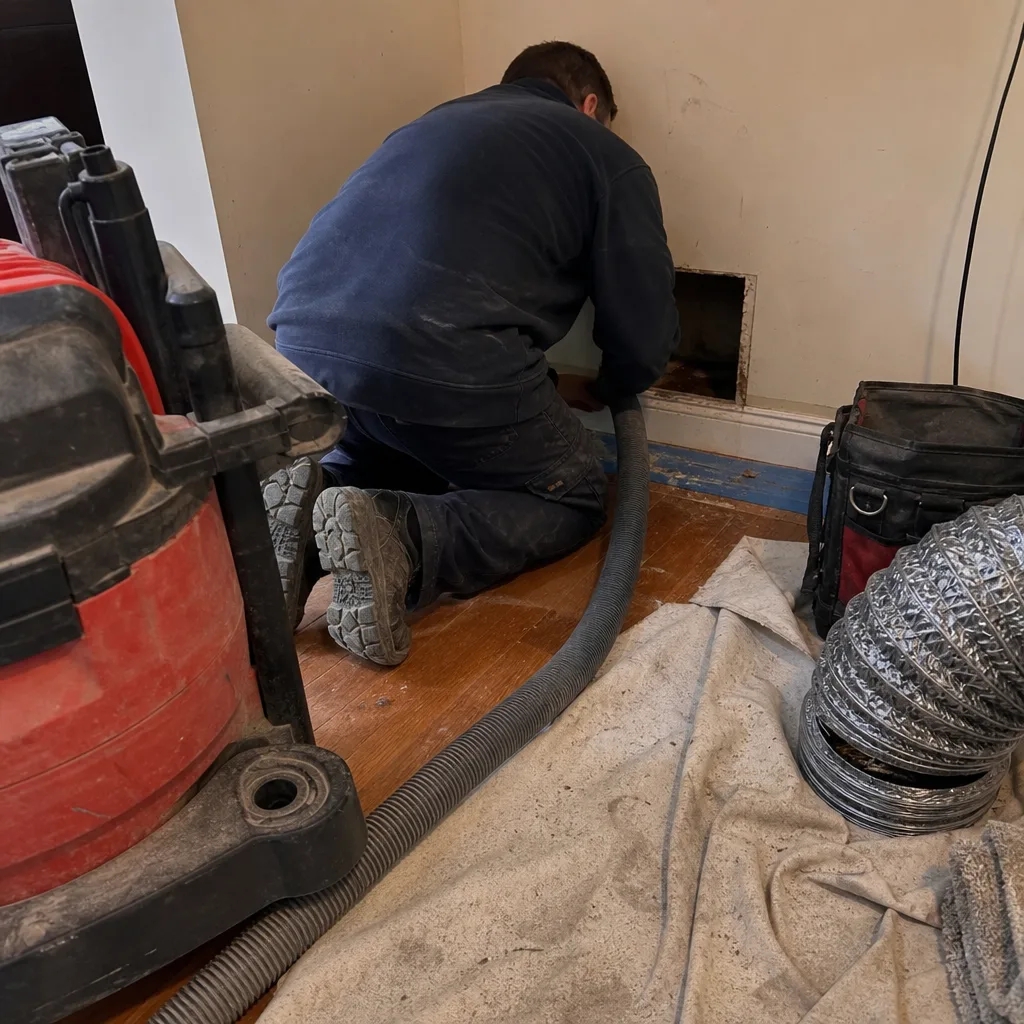 Before
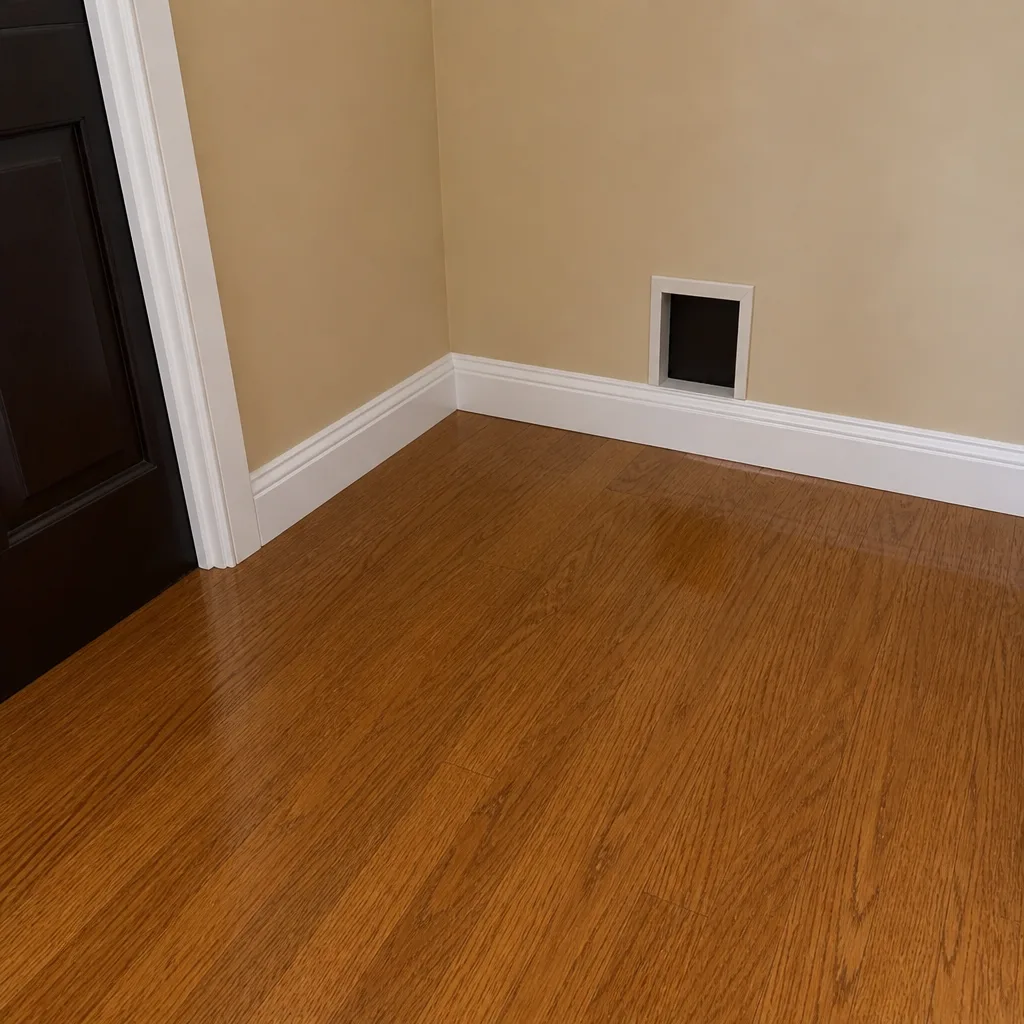 After
When to Call a Professional
Call a professional when you find visible mold growth in a duct, when a dryer vent hasn’t been cleaned in a long time and the household runs frequent loads, when you smell musty air at a register with the system running, or when you’re considering any duct repair or replacement and want the permit question answered correctly from the start. The same applies when a system has never been professionally cleaned, or when a previous contractor’s work left no documentation behind. Minor fixes exist, but cutting into ductwork, replacing a duct section, or approaching established mold growth inside a duct are not homeowner projects. Mechanical agitation and high-powered extraction performed with proper containment are the difference between cleaning that solves a problem and cleaning that spreads it. Air Duct Cleaning Tremont offers free estimates in Tremont. Call (833) 468-5768. We answer 24/7. Fast dispatch from 7am to 7pm, Sunday through Friday.
Frequently Asked Questions
No. Cleaning air ducts is not a permitted activity under New York’s residential code, and no inspection applies to the cleaning itself. The permit question appears only when the work crosses from cleaning into repair, replacement, or alteration of the duct system. If a technician recommends anything beyond cleaning, ask for the scope in writing and whether a mechanical permit is required. Call (833) 468-5768 for a free estimate on cleaning and a clear answer on scope.
It depends on the scope. Sealing a joint, tightening a fitting, or repairing a small flex duct tear is typically treated as ordinary maintenance. Replacing a duct section, rerouting a run, or adding a new tap or branch generally qualifies as an alteration and can require a mechanical permit under the New York City Construction Codes. The classification should be confirmed in writing by the contractor performing the work before any repair starts. When in doubt, ask your city’s building department. Call (833) 468-5768 if you want to talk through what your system needs.
Yes. Mold remediation is administered under New York State Department of Labor rules, and specific remediation work may require credentialed contractors, containment practices, and post-remediation verification. Cleaning and sanitizing a surface layer of growth is not the same job as removing established mold growth from inside a duct system. When significant growth is present, ask the contractor about credentials, containment, and verification. Call (833) 468-5768 to get an honest read on whether your system needs cleaning or remediation.
The New York State Uniform Fire Prevention and Building Code and the New York City Fire Code regulate dryer vent installation and maintenance because lint accumulation is a recognized fire hazard. Cleaning the vent doesn’t require a permit, but the vent itself must be installed per code, and you should keep documentation of every cleaning. If cleaning finds an incorrect installation, the invoice should note it. Call (833) 468-5768 for a dryer vent cleaning estimate.
Usually yes. Most co-op and condo bylaws require written approval for work that alters the interior of the unit, and duct work falls within that definition in many buildings. Cleaning may or may not require approval depending on your building. Get the answer in writing either way, and confirm whether the building requires a certificate of insurance from the contractor before entering the property. Call (833) 468-5768 for an estimate; we can work with building management on the access side.
Pricing for a full-system clean depends on the size of the system, the number of registers, the condition of the ducts, and whether sanitizing or repair is included. It’s quoted as one flat price per system, agreed before work starts, with the written estimate setting the final price. Per-vent pricing and teaser coupon figures are how the bait-and-switch starts. Ask for a written whole-system quote with before-and-after photos included. Call (833) 468-5768 for an exact quote. Estimates are free.
Before-and-after photos of your own ducts, a written scope that matches the final invoice, and a permit and inspection record if one applied. Those three things are the answer. A contractor who can produce them is a contractor who performed the work. A contractor who can’t should not have been on the job. Call (833) 468-5768 to schedule a free estimate and walk through the scope before you commit.
The Bottom Line
Cleaning your ducts doesn’t need a permit. Duct repair, duct replacement, and any alteration to the system may. Mold inside ductwork that crosses into regulated remediation territory falls under New York State Department of Labor rules. Dryer vent work sits under the fire code, where documentation is the compliance evidence. Co-op and rental buildings in Tremont add a building notification layer on top of all of it. None of this is difficult to navigate if you know what to ask, and all of it becomes a serious problem when it isn’t documented. One flat price per system, before-and-after photos of your own ducts, and a written scope before work begins are the standard to hold every contractor to. The work is worth doing correctly.
Call (833) 468-5768. We answer 24/7. Fast dispatch from 7am to 7pm, Sunday through Friday. Free estimates in Tremont. We’ll walk you through your system, tell you honestly what it needs, and put the scope in writing before any work starts.
Written by the team at Air Duct Cleaning Tremont.