
Last updated November 22, 2026
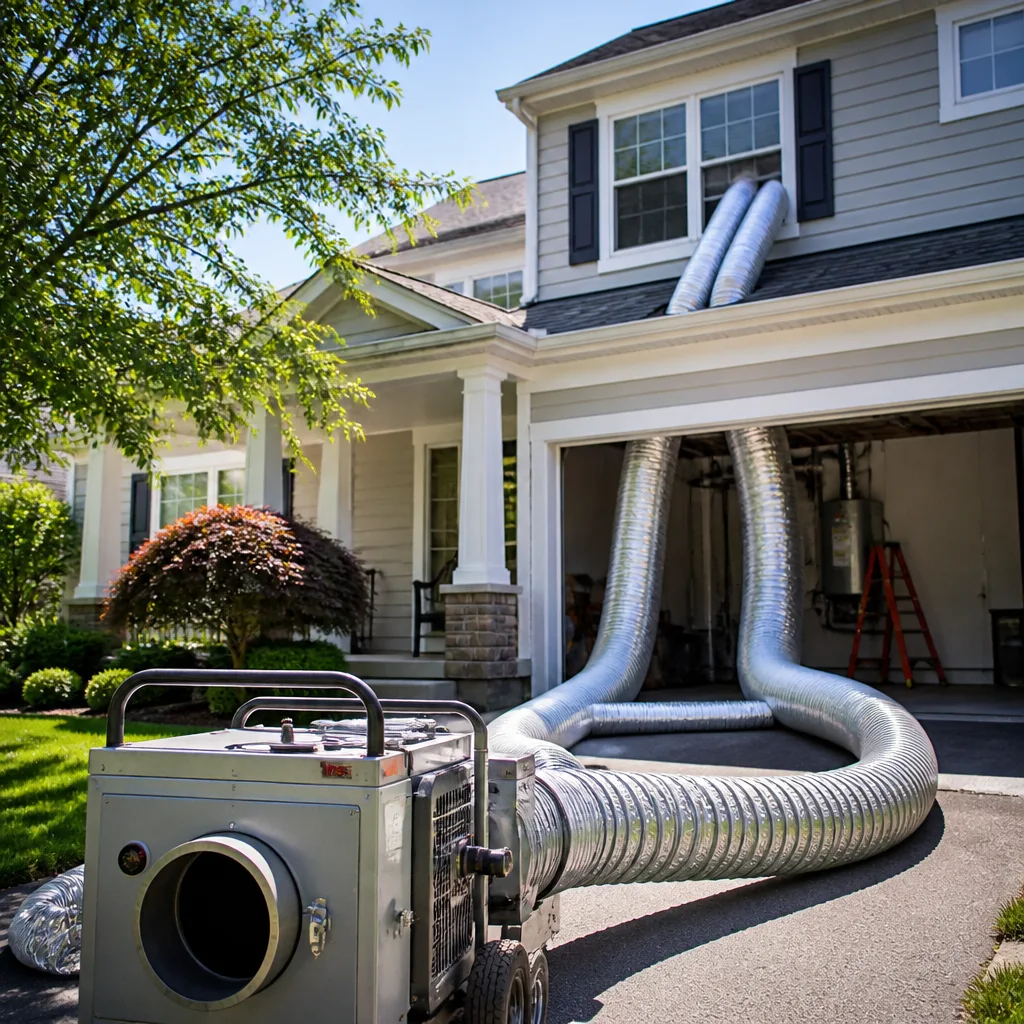 Whole-home duct cleaning
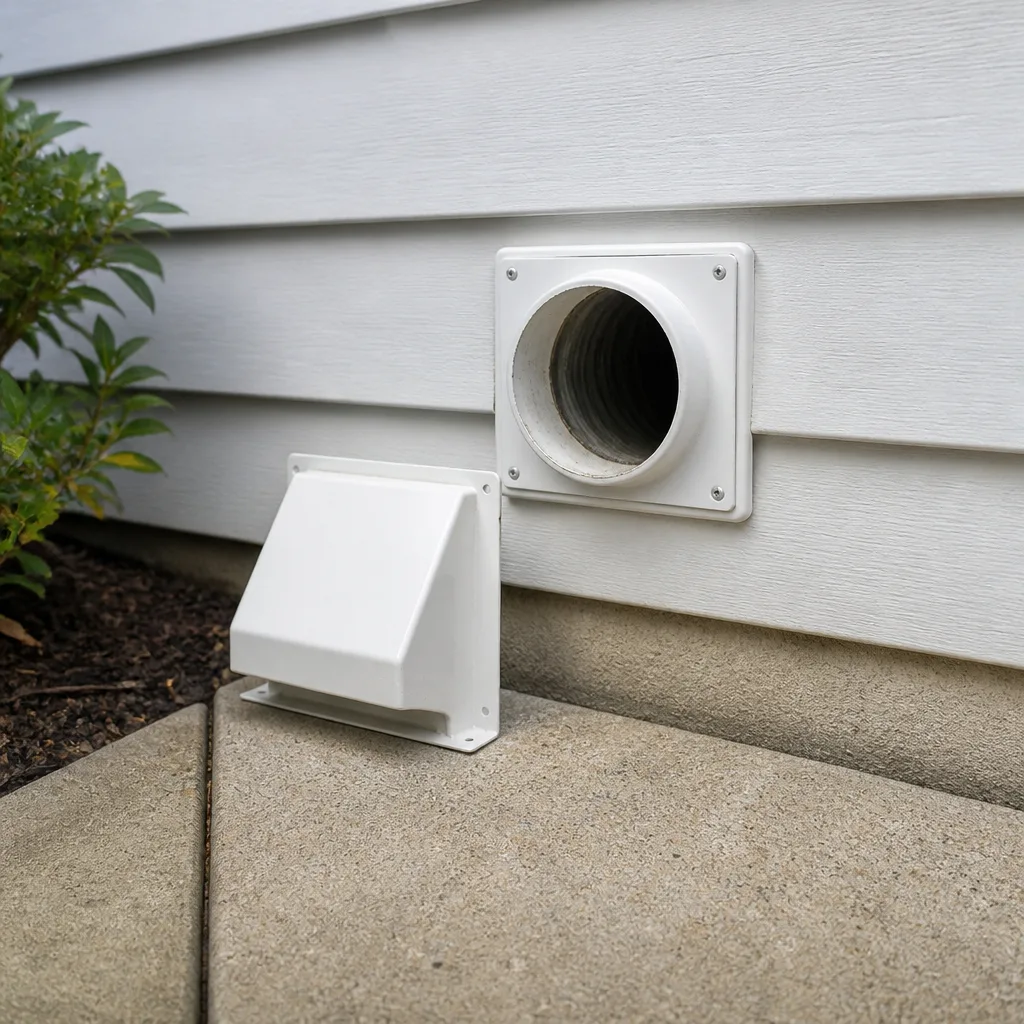 Dryer vent cleaning
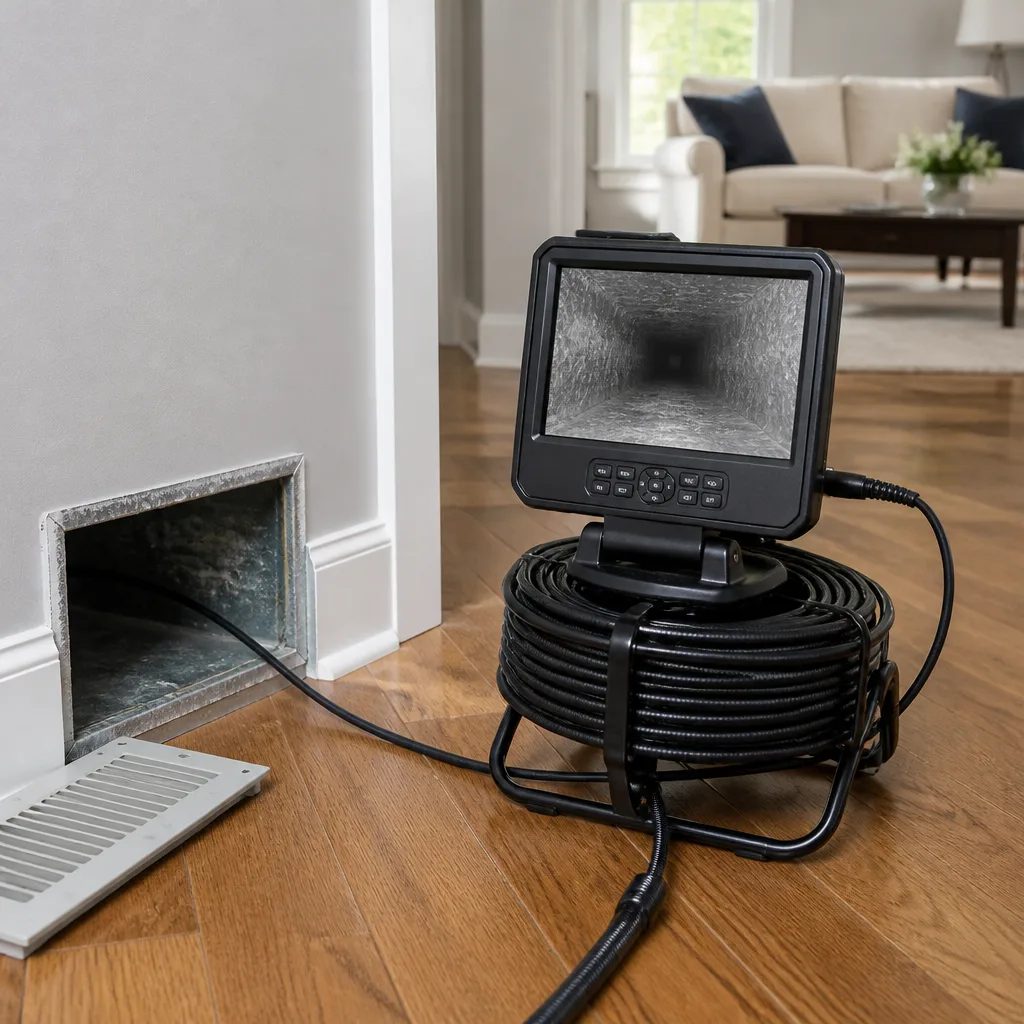 Camera inspection
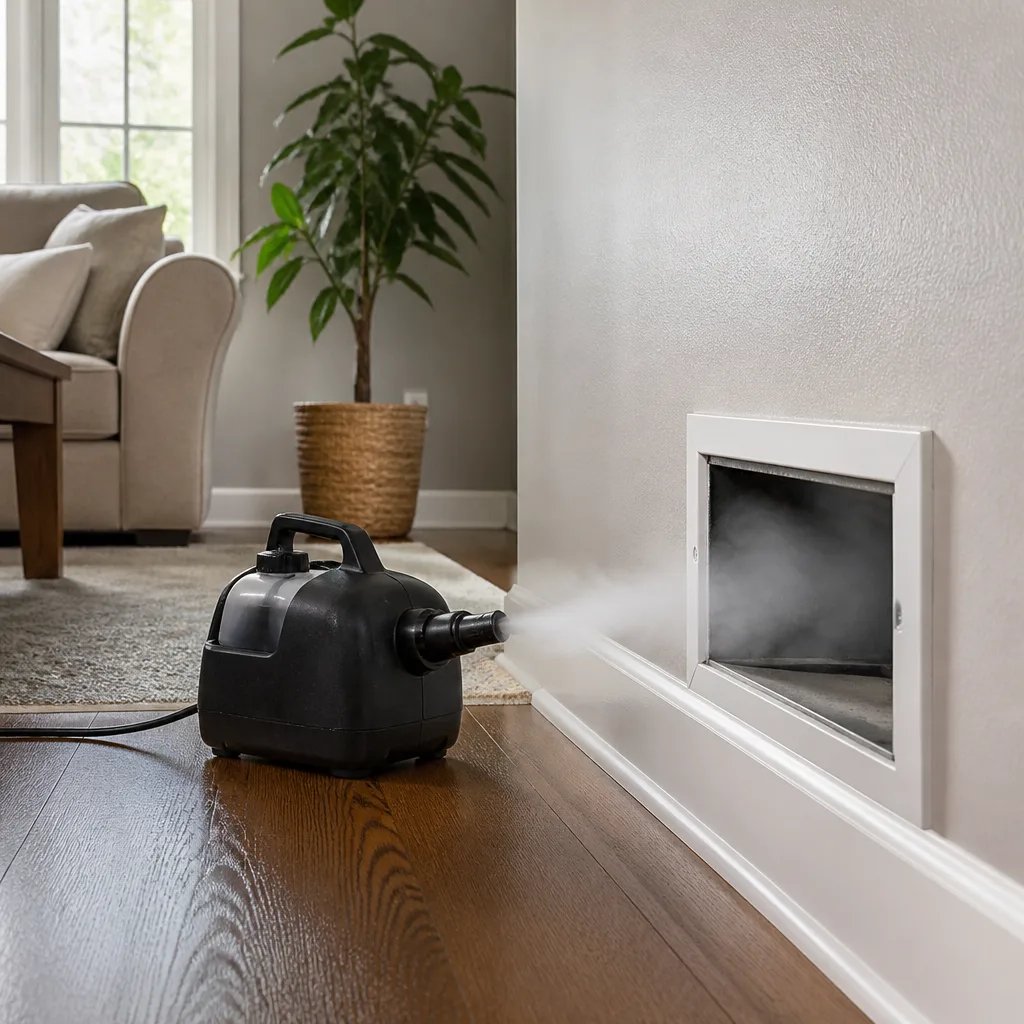 Sanitizing & deodorizing
Whole-system duct and dryer vent check with before-and-after photos - you see exactly what came out of your vents
That "$99 whole-house special" is a bait ad - the real number appears once they are in your hallway, or the "clean" is a shop-vac at the register. We photograph the inside of your ducts before and after instead.
Air Duct Cleaning Maintenance Checklist for Tremont Homeowners
Changing your filter on schedule while ignoring the return grille behind it is like mopping around a leak. The visible part looks fine, and the real problem keeps building out of sight. Most homeowners treat duct maintenance as a cleaning schedule: wait a year, book a cleaning, repeat. That approach misses the point. A useful checklist is a monitoring system. It tells you when conditions inside your ducts are changing, which gives you time to act before those changes turn into an expensive problem. This guide walks through the monthly, quarterly, and annual checkpoints professionals actually use, what you can safely inspect yourself, and what needs a camera or a pressure reading. Everything here is written for Tremont homes and Tremont systems.
Styles & brands we work with
- Whole-home duct cleaning
- Dryer vent cleaning
- Camera inspection
- Sanitizing & deodorizing
Quick Answer
A workable air duct maintenance checklist for Tremont homeowners has three layers: monthly filter and register checks you do yourself, quarterly condition checks on airflow and odors, and an annual professional assessment with a camera and pressure reading. The goal isn’t constant cleaning. It’s catching the change in dust loading, airflow, or smell that signals contamination before it spreads. If you track those three signals, you’ll know when to call and what to tell the technician when you do.
Table of Contents
- Why a Checklist Beats a Cleaning Schedule
- The Monthly Checklist: What You Can Self-Inspect
- The Quarterly Checklist: Conditions That Shift
- The Annual Checklist: What Needs a Specialist
- Reading Your Supply and Return Registers
- Tracking Filter Loading as a Health Signal
- Seasonal Triggers in Tremont’s Climate
- What to Document Between Cleanings
- Common Mistakes to Avoid
- When to Call a Professional
- Frequently Asked Questions
- The Bottom Line
Why a Checklist Beats a Cleaning Schedule
A cleaning schedule assumes every duct system degrades at the same rate. They don’t. Two houses on the same Tremont block can have wildly different contamination timelines because of construction age, whether pets live indoors, how much the windows stay open, and how well the return side is sealed. A calendar can’t see any of that. A checklist can.
The difference matters because duct problems are cumulative. A small gap at a supply boot pulls in attic or crawlspace air every time the system runs. That air carries dust, and the dust coats the duct lining. The lining then holds moisture longer after each cooling cycle, and moisture is what lets microbial growth take hold. None of those steps announce themselves. But each one leaves a signal you can learn to read: a filter that loads faster than it used to, a register that looks darker than its neighbor, a smell that wasn’t there last season.
Professionals who clean ducts for a living don’t inspect by memory. They check the same points in the same order every time, because a system check is worth more than a guess. You can use that same discipline at home, scaled to what a homeowner can see and reach.
The payoff is simple. When you track the signals, you stop paying for cleanings you didn’t need and you stop postponing the ones you did. You also walk a technician through a baseline instead of handing them a mystery. That alone changes the quality of the visit.
The Monthly Checklist: What You Can Self-Inspect
Monthly checks take about ten minutes and require nothing but your eyes and a flashlight. Keep them on the same day each month so the comparison stays honest. Here’s the sequence:
- Check the filter. Hold it up to a light. If you can’t see through it, replace it. Note the date and how many weeks it lasted.
- Look at each return grille. Remove the grille if it lifts easily. Check the metal for dust matting, and check the drywall or duct opening behind it for dark streaks.
- Look at each supply register. A flashlight across the louver fins shows dust patterns. Heavy buildup on one register but not others is a signal worth writing down.
- Feel the airflow. Hold your hand near, not on, each supply register with the system running. You’re checking for consistency. One weak register out of eight means something upstream.
- Smell the air in each room as the system starts. A musty or dusty note that fades after a few minutes usually points at the duct lining or the evaporator coil, not the room.
- Write it down. Date, filter condition, any register that looked different, any room that smelled off. A running log is the whole point.
None of this requires touching components that could hurt you. You’re observing, not dismantling. If a grille is sealed or screwed down, don’t force it. Note it and leave it for the annual visit.
If you’d rather have a professional establish the baseline first, our Air Duct Cleaning Tremont overview explains what a full-system inspection covers before any cleaning begins. Once you have that starting point, the monthly checks become a comparison against a known state rather than a guess.
The Quarterly Checklist: Conditions That Shift
Quarterly checks catch things that change slowly enough to hide in a monthly glance. Set a reminder for once every three months, and run through this list:
- Recheck filter loading against your log. Is the filter lasting shorter or longer than it did a quarter ago? A shortening cycle is the single most useful early warning you have.
- Inspect the outdoor unit area. Clear debris from around the condenser. Blocked airflow stresses the whole system and can push dust back through returns.
- Check for condensation or dampness. Look at the ductwork visible in a basement or utility space. Beads of moisture or rust streaks at joints point at a sealing problem.
- Listen to the system at startup. A new rattle, whistle, or whoosh at a specific register usually means a loose joint or a partially disconnected run.
- Check the dryer vent exterior flap if you have one. It should open freely when the dryer runs and close when it stops. A flap that stays open lets outside air and pests in.
- Review your log and look for patterns. Three months of notes will show you which rooms run dirty and which stay clean.
Quarterly is also when duct sealing deserves a thought. Gaps at joints and boots let conditioned air escape and unfiltered air enter, and both outcomes raise the load on your system. Sealing what you clean keeps it clean longer, which is why we treat air duct cleaning and duct repair as one conversation rather than two separate visits.
The Annual Checklist: What Needs a Specialist
Some checks need tools a homeowner doesn’t have: a duct camera, a manometer for static pressure, and the training to read what they show. That’s the annual layer. Here’s what a proper annual assessment covers:
- Camera inspection of the main trunk and branch runs. A camera shows the actual condition of the duct interior: dust depth, lining condition, and whether joints have separated.
- Static pressure reading. This measures resistance across the system. Rising pressure with a clean filter points at internal buildup or a crushed or disconnected duct.
- Return-side inspection. The return side often carries more contamination than the supply side because it pulls air from living space, including floor-level dust.
- Coil and blower check. A dirty evaporator coil or blower wheel reduces airflow and re-contaminates the ducts. Cleaning ducts without addressing these is incomplete.
- Dryer vent evaluation. Lint accumulation in a dryer vent is a fire risk, and a professional assessment is the only reliable way to measure it. Our dryer vent cleaning page covers what that visit involves.
- Whole-system cleaning if the inspection calls for it. Not every year needs a full cleaning. The camera and pressure readings decide, not a calendar.
Our technicians have up to 8 years of experience reading these systems, and they use professional-grade equipment rather than improvised tools. Mechanical agitation with a Rotobrush or Nikro system loosens what’s bonded to the duct wall; high-powered extraction then pulls it out. We also bring Abatement Technologies air filtration equipment, the same standard used in professional remediation, to hold airborne particulate down during the work. That’s how a cleaning produces a measurable result instead of just a visible one.
Reading Your Supply and Return Registers
Registers are the windows into your duct system. What you see at the grille tells you a lot about the duct behind it, if you know what to look for. Surface dust is obvious and mostly harmless. The indicators below are the ones that signal duct interior deterioration:
- Dark streaking on the wall or ceiling around a grille. This is often filtration soiling, where air seeps around an unsealed register boot. It means the boot isn’t sealed to the drywall.
- Rust spots on the grille or the duct collar behind it. Rust means moisture, and moisture in a duct is a bigger concern than dust.
- Dust patterns that favor one side of a louver. Uneven deposition suggests turbulent airflow at that register, often from a nearby fitting or a loose joint.
- Matting or clumping on the return grille. Return grilles load faster than supply registers. A felted, gray mat on the return points at heavy upstream dust loading.
- Insulation fibers or debris stuck to the fins. Loose lining or insulation at a joint is a reason to open the system up for inspection.
Compare every register in the house to every other register. The ones that stand out are giving you information. In a Tremont home with a mix of original and added duct runs, it’s common for one or two registers to run consistently dirtier because of how the runs were connected. That’s a diagnostic clue, not a cleaning emergency, and it’s exactly the kind of thing a technician can act on when you point it out.
Tracking Filter Loading as a Health Signal
Most people change the filter when it looks bad. A checklist should do something better: measure how fast it gets bad.
Here’s the method. When you install a new filter, write the date on the frame with a marker. When you replace it, note the number of weeks. Do that for three or four cycles. You now have a loading rate. A filter that used to last twelve weeks and now lasts six is telling you something changed upstream. Either more particulate is entering the return side, or the system is running longer, or the duct interior has accumulated enough to add its own load.
Faster filter loading is a proxy for upstream contamination, and it’s one of the few signals a homeowner can measure precisely without equipment. It’s also the signal that tells a technician where to look first. A static pressure reading on the return side either confirms internal buildup or clears it, and that comparison is far more useful than starting blind.
Two things worth noting. Filter quality matters less than fit: a filter that doesn’t seal its frame lets air bypass it, and a bypassing filter loads slowly on the filter and fast in the ducts. And pleated filters with higher dust-holding capacity tend to load more evenly, which makes the rate comparison cleaner. If filter loading has gotten noticeably faster, that’s a good moment to look at our HVAC cleaning service, since the blower and coil are part of the same air pathway.
Seasonal Triggers in Tremont’s Climate
Tremont sits in a climate with real humidity swings and a full heating season. Those two facts drive most of the seasonal risk in duct systems, and each season has its own focus.
Late summer. Humidity peaks. Duct interiors that stay damp after cooling cycles become the environment where microbial growth takes hold, particularly in lined ducts and around the evaporator coil. This is the season to watch for musty odors and to check for condensation at visible joints.
Heating startup. The first cold-week run of the furnace burns the dust that settled on the heat exchanger and in the ducts during the off-season. That characteristic smell is normal for a short time. If it lingers or smells burnt rather than dusty, shut the system and call a professional.
Early spring. Pollen loads the return side faster than at any other point in the year. Filter loading rates jump, and if your filter isn’t well seated, that pollen ends up in the ducts instead.
Winter. The furnace runs constantly, which means duct leaks waste more conditioned air. A sealing check before deep winter pays back through the whole season.
When the seasonal conditions point at biological growth rather than plain dust, sanitizing is the step that addresses it. Cleaning removes what you can see; air quality and sanitizing addresses what’s living in the lining. That distinction is why we treat it as a separate service step and not a line item on a cleaning invoice.
What to Document Between Cleanings
A technician walking into a home with no history starts from zero. A technician walking into a home with notes knows where to look. Documenting between cleanings is the cheapest and most useful maintenance habit on this entire list.
Keep a single note on your phone or a sheet near the filter slot. Record:
- The date each filter went in and came out, and the filter’s dimensions.
- Which registers looked dirtier than the others, and how long they’ve been that way.
- Any room where you noticed a smell, and when in the season it appeared.
- Any change in how long the system runs to reach thermostat setpoint.
- Any noise change at startup or at a specific register.
- The date and findings from the last professional visit, including any camera or pressure readings.
That log does two things. It lets a specialist compare your current readings against a real baseline instead of guessing. And it lets them see patterns a single visit can’t reveal, like a loading rate that’s been climbing for two years. If you’ve had a prior cleaning, keep that report with your log. Our air duct cleaning visit produces before-and-after documentation of your own ducts, and that record is worth more the second time around than the first.
Common Mistakes to Avoid
- Replacing the filter but never checking the grilles. The filter is the easiest task and the least complete one. Without checking registers and returns, you’re tracking a single data point.
- Assuming surface dust on a register is the problem. Surface dust is normal. The signals that matter are streaking, rust, matting on returns, and airflow inconsistencies.
- Skipping the log because it feels like busywork. Notes are what turn a checklist into a baseline. Without them, every visit starts cold.
- Letting a filter run until it’s visibly clogged. By the time it’s visually clogged, the system has been breathing harder for weeks. Track last-replacement dates instead of waiting for the look.
- Ignoring a persistently musty smell. Dust is a cleaning issue. Mustiness is a moisture and microbial issue, and those are addressed differently, with cleaning followed by sanitizing.
- Treating an annual cleaning as mandatory regardless of what the system shows. A system with a clean camera inspection and stable pressure doesn’t need a full cleaning that year. Let the readings drive the decision.
- Cleaning ducts without addressing leaks. Gaps at joints and boots will let contamination right back in. Sealing after cleaning is what keeps the results.
When to Call a Professional
You should call when the checklist produces a signal you can’t resolve with a filter change: a filter that loads noticeably faster than it did three months ago, a musty smell that shows up each time the system starts, one register running consistently weak, rust or streaking around a grille, or a camera inspection from a prior visit that flagged buildup. The same applies if the system has never been professionally inspected. A first inspection establishes the baseline the whole checklist depends on, and it’s the only way to know where you’re starting.
Air Duct Cleaning Tremont offers free estimates in Tremont. Our technicians have up to 8 years of experience, and we use Rotobrush and Nikro systems for mechanical agitation and extraction, with Abatement Technologies filtration equipment holding down airborne particulate during the work. We handle cleaning, sealing, and sanitizing as one integrated visit, and we use Honeywell and Aprilaire products when the system calls for them. Call (833) 468-5768 to set up an estimate.
Frequently Asked Questions
There’s no fixed interval that fits every home. The right answer is determined by inspection: a camera look at the duct interior plus static pressure readings. Some Tremont systems can go years between cleanings; others with heavy return-side loading need one sooner. A checklist that tracks filter loading and register condition tells you when the system has changed. Call (833) 468-5768 for an exact quote, estimates are free.
The monthly and quarterly lists above are the safe ones: filter condition, register appearance, airflow feel at each supply, odors at startup, and any change in how long the system runs. What you shouldn’t do is open sealed ductwork, remove components, or take anything apart near the blower or heat exchanger. Observation is your job; inspection with a camera and a pressure gauge belongs to a specialist.
Faster filter loading usually means more particulate is entering the return side, and the most likely source is internal buildup in the ducts, an air leak pulling unfiltered air in, or a poorly seated filter allowing bypass. It’s one of the earliest signals a homeowner can catch. Write down the date and the number of weeks the filter lasted and note how it compares to the previous cycle. A technician can use that number to know where to look first. Call (833) 468-5768 for an exact quote, estimates are free.
Tremont’s peak summer humidity is the main driver. When duct interiors stay damp after cooling cycles, lined ducts and the evaporator coil become the environment where microbial growth takes hold. That’s why the late-summer check focuses on musty odors and condensation at visible joints. If a smell develops, cleaning followed by sanitizing is the right sequence, not a spot treatment.
Ask for documentation of the system before and after the cleaning, including which components were inspected. A professional visit should produce a camera check and a pressure reading that lets you compare your baseline against the result, and photos of your own ducts rather than generic marketing images. If a company can’t tell you what was inspected and how, that’s a reason to look elsewhere before booking. Call (833) 468-5768 for an exact quote, estimates are free.
Low quotes often cover a single pass with shop-vac-level equipment, no camera inspection, and no sealing, which means the contamination you can’t see stays put. A real cleaning involves mechanical agitation with equipment like a Rotobrush or Nikro system, followed by high-powered extraction and, where the inspection calls for it, sealing and sanitizing. Compare what’s included before comparing price. One flat price per system, agreed before work starts, avoids the sticker-shock pattern of per-vent pricing. Call (833) 468-5768 for an exact quote, estimates are free.
The Bottom Line
A maintenance checklist works because it turns duct care from a guess into a monitoring routine. Track three signals: filter loading rate, register condition, and startup odors. Do the monthly and quarterly checks yourself, and let the annual professional visit handle the camera and pressure readings that confirm what the signals suggest. Keep notes so a technician can compare against a real baseline. In Tremont, the seasonal rhythm, with humid late summers and a real heating startup, is what sets the pace. Cleaning, sealing, and sanitizing belong to the same conversation, not separate ones. And when the signals change, call before the change becomes a repair.
Written by the team at Air Duct Cleaning Tremont.
See the difference
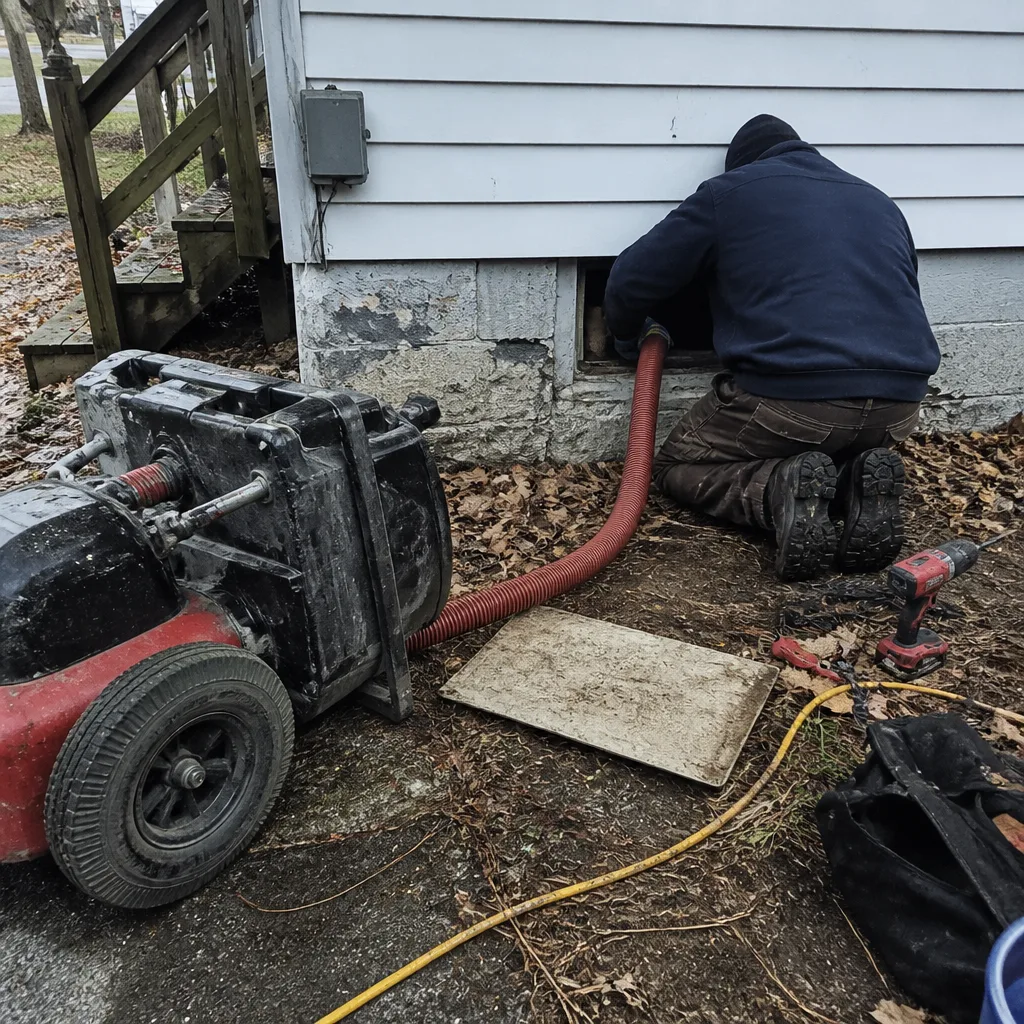 Before
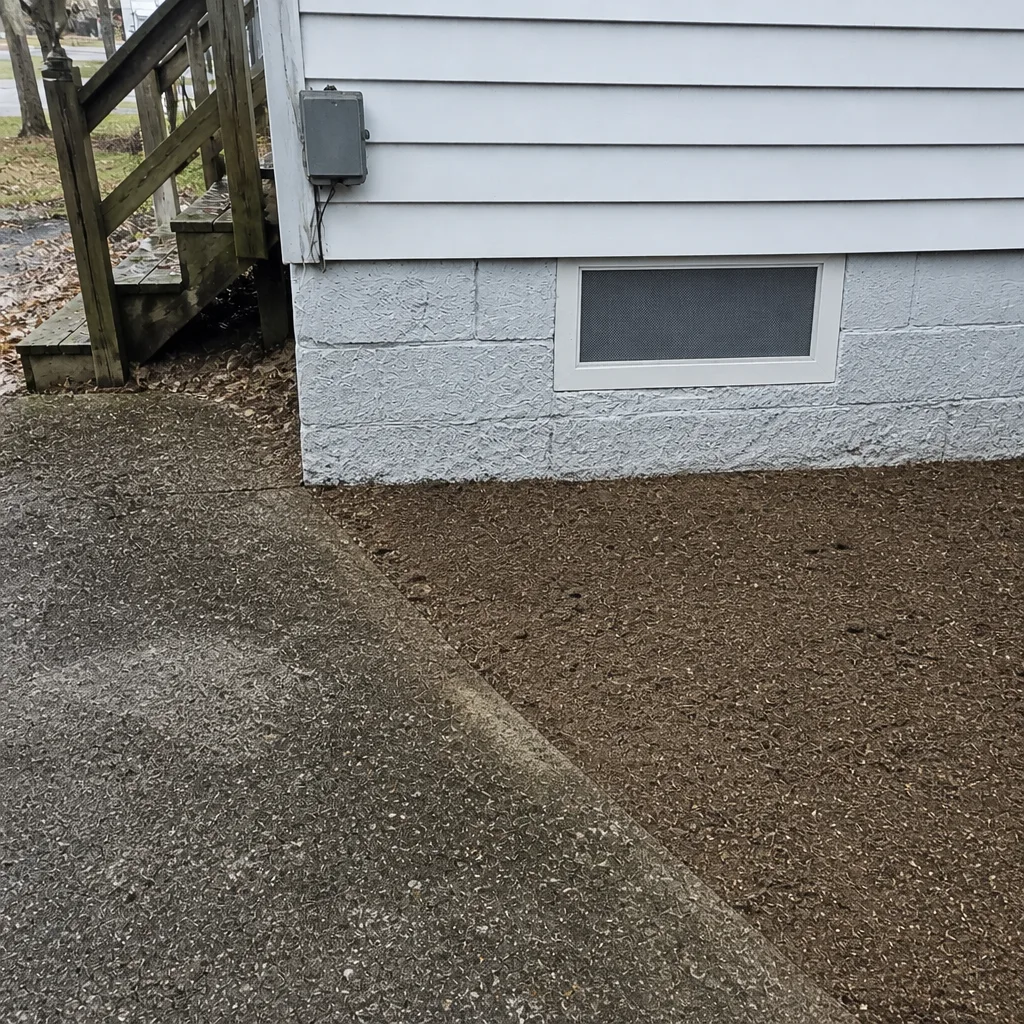 After
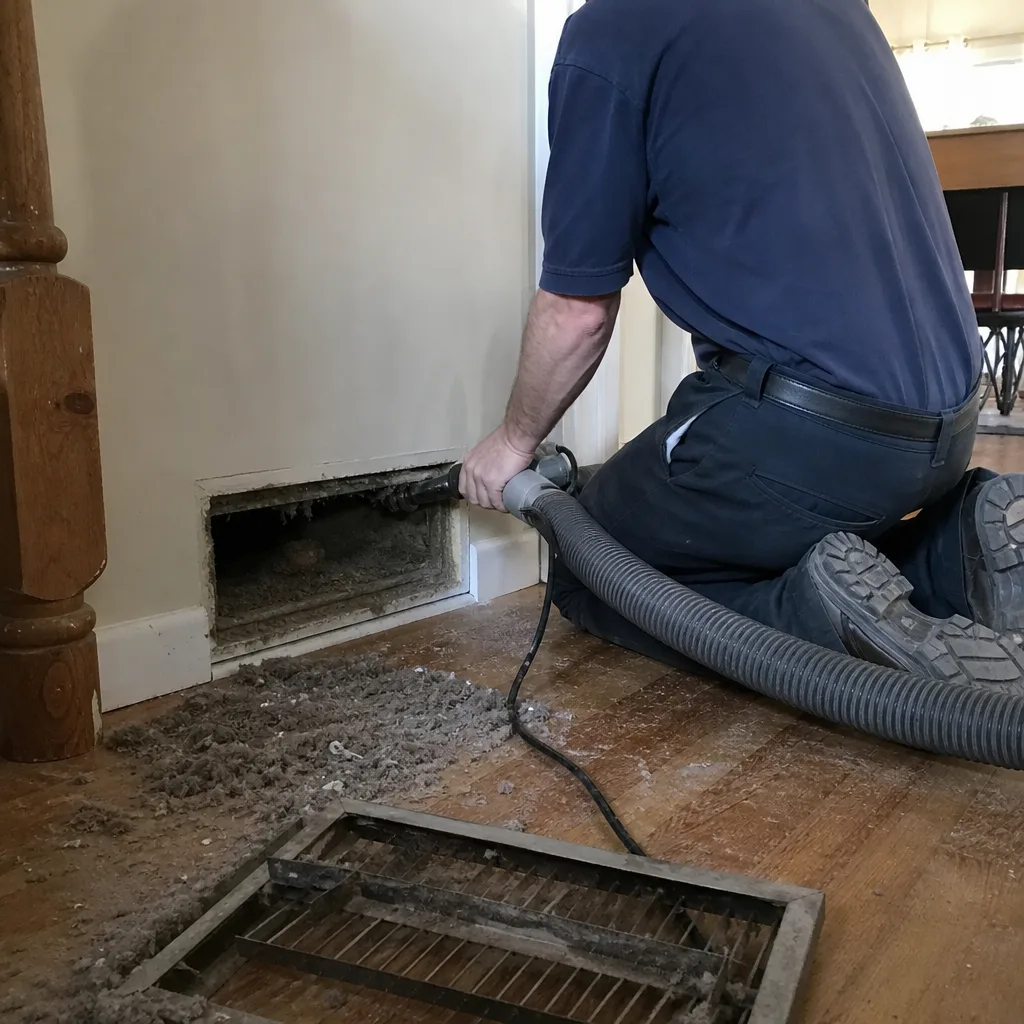 Before
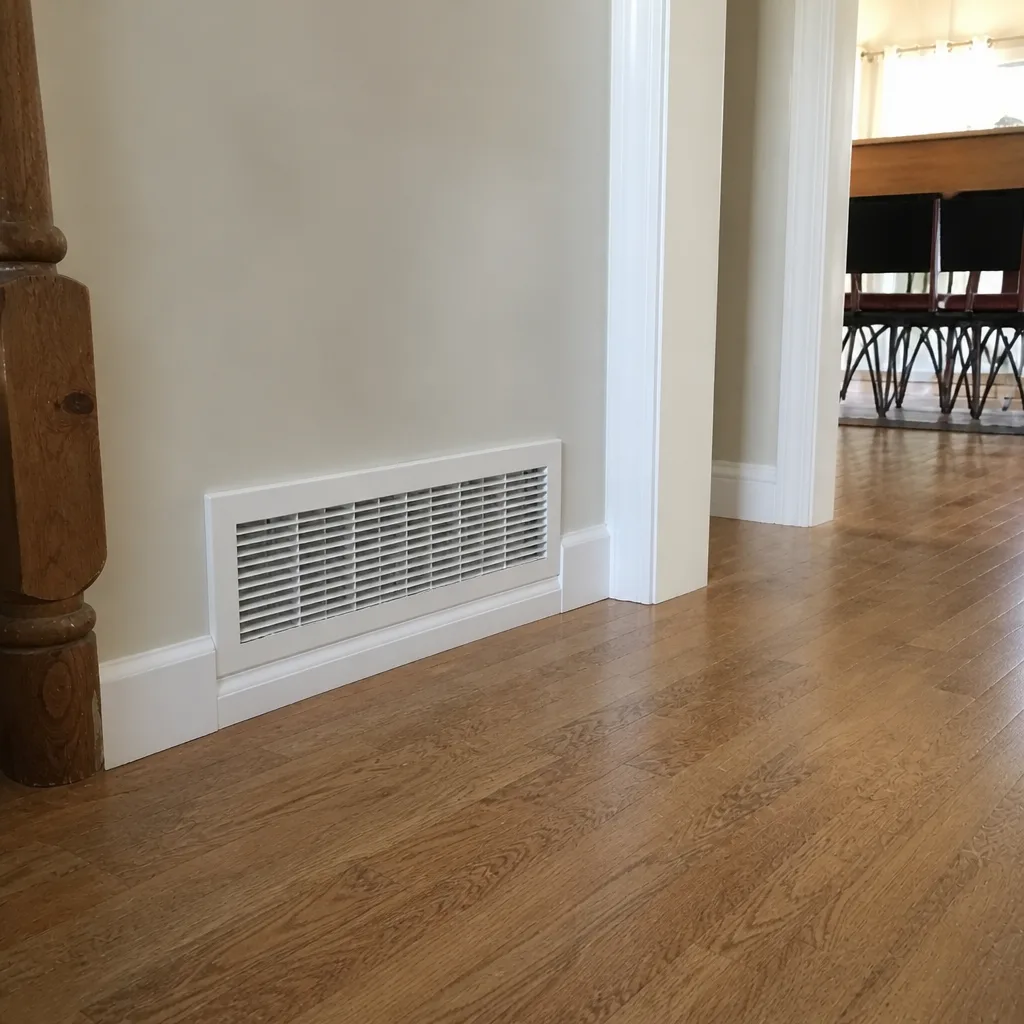 After
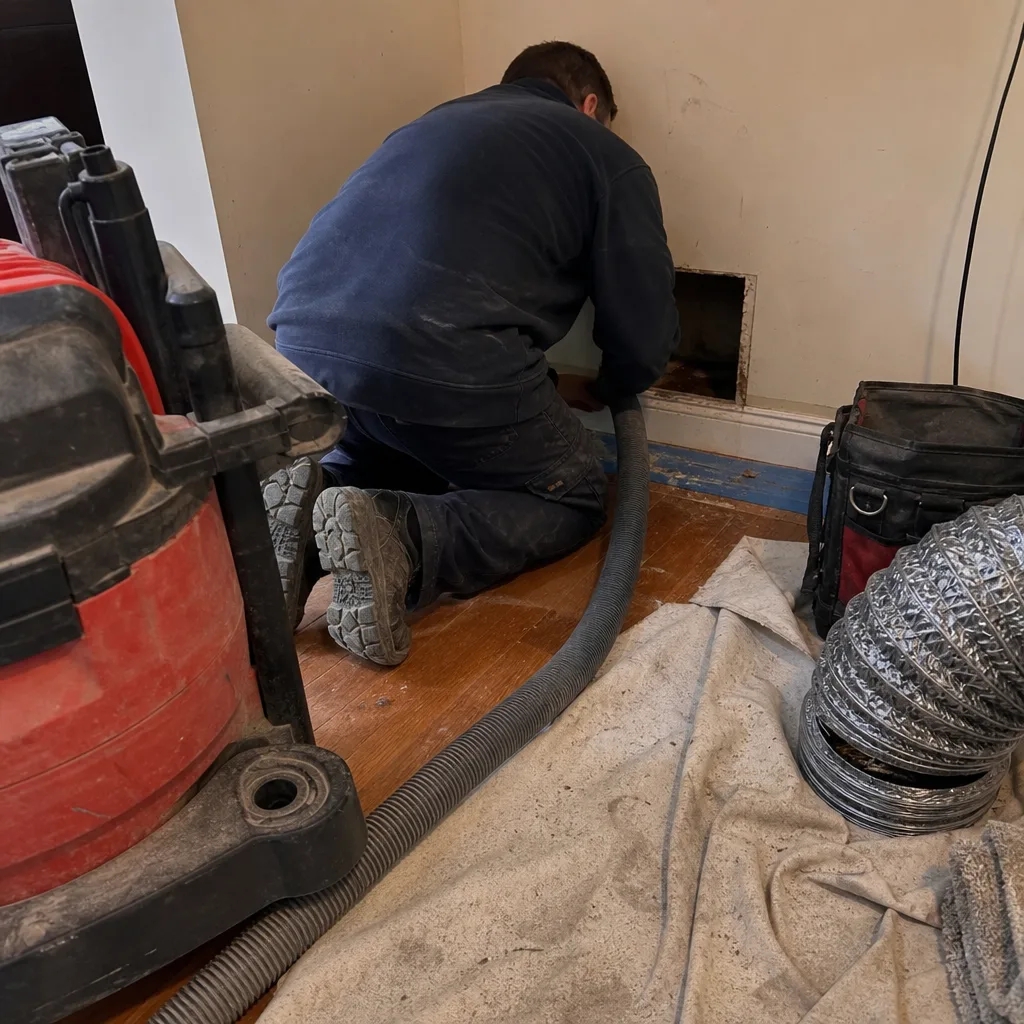 Before
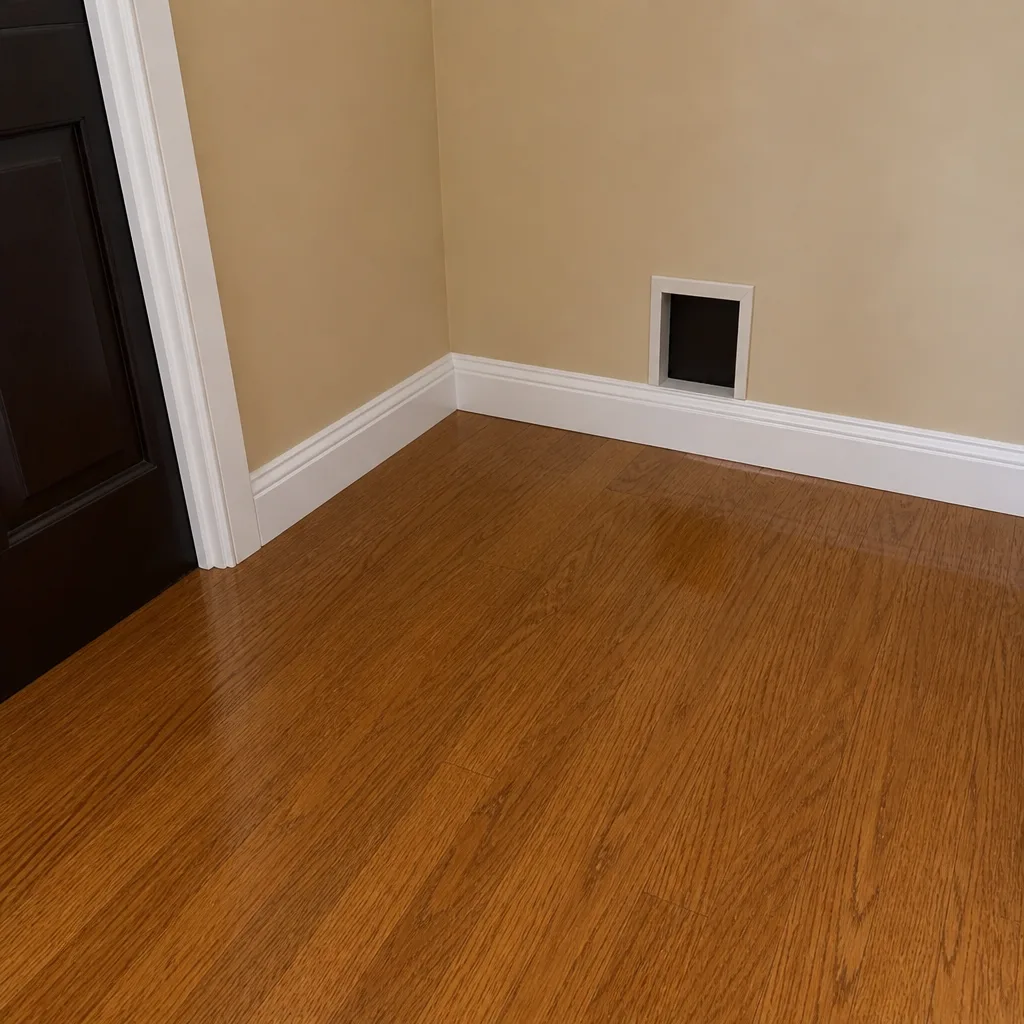 After