
Last updated November 22, 2026
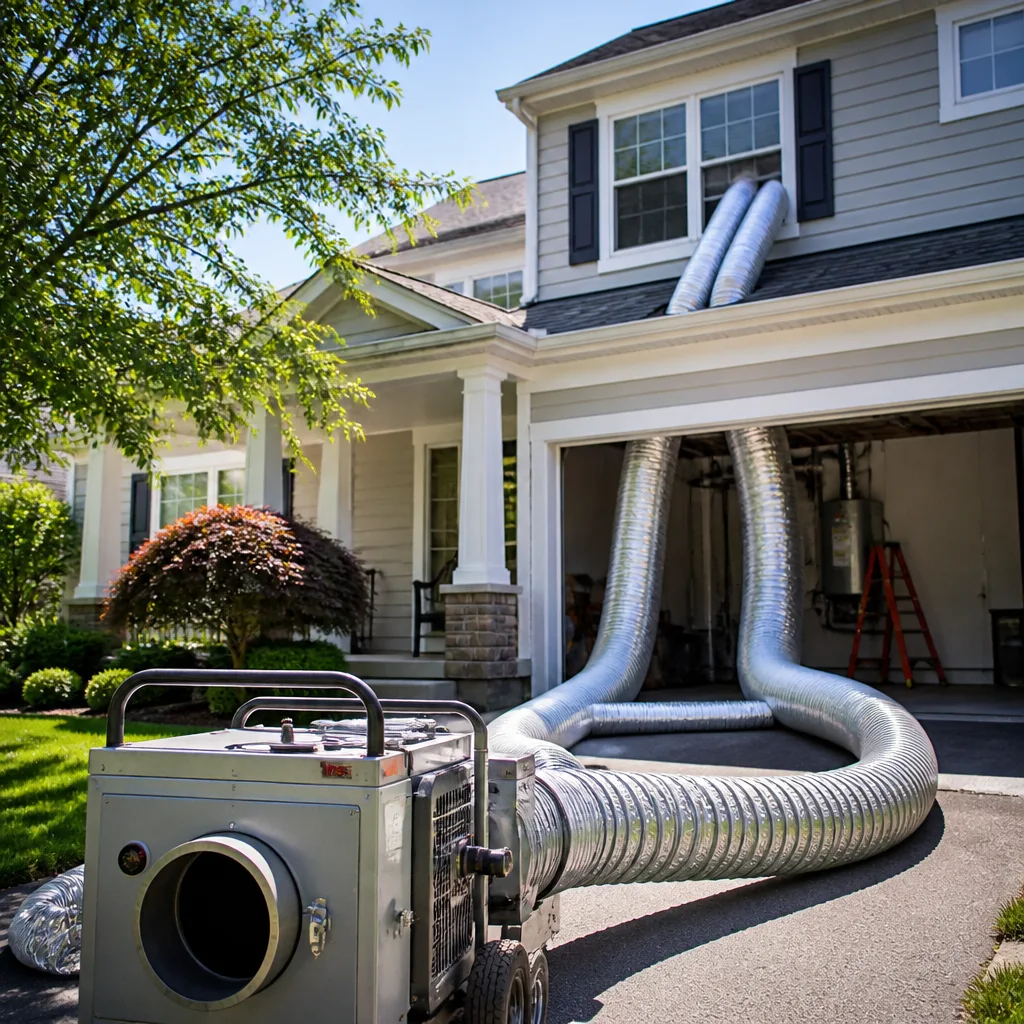 Whole-home duct cleaning
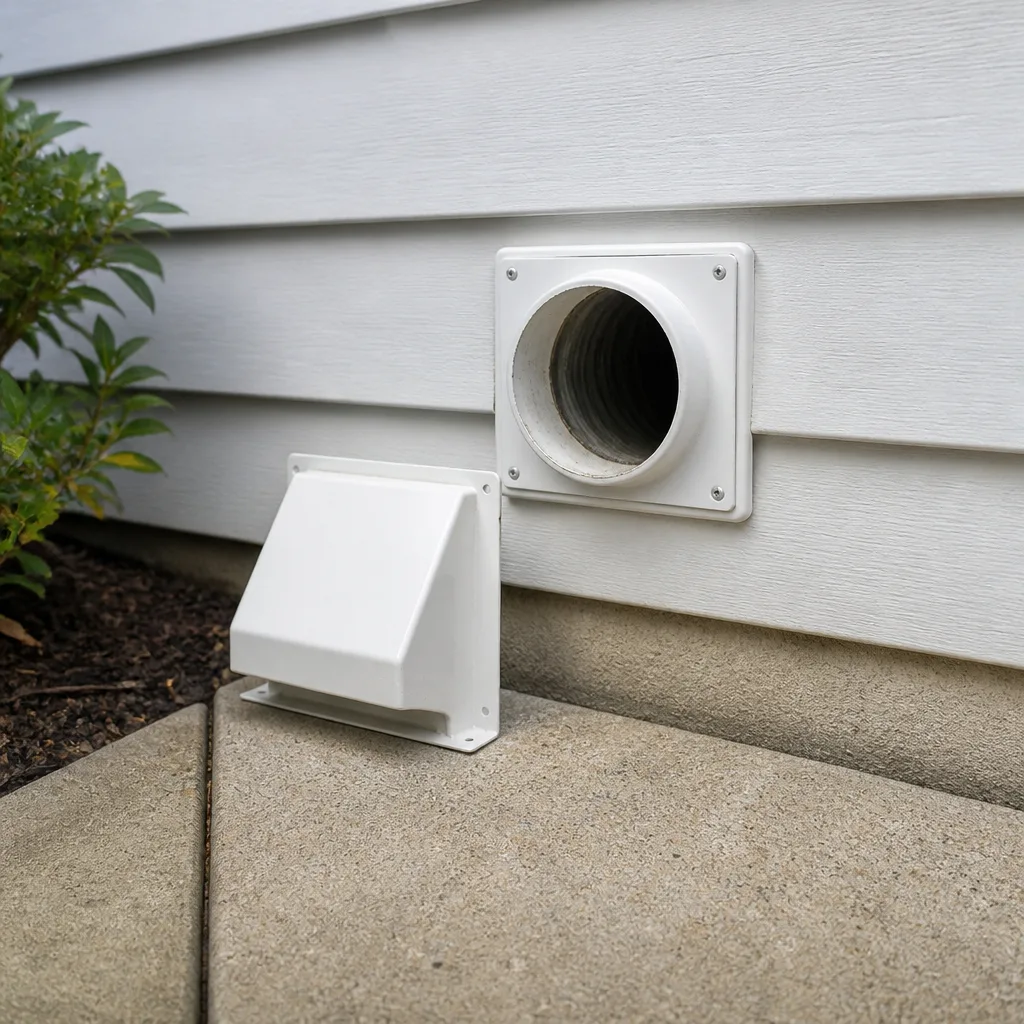 Dryer vent cleaning
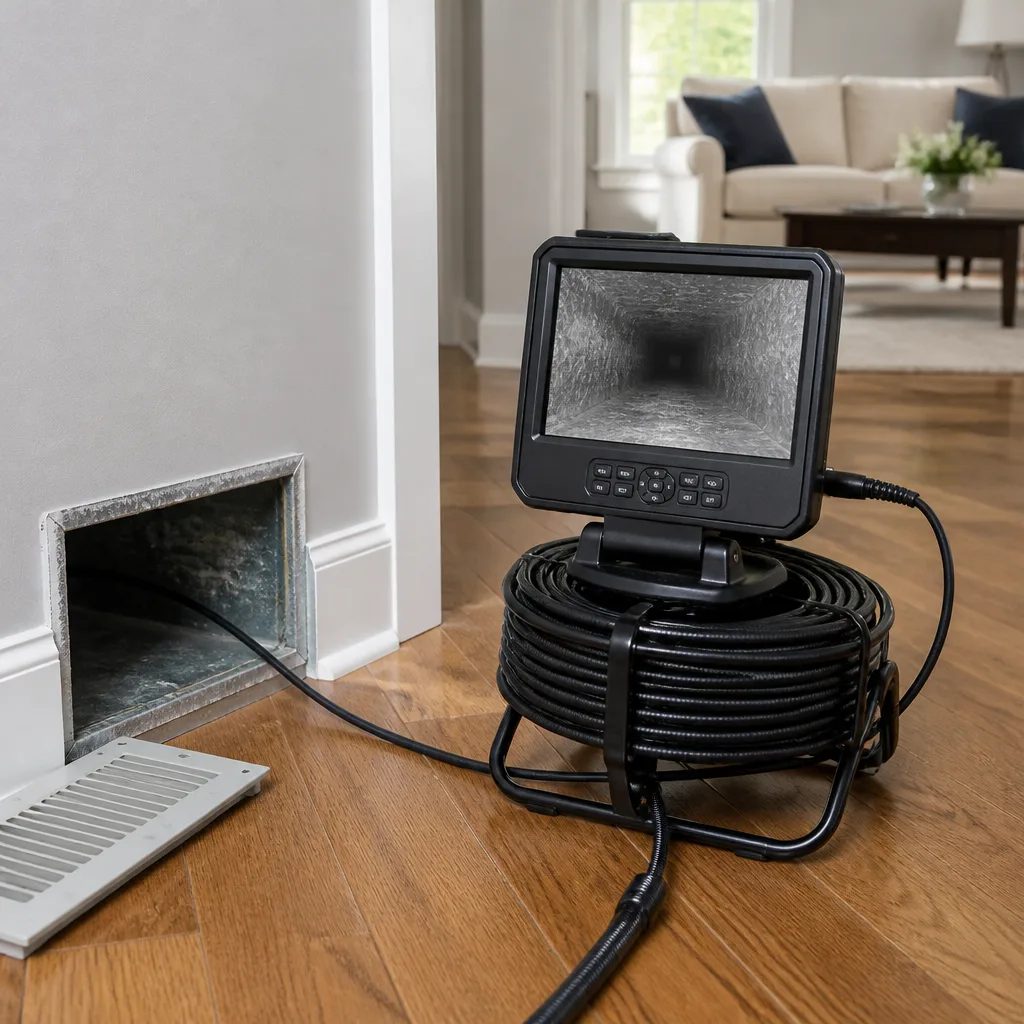 Camera inspection
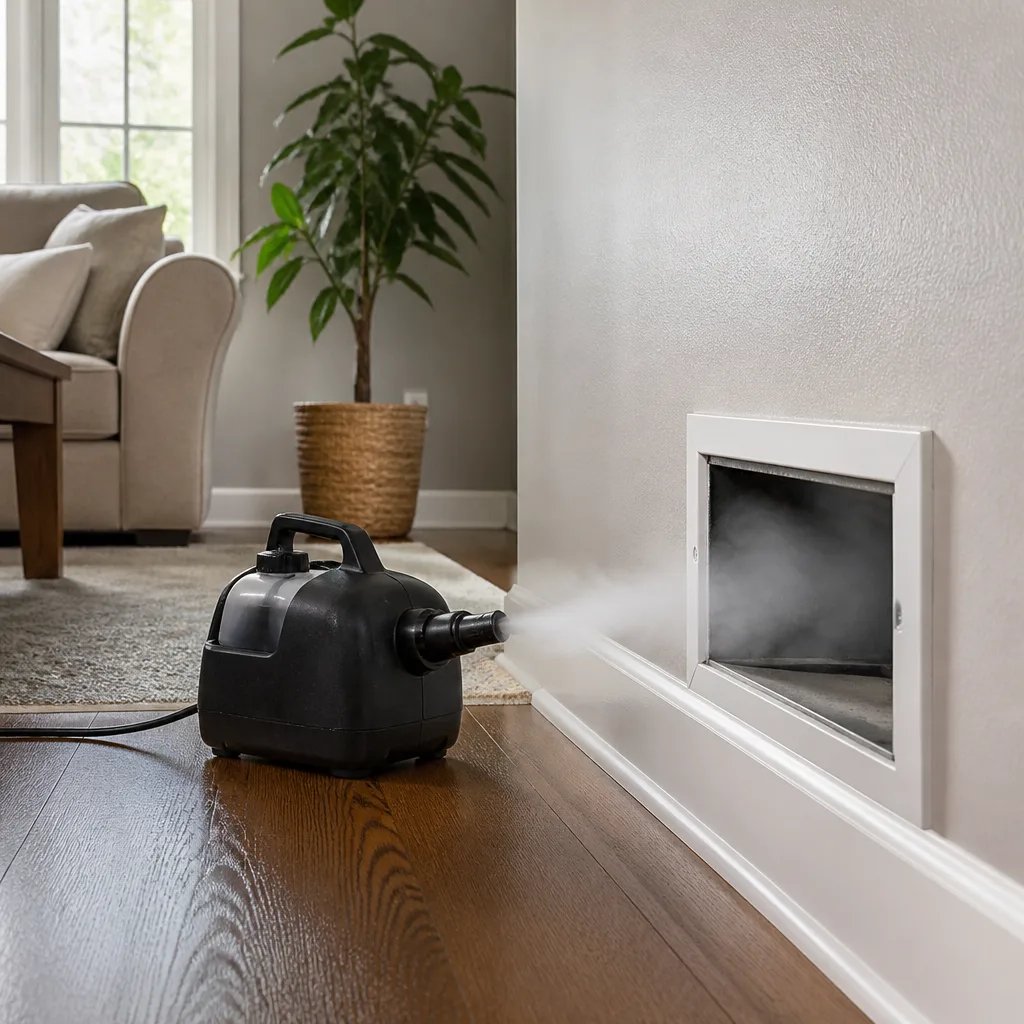 Sanitizing & deodorizing
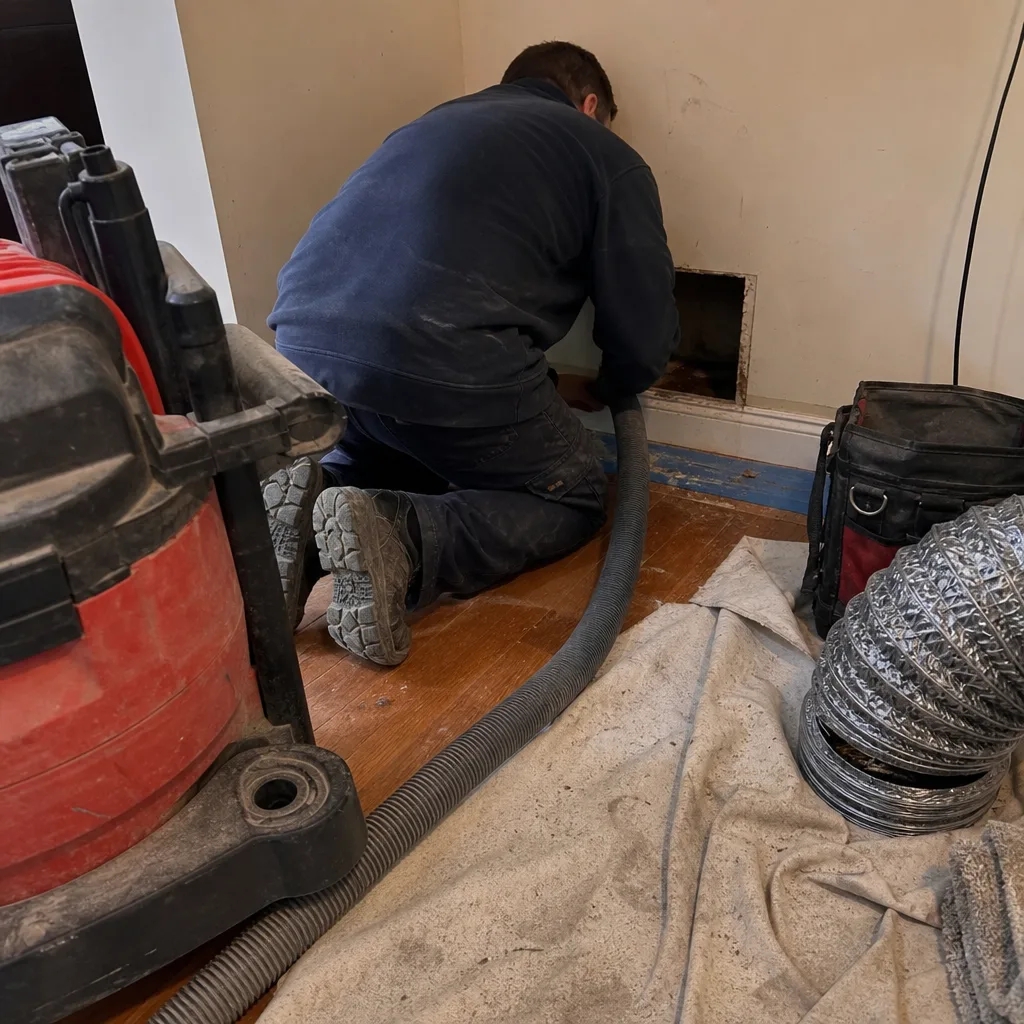
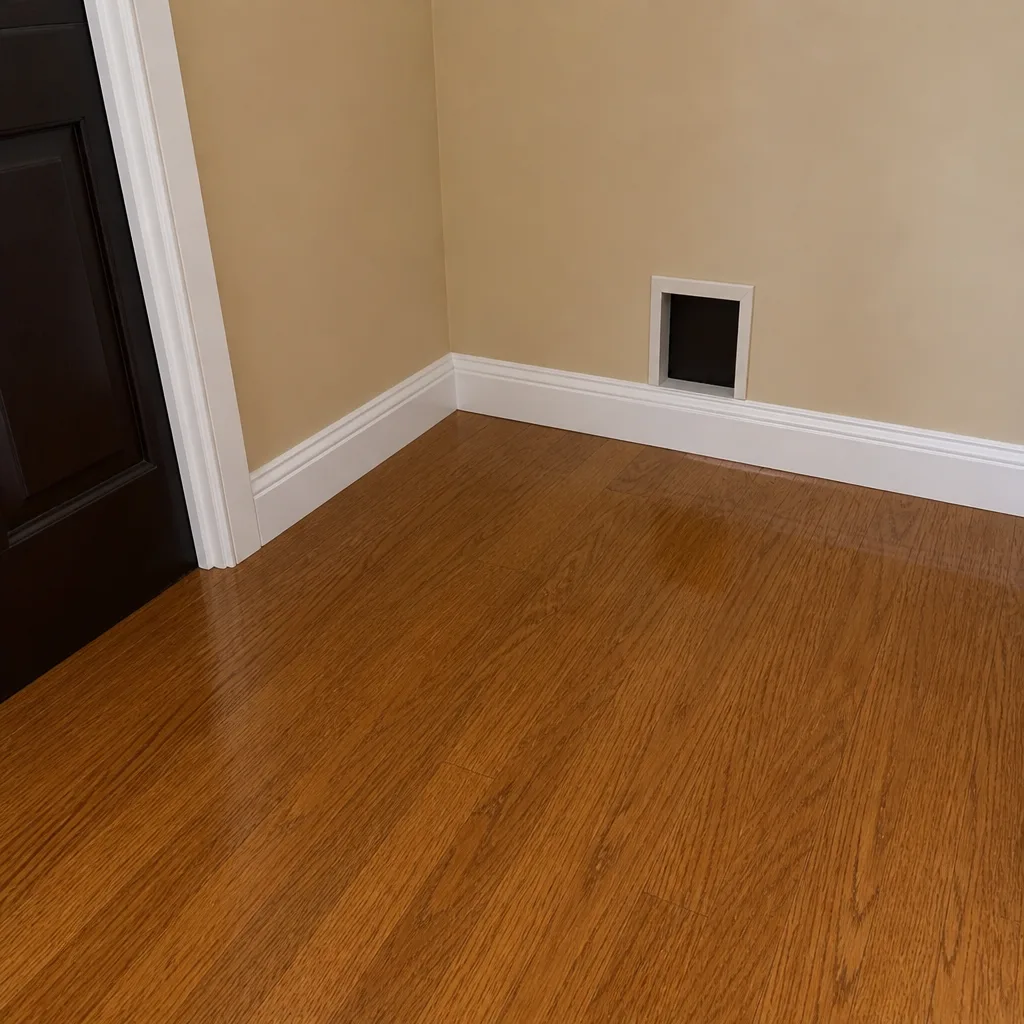
Whole-system duct and dryer vent check with before-and-after photos - you see exactly what came out of your vents
That "$99 whole-house special" is a bait ad - the real number appears once they are in your hallway, or the "clean" is a shop-vac at the register. We photograph the inside of your ducts before and after instead.
Air Duct Cleaning Emergency Preparedness Guide for Tremont Homes
Most homeowners who come back to a wet basement make the same move within the hour: they switch the furnace fan to ON to dry things out. In a Tremont rowhouse that pulls humid air across wet ductwork and pushes particles from the duct interior into every room of the house. Nobody told them. Duct damage after a flood, a fire, a pest infestation or a gut renovation is a different category of problem from routine maintenance, and the first 48 hours change what the job becomes. This guide walks Tremont homeowners through the right sequence of actions for each type of emergency, what to shut down, what to document, and how to tell a remediation-capable contractor from one who only does maintenance cleanings.
Quick Answer
After any event that compromises your ducts, shut the HVAC system off completely rather than running it to dry things out, photograph everything before anyone touches it, and arrange a professional inspection. Post-flood duct cleaning in Tremont is a remediation scope, not a maintenance cleaning: it involves contaminated insulation and lining, requires high-powered extraction and airborne particulate control, and needs written documentation if you want your insurer to consider the claim. The 48-hour window after water exposure is the most consequential period, because wet lining loses integrity quickly and the difference between a fast response and a slow one often changes the cost and the scope of the entire remediation.
Styles & brands we work with
- Whole-home duct cleaning
- Dryer vent cleaning
- Camera inspection
- Sanitizing & deodorizing
Table of Contents
- Emergency Decision Tree: Four Scenarios, Four Responses
- The HVAC Shutdown and Documentation Steps Every Scenario Requires
- Why Post-Flood Duct Cleaning Is a Remediation Job, Not a Maintenance Job
- The 48-Hour Window After Water Exposure
- Working With Your Insurance Adjuster on Duct System Damage
- How to Tell a Remediation-Ready Contractor From a Routine Cleaner
- Tremont Housing, Weather, and Why Ducts Here Take a Hit
Emergency Decision Tree: Four Scenarios, Four Responses
The right first move depends on what happened. A flood response and a pest response need different shutdown steps and different documentation. Below is the sequence for each of the four scenarios we see most often in Tremont homes.
1. Water Intrusion (Basement Flood, Burst Pipe, Overland Flooding)
- Turn the HVAC system off at the thermostat and, if you can reach it safely, at the breaker for the air handler.
- Do not run the fan to dry the house. This is the single most common mistake, and it spreads moisture and contaminants through the whole system.
- Photograph standing water, waterlines on ductwork, and any visible water inside registers before cleanup begins.
- Contact your insurer and start a claim file the same day.
- Arrange a professional inspection of the duct system before the system is put back into service.
2. Fire and Smoke Damage
- Keep the HVAC off. Smoke residue is acidic and will coat the inside of ductwork, and running the system distributes it further.
- Photograph every room, including registers and returns, once the fire department has released the property.
- Do not attempt to clean duct interiors yourself; soot on flex duct lining cannot be wiped away and requires replacement.
- Have the duct system inspected and documented before any reconstruction begins, so the report can go into the insurance file.
3. Pest Infiltration
- Turn the system off to prevent distribution of droppings, dander, nesting material, and insects through the home.
- Identify the entry point if you can do so safely, and note it on paper. The entry point is what a duct repair and sealing scope will address.
- Do not use a shop vacuum on duct interiors; it will push fine particulate back into the room air.
- Arrange a professional cleaning and sanitizing step, followed by sealing of the breach.
4. Construction Contamination
- Cover registers and returns, or keep the system off, for the duration of dust-producing work.
- Once the renovation is done, do not simply vacuum the registers and turn the system back on. Drywall dust and sawdust that reached the duct interior needs mechanical agitation and extraction.
- Photograph the finished space and note the construction dates for your records.
- Schedule a cleaning after the dust settles but before you go back to normal use of the system.
In every scenario, the common thread is this: shut the system down, document before you clean, and have a professional look at the duct interior before you turn the system back on. For routine work done outside an emergency, you can read more about air duct cleaning and what a standard cleaning involves.
The HVAC Shutdown and Documentation Steps Every Scenario Requires
Regardless of which scenario you’re in, there are five steps that apply every time. Skipping any of them makes the rest of the job harder and weakerens an insurance claim.
- Turn the system off at the thermostat. Not down. Off. Then, if you can safely access your electrical panel, switch off the breaker serving the air handler or furnace.
- Photograph everything before cleanup or repair. Wide shots first, then close-ups. Waterlines on ductwork, soot residue, droppings, dust piles, and the entry point of any pest infiltration. Timestamped photos are useful; voice notes on your phone about the date and time also help.
- Write a timeline. The date and rough time the event happened, when you noticed, what you did, and when. Insurers care about the sequence.
- Keep receipts for anything you buy. Fans, dehumidifiers, replacement filters, temporary sealing materials: all should go into the claim file.
- Get a written professional inspection report. A cleaning invoice alone doesn’t prove duct system damage. An inspection report that describes what was found, photographed, and what scope of work is recommended does.
The order matters. Photos after cleanup are much weaker evidence than photos before. Inspections after the system has been running for days describe a different condition than inspections done immediately. If you’re uncertain about the breaker, leave it alone and just make sure the thermostat is off. A licensed electrician should handle panel work; electrical panels and wiring are dangerous to open without training, and we don’t recommend it as a do-it-yourself task.
Why Post-Flood Duct Cleaning Is a Remediation Job, Not a Maintenance Job
A routine duct cleaning removes accumulated dust from a system that is otherwise structurally intact. A post-flood cleaning addresses a system that has been exposed to contaminated water, saturated insulation, and microbial growth, and it is closer in scope to a remediation project than a maintenance visit. The difference shows up in how the work is scoped, what equipment is used, and what documentation comes out the other end.
Here’s the practical breakdown:
- Scope. A maintenance cleaning covers duct interiors and registers. A post-flood scope usually includes inspection for water intrusion throughout the entire air pathway, replacement of any saturated insulation or flex duct, sanitizing of surfaces, and repair and sealing of any compromised joints. Cleaning, sanitizing, repair, and sealing need to be handled together because the job isn’t done when the duct looks clean; it’s done when the pathway is dry, clean, sealed, and documented.
- Equipment. Routine cleanings can be handled with professional-grade duct cleaning equipment like Rotobrush and Nikro systems, which agitate and extract debris effectively. Post-flood scopes also need airborne particulate control: Abatement Technologies air filtration equipment, which is the standard in professional remediation. Without that, particulate knocked loose during cleaning resettles in the home.
- Documentation. A remediation scope produces photos of before-and-after conditions, a written summary of findings, and a scope of recommended work. That is what an adjuster can use. A cleaning invoice is not.
- Sequencing. Post-flood duct work comes after structural drying is complete and moisture readings are stable. Cleaning a system that is still wet or still in an actively damp structure wastes money, because contamination will recur.
If you suspect your ducts are compromised but you’re not sure whether the situation is routine, read our HVAC cleaning overview for how we handle standard system cleanings, and use that as the baseline for judging whether your situation is bigger.
The 48-Hour Window After Water Exposure
The first 48 hours after water reaches ductwork are the period when the outcome of the whole job is largely set. This is not because of any specific biological clock, but because of how materials behave when they get wet and stay wet.
What happens in the first hours. Water enters through seams, condensate lines, flooded basement connections, or window-mounted equipment. Flexible duct insulation acts like a sponge; once saturated, it does not dry effectively in place. Rigid duct with interior lining is similar: the lining wicks water and stays damp.
What happens between hours 12 and 48. Damp organic material (dust, debris, and the paper facing on insulation) becomes a hospitable environment for microbial growth. Odor starts to become noticeable. Metal components begin to corrode at seam edges. The longer the system sits wet and closed, the more of the duct interior needs to be replaced rather than cleaned.
What this means for scope and cost. A fast, correct response often allows the existing system to be cleaned, sanitized, and put back into service after drying. A delayed response more frequently ends up requiring replacement of flexible runs, sections of interior-lined duct, and insulation, plus a more extensive sanitizing step. The scope expands and so does the cost. Post-event remediation is priced per job by written estimate because every system and every event is different; there is no useful flat rate for this work.
Two things speed up the 48-hour response without any trade-off in quality:
- Get the system off immediately. This is free and it’s the single most impactful step you can take.
- Get an inspection scheduled within the first 48 hours. An inspection is not the same as the cleaning; it establishes the scope. Once the scope is written down, you know what work is real and what is upsell.
What you shouldn’t do in that window is run the system to “dry it out” or aim household fans directly into registers. That distributes what you’re trying to contain.
Working With Your Insurance Adjuster on Duct System Damage
A cleaning receipt doesn’t document duct system damage. It documents that a service was performed. An inspection report that identifies contamination, moisture, damaged lining, or compromised joints, with photographs and a written scope of recommended work, is what an adjuster can actually act on. If your goal is to have your insurer consider the duct portion of the claim, the report is the deliverable you need.
Where duct claims go wrong, in our experience:
- The event wasn’t documented before cleanup. Photos taken after someone mopped the basement and ran fans for two days are weak evidence.
- The scope wasn’t written down by a professional. A verbal quote is not a document. A written estimate with line items and observations is.
- Duct work was completed before the adjuster saw the report. Insurers are more cooperative when they have the opportunity to review the scope before the work happens.
- The claim mixed duct work with unrelated system upgrades. If you’re also interested in adding filtration or humidity control, keep that discussion separate from the claim, or be explicit with your adjuster about what portion is remediation and what portion is an improvement.
What a professional inspection report typically includes:
- Date and address, with photographs of the exterior and interior of the system where relevant.
- Description of the event as you reported it, including the timeline.
- Observed conditions inside the ductwork, with photographs.
- Recommendation: clean, sanitize, repair, seal, or replace (individually or in combination).
- Scope line items and a written estimate for the recommended work.
If you want a second opinion on the report, that’s fine. Get it in writing as well. Adjusters respond to consistency.
How to Tell a Remediation-Ready Contractor From a Routine Cleaner
The gap between a routine cleaning and a remediation scope shows up in equipment, process, and paperwork. A homeowner can spot the difference in a phone conversation if they ask the right questions.
Questions worth asking before you book
- What equipment will be used? Professional-grade duct cleaning systems like Rotobrush and Nikro are the baseline for any serious cleaning, and they’re a completely different tool from a shop vacuum. For post-event work, ask specifically about airborne particulate control; proper remediation work uses equipment like Abatement Technologies air filtration to keep liberated particulate from resettling in the home.
- Is sanitizing included as a distinct step? Clean-looking duct is not the goal. Treating microbial growth and odors after cleaning is what separates “looks clean” from “is clean.”
- Do you do repair and sealing as part of the scope? If the duct has compromised joints or a pest entry point, cleaning alone leaves the same problem in place. Sealing what gets cleaned is what prevents the same contamination from reopening the case in three months.
- Will I get a written inspection report and photographs? If the answer is no, or vague, keep looking. Documentation is the entire difference on an insurance claim.
- Are you comfortable working alongside my adjuster? You don’t need a dedicated claims department, but the contractor should be comfortable producing documentation and holding to a written scope.
- What surface protection will be used? Guardsman-grade surface protection standards matter more on post-event work than routine cleanings, because you’re often working in a home where other trades are also present.
What to look for in the process
- A written scope before work begins, with line items rather than a single lump-sum number.
- Mechanical agitation and high-powered extraction as the primary method, not “blowing air through the system.”
- A distinct sanitizing step, not implied.
- Repair and sealing offered as part of the same relationship, not as a separate contractor you have to find.
- Before-and-after photos of the actual duct interior at your property.
One specialist handling the whole system is more useful in a post-event situation than coordinating three trades. Air Duct Cleaning Tremont handles cleaning, sanitizing, duct repair, and sealing under one scope, using professional-grade Rotobrush and Nikro systems, Abatement Technologies air filtration for particulate control, and Honeywell and Aprilaire products when filtration or humidity control is added to the finished scope. Our technicians have up to 8 years of experience, and we’ll happily walk you through the equipment we’ll bring before we arrive.
Tremont Housing, Weather, and Why Ducts Here Take a Hit
Tremont’s housing stock is a meaningful part of why duct emergencies play out the way they do here. The neighborhood is dominated by older rowhouses, many with basements that sit partially below grade. When water gets in, the basement is exactly where the duct trunk and often the air handler are. A wet basement in a Tremont rowhouse is, in practice, a wet duct situation more often than homeowners realize.
Humidity through the warmer months is the second factor. When a system is off during vacations or between renovations, condensation can build on cool duct surfaces in unconditioned spaces, especially in basements and crawl areas. A slow drip that no one notices over weeks has a similar effect to a sudden flood, just over a longer timeline.
And Tremont rowhouses share something else: tight returns and short runs. Contamination in one section of the system can reach the whole house quickly when the fan is running. That’s why the “just turn the fan on to dry it” instinct does so much damage here. The distribution is fast and wide. For city-specific cleaning details beyond this guide, see our Air Duct Cleaning Tremont page, and for the dryer vent side of the same air pathway, dryer vent cleaning is worth reading before you deal with lint or moisture issues near the dryer.
If you’ve recently had work done around the house (a kitchen renovation, a roof repair, a basement finish), construction contamination is a scenario worth keeping on the radar. Dust from drywall and sawdust is what most commonly ends up inside ductwork after a renovation, and it typically shows up as increased dust on horizontal surfaces and a faint musty smell when the system first comes on for the season.
Common Mistakes to Avoid
- Running the HVAC to “dry out” a wet basement. This pulls humid air through the system and distributes particles from duct interiors. Turn the system off instead.
- Waiting for the smell to go away on its own. In a Tremont rowhouse, air from one part of the system reaches the whole house quickly; a damp smell that’s noticeable in one room is usually a duct-wide problem.
- Cleaning before photographing. Once walls are wiped and floors are mopped, the evidence an adjuster needs is gone. Photograph first.
- Accepting a receipt as documentation. A receipt doesn’t describe conditions or scope. Ask for an inspection report with photographs.
- Treating pest infiltration as a cleaning problem only. Without sealing the entry point, the same problem returns. Cleaning needs to be paired with duct repair and sealing.
- Skipping sanitizing after soot or smoke. Smoke residue and microbial growth don’t respond to simple extraction. Sanitizing is a distinct step and it matters.
- Assuming a wet-system cleaning can be done on the same visit as drying. Post-flood duct work comes after structural drying; sequencing it wrong wastes money.
See the difference
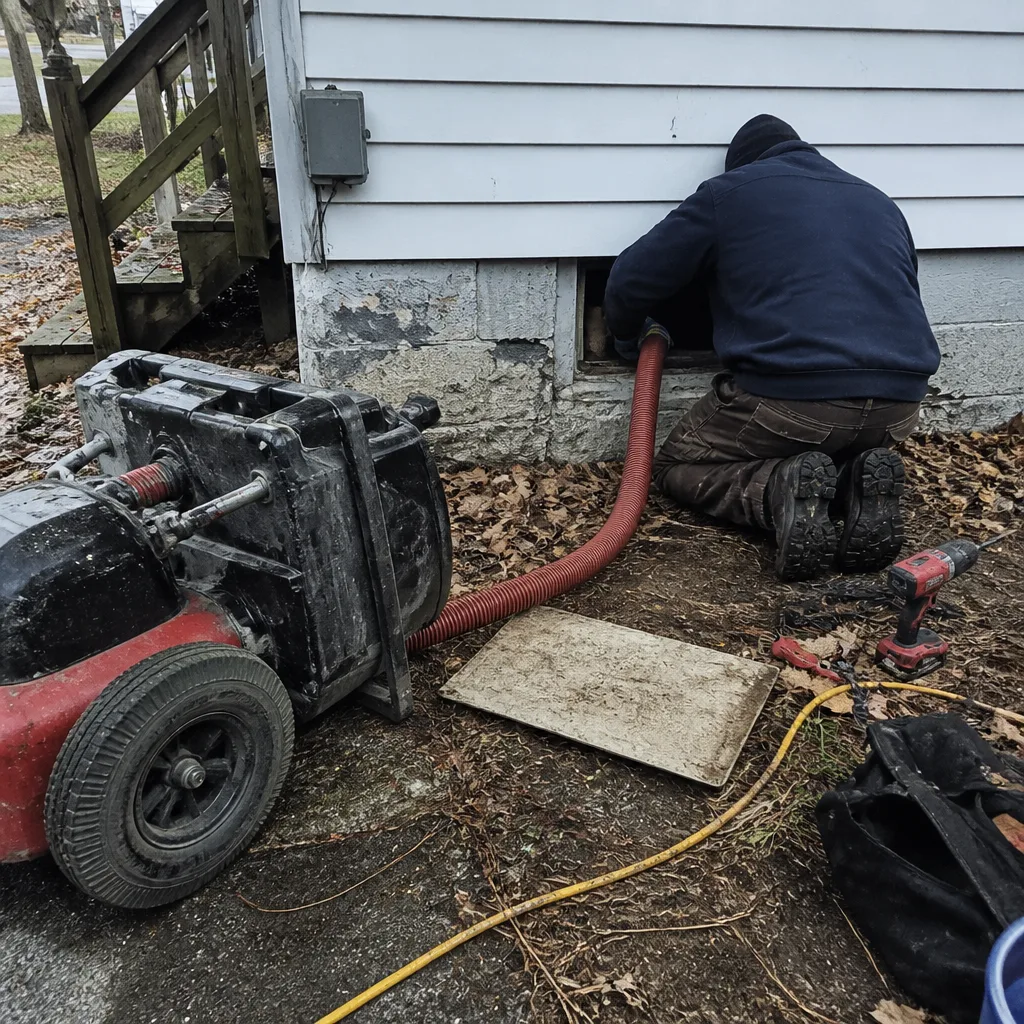 Before
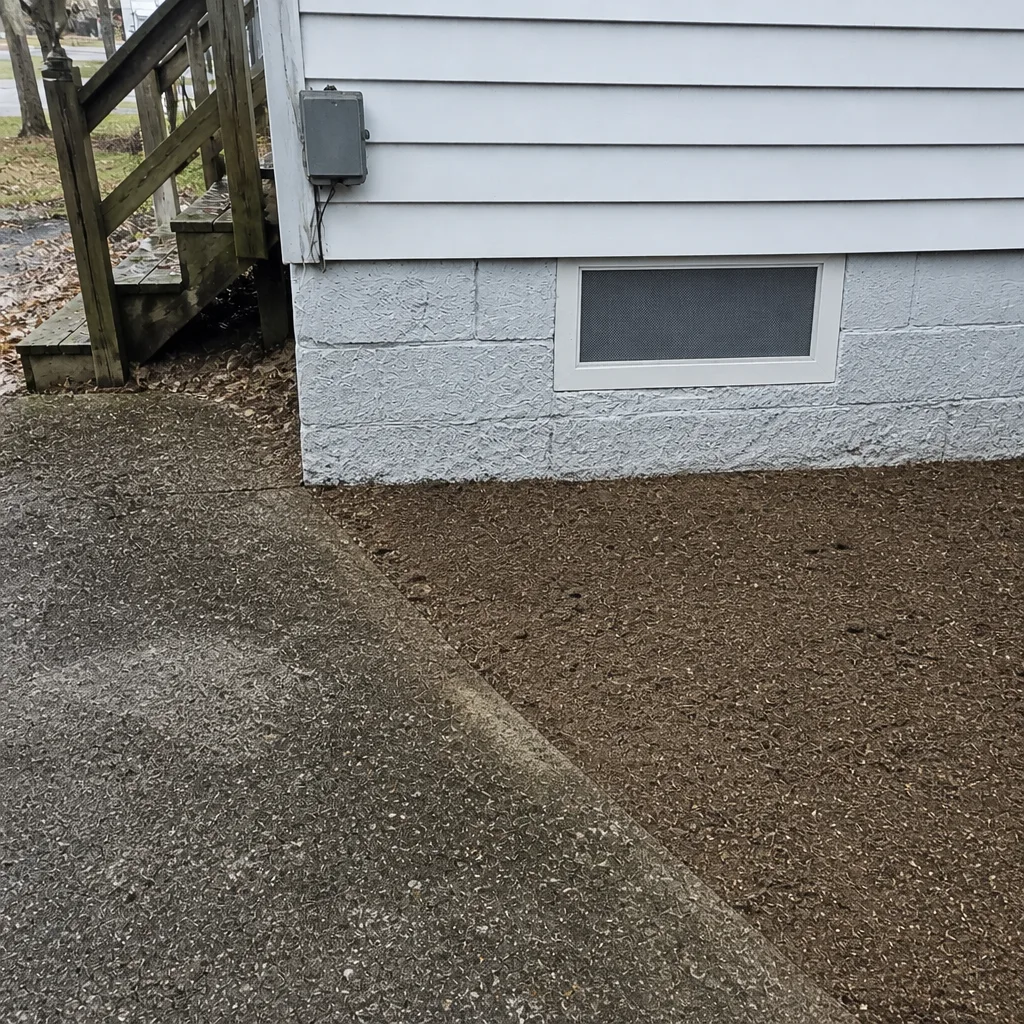 After
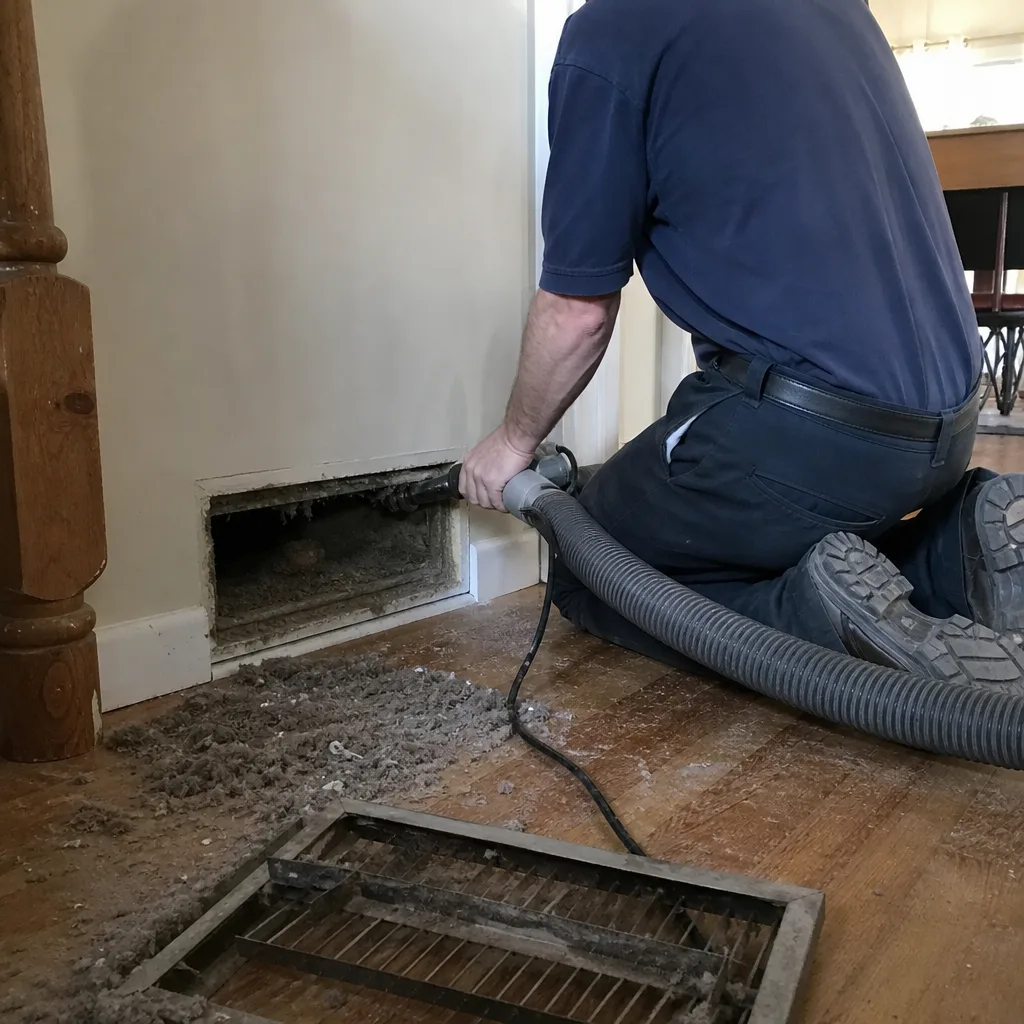 Before
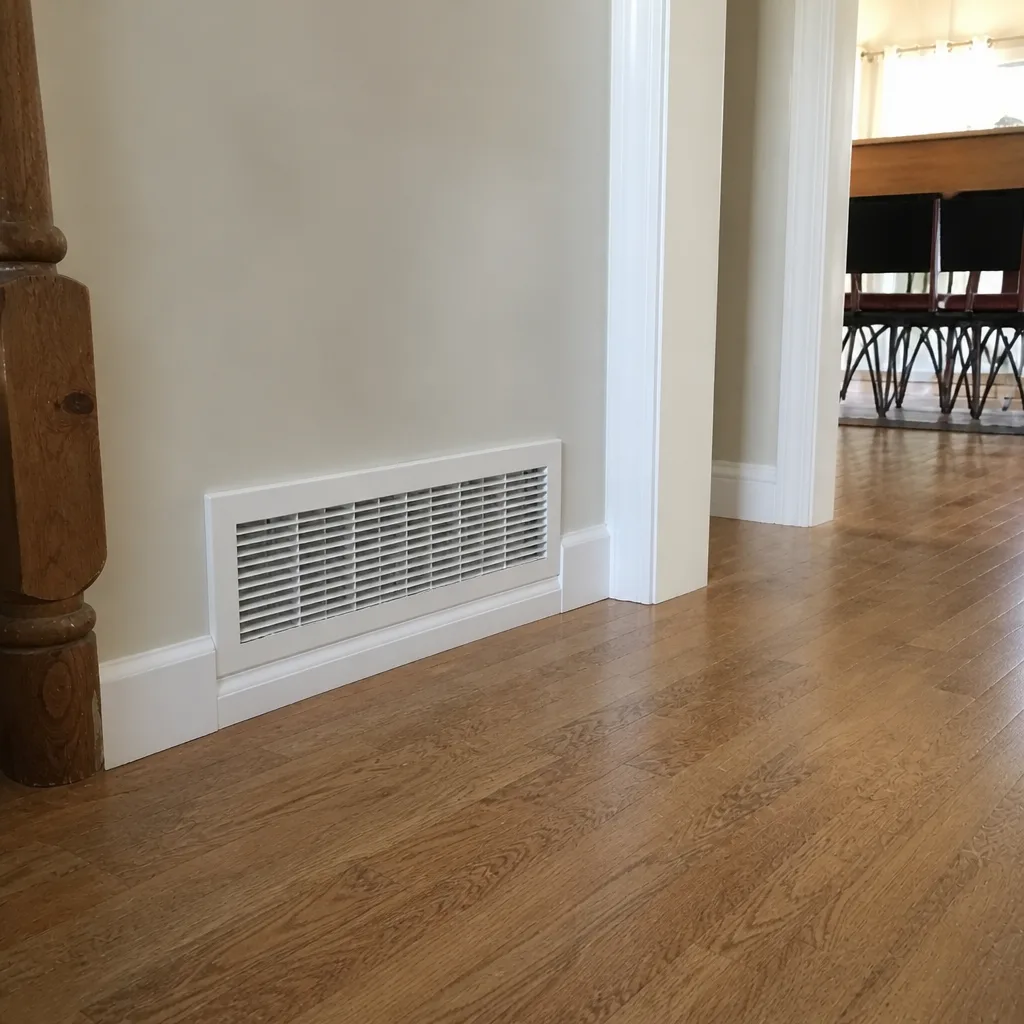 After
 Before
 After
When to Call a Professional
Call when water has reached ductwork, when smoke residue is present anywhere in the system, when you’ve seen evidence of pests in the ducts, or when renovation dust has settled into the system. Call if the system has been running since the event without inspection, because the scope now needs to be assessed rather than assumed. Call if you’re unsure whether the situation is routine or a remediation job; a professional inspection is what tells you. Call if your insurer wants documentation, because the report has to come before the work does.
What you shouldn’t do is clean up first and inspect later. The order is not reversible.
Air Duct Cleaning Tremont offers free estimates in Tremont, call (833) 468-5768. We answer 24/7. Fast dispatch from 7am to 7pm, Sunday through Friday.
Frequently Asked Questions
No. Running the HVAC after water intrusion pulls humid air across wet ductwork and distributes particles from the duct interior throughout the home. Turn the system off at the thermostat, and switch off the breaker serving the air handler only if you can do so safely. Call (833) 468-5768 for an inspection before you turn the system back on; estimates are free.
The first 48 hours matter most. Wet insulation and interior duct lining don’t dry effectively in place, and the longer the system sits wet and closed, the more of the duct interior needs replacement rather than cleaning. Getting the system off and an inspection scheduled within that window is the highest-value response. Call (833) 468-5768 to schedule the inspection.
Routine air duct cleaning in Tremont is priced per system by written estimate, and post-event remediation work is priced the same way because scope varies so much from one event to the next. No honest quote in this market can be given over the phone for a post-flood scope; the inspection has to come first. That’s why the estimate itself is free. Call (833) 468-5768 for an exact quote.
A very low quote is usually a maintenance cleaning scope applied to a remediation situation, or a scope that skips sanitizing, sealing, and documentation. On post-event work, those three steps are most of what matters. If the quote doesn’t name the equipment, doesn’t include sanitizing as a distinct line, and doesn’t promise a written report, you’re getting a cheaper scope, not a cheaper service. Call (833) 468-5768 to compare a full remediation scope on writing.
Ask for before-and-after photographs of the interior of the ductwork at your property, plus a written summary that matches the scope of work you agreed to in advance. The right process includes mechanical agitation and high-powered extraction, a distinct sanitizing step, and photo documentation. We include all of that on every job. Call (833) 468-5768 to talk through what documentation you’ll receive.
Coverage depends on your policy and the cause of the water intrusion. What we can tell you is what documentation an adjuster typically needs: a written inspection report with photographs and a scope of recommended work, not just a cleaning invoice. Getting the report before the work is done is what puts you in the best position. Call (833) 468-5768 for a free inspection and estimate.
For a routine system in an ordinary household, several years between cleanings is common. Emergencies are different: water intrusion, fire and smoke, pest infiltration, and renovation contamination are all reasons to schedule an inspection regardless of when the last cleaning was. If any of those four events has happened at your Tremont home, that’s the trigger, not a calendar. Call (833) 468-5768 if you’re unsure which situation you’re in.
We specialize in air duct and HVAC system cleaning, not structural drying or general HVAC repair. The right sequence is to get the structure dry first, then have the duct system assessed and cleaned. We’ll coordinate the duct side of the scope with the drying contractor or your insurer’s restoration team. Call (833) 468-5768 to talk through sequencing before you book.
The Bottom Line
Emergency duct situations are a different category of work from routine cleanings, and the difference shows up in what you do in the first hour. Turn the system off. Photograph everything. Get an inspection report before the work begins. Post-flood, post-fire, post-pest, and post-renovation contamination all require a remediation scope that includes cleaning, sanitizing, repair, and sealing, and that produces documentation strong enough for your insurer. In Tremont’s older rowhouses, where ducts run through basements and short runs distribute air across the house quickly, the right first move is the one most homeowners skip. Professional-grade equipment, a written scope, and a report: those three things tell you the job was done right.
Call (833) 468-5768 for a free estimate. We answer 24/7. Fast dispatch from 7am to 7pm, Sunday through Friday.
Written by the team at Air Duct Cleaning Tremont.