
Last updated November 22, 2026
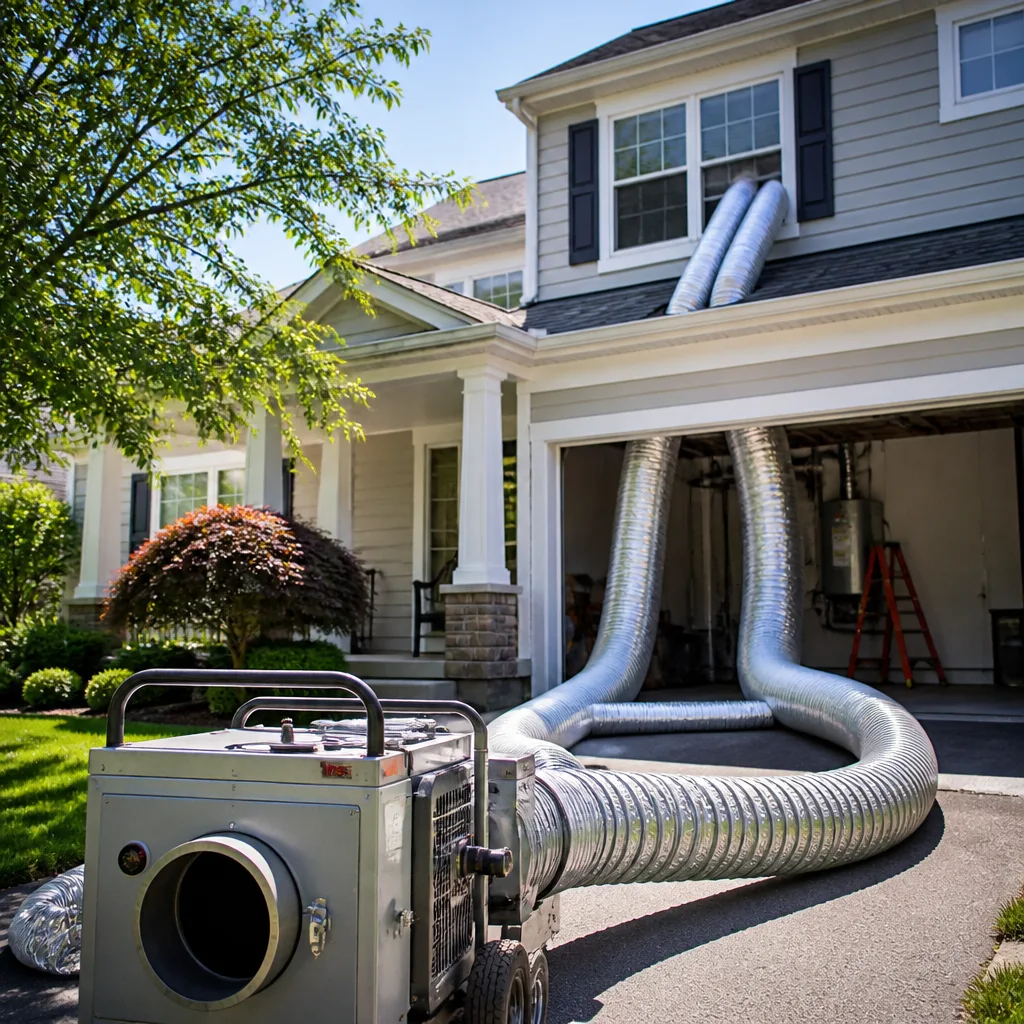 Whole-home duct cleaning
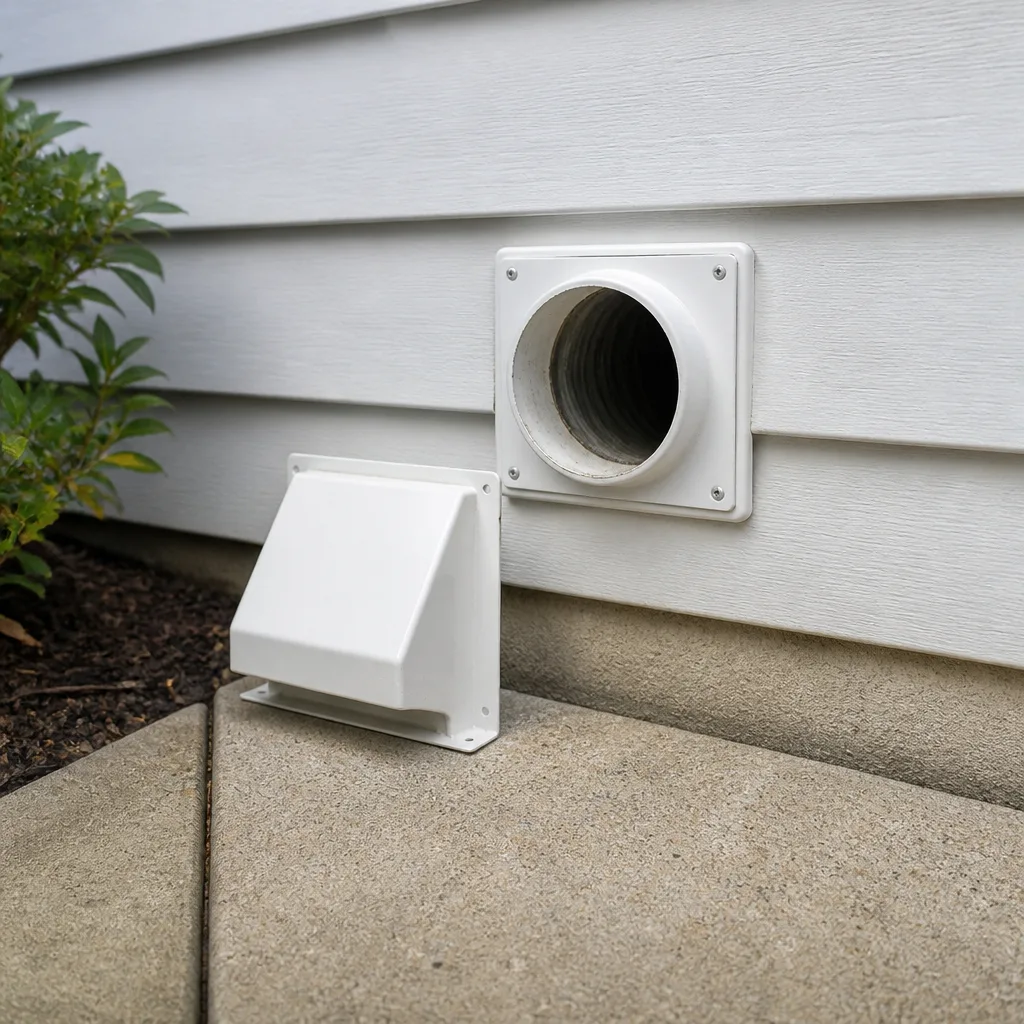 Dryer vent cleaning
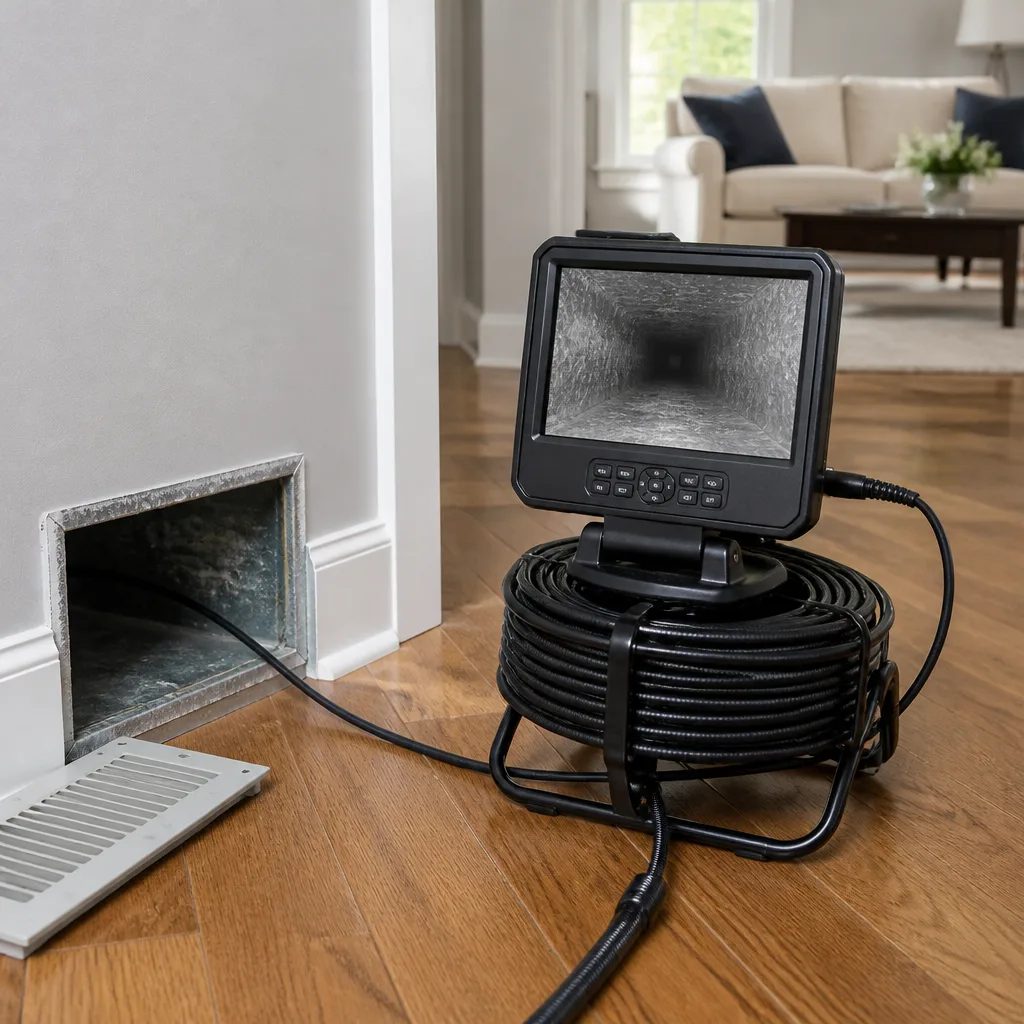 Camera inspection
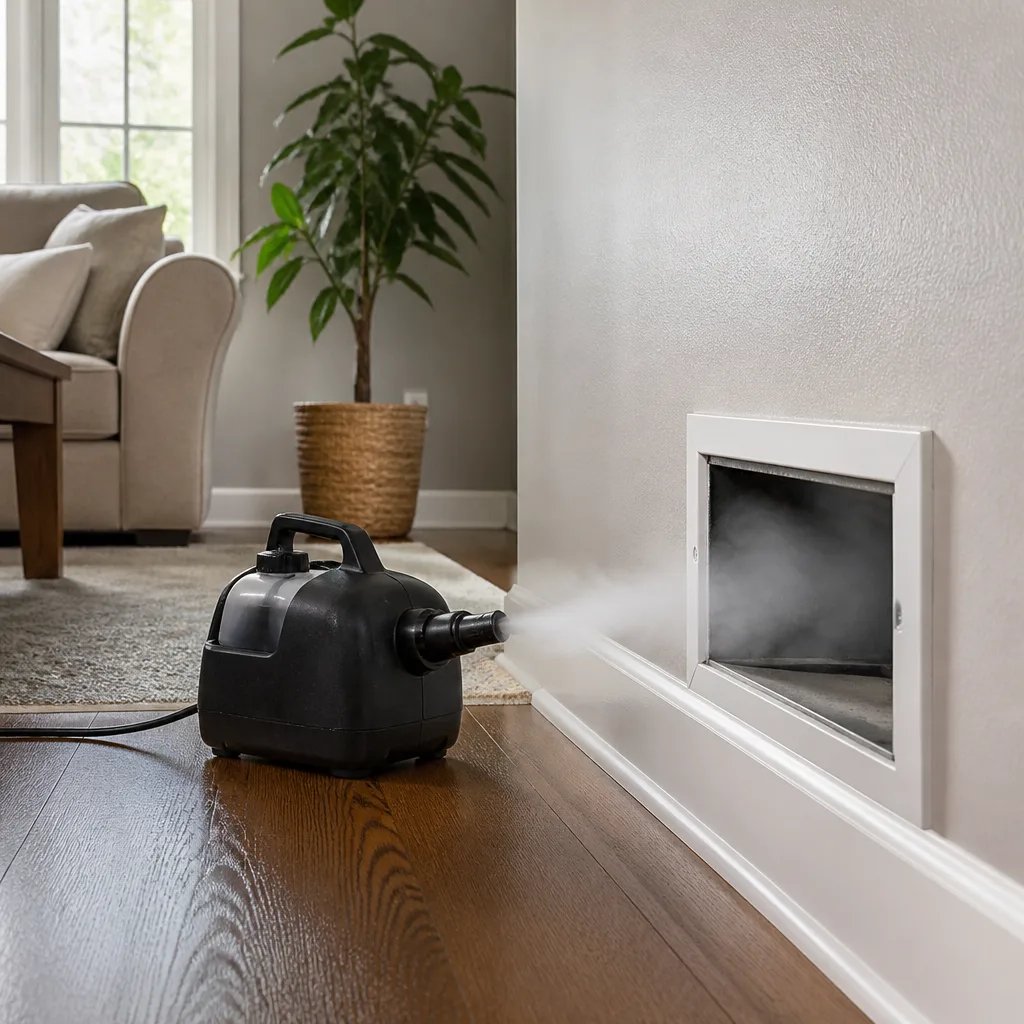 Sanitizing & deodorizing
Whole-system duct and dryer vent check with before-and-after photos - you see exactly what came out of your vents
That "$99 whole-house special" is a bait ad - the real number appears once they are in your hallway, or the "clean" is a shop-vac at the register. We photograph the inside of your ducts before and after instead.
Seasonal Air Duct Cleaning Care for Tremont: Year-Round Homeowner’s Guide
The worst time to discover your ducts are carrying summer humidity-driven mold growth is the first cold morning you turn on the heat, and that’s exactly when most Tremont homeowners find out. The system has been quiet for weeks. Then the furnace kicks on, warm air pushes through a duct network that’s been sitting damp and undisturbed since July, and every room in the house gets a share of what’s been growing in there. This guide breaks the year into four distinct stress windows for a Tremont duct system, explains what actually goes wrong in each one, and gives you a 12-month calendar of specific actions. Not a vague reminder to “check the ducts” – a sequence of checks tied to how the climate here actually behaves.
Styles & brands we work with
- Whole-home duct cleaning
- Dryer vent cleaning
- Camera inspection
- Sanitizing & deodorizing
Quick Answer
Air duct care in Tremont works best when it’s timed to the season, not repeated on a fixed schedule. The critical windows are the fall heat transition (when accumulated biological growth gets distributed through the house), winter (when heating equipment can introduce combustion byproducts), spring (when humidity begins condensing inside duct lining), and summer (when air conditioning creates the pressure and moisture conditions that favor growth). A single professional cleaning plus a short seasonal check calendar handles most homes better than repeated cleanings on no particular timing.
Table of Contents
- Why Tremont’s Four Seasons Create Four Different Duct Problems
- Fall: The Highest-Risk Window in the Tremont Duct Year
- Winter: Combustion Byproducts and What the Signs Tell You
- Spring: The Humidity Inflection Point and Condensation Inside Duct Lining
- Summer: Pressure, Moisture, and the Best Conditions for Growth
- Building Your 12-Month Tremont Duct Monitoring Calendar
- Signs Your Duct System Needs Attention Right Now
- Common Mistakes to Avoid
- When to Call a Professional
- Frequently Asked Questions
- The Bottom Line
Why Tremont’s Four Seasons Create Four Different Duct Problems
A duct system isn’t a static tube network. It’s a pressure vessel that changes character every time the outdoor temperature swings, and Tremont gets a full range of swings across the year. Cold winters mean the heating system runs hard for months. Humid summers mean the cooling system runs hard for months. The transitions on either end of those runs are when the duct interior gets the least attention and the system takes the most stress.
Most homeowners think about duct cleaning as a single decision: either the ducts need cleaning or they don’t. In our experience, the better question is when. A duct system that’s professionally cleaned in October and given a light seasonal check in April holds up far better than one cleaned in July and left alone. Timing matters because contamination doesn’t build at a constant rate. It accelerates during specific weather patterns and stalls during others.
Here’s how the four seasons break down for a Tremont home:
- Fall – the cooling system shuts off, the heating system starts, and everything that settled or grew in the ducts over the summer gets pushed into living spaces.
- Winter – extended heating operation stresses the system, and combustion heating equipment introduces a category of risk that air conditioning doesn’t.
- Spring – outdoor humidity climbs, the system swaps modes, and any cold surface inside the duct run becomes a condensation point.
- Summer – air conditioning creates the pressure differentials and moisture profile that make biological growth most likely.
Read those four lines again and notice that none of them is the same problem twice. That’s the core argument of this guide: a Tremont duct system doesn’t have one maintenance issue, it has four, and they arrive on a calendar.
If you’re starting from zero and the system has never been professionally cleaned, the right move is to get a baseline before trying to track seasons. A full air duct cleaning resets the system to a known condition. Everything in this guide is easier to follow from that starting point.
Fall: The Highest-Risk Window in the Tremont Duct Year
Fall is the single riskiest stretch of the Tremont duct year, and the reason is simple: the first heat cycle distributes whatever accumulated through the summer. When the cooling system has been running for months, the duct interior has been damp and cool. That’s a favorable environment for microbial growth, and the growth doesn’t announce itself. Then the furnace comes on, warm air moves through at volume, and every bit of settled material and biological growth gets lifted and carried into the rooms where your family sleeps.
This is why the first cold morning of the season is such a common discovery moment. The smell arrives before anything else. Homeowners describe a musty note in the air, sometimes briefly, sometimes for days. That’s the furnace doing the distributing.
What to do before the first heat cycle
- Schedule a pre-season inspection or cleaning. Aim to have this done before the heating system starts regular operation. In Tremont, that means before the first sustained cold stretch, not after.
- Change the filter. A clogged filter doesn’t just reduce airflow; it holds debris that the first heat cycle will push into the return.
- Check the return vents. Look at the grilles for visible dust, pet hair, or dark staining around the edges. Staining at the grille edge often points to a leak in the return path.
- Note any odor on the first heat cycle. If you smell something musty, don’t ignore it. That’s a signal, not a quirk of the season.
- Confirm the ducts are sealed. Gaps and loose joints let contaminated air in from unconditioned spaces such as attics and crawl spaces. Sealing before heating season is the cheapest way to protect the work a cleaning does.
Professional agitation and extraction matter here. Our technicians use Rotobrush and Nikro systems built specifically for duct interiors, which means the material that loosened over the summer gets mechanically dislodged and pulled out rather than just stirred into the airstream. That distinction is the whole game in fall.
Duct Repair & Sealing is the logical companion step to a fall cleaning. If you clean the ductwork and leave the leaks, you’re inviting contaminated air back in from the moment the heat comes on. We seal what we clean for exactly that reason.
Winter: Combustion Byproducts and What the Signs Tell You
Winter introduces a category of risk that the cooling season never does: combustion. If your Tremont home heats with natural gas, oil, or propane, the heating equipment produces combustion byproducts, and those byproducts belong in a flue, not in your ductwork. The two systems are supposed to be separate. When they aren’t, or when pressure imbalances pull exhaust into the living space, the ductwork becomes a delivery channel for something you don’t want delivered.
We want to be careful about how we frame this. We’re not telling you to investigate your own heating equipment. Combustion appliances involve real hazards, including carbon monoxide, and any servicing, inspection, or adjustment of burners, venting, or flues belongs with a trained heating professional. What we can tell you is what signs to watch for and what to do if you see them.
Signs that warrant immediate attention
- Backdraft odor. A sulfur or exhaust-like smell near the furnace area when the heat is running.
- Headaches, nausea, or dizziness in the household that seem tied to heating operation.
- Soot or dark staining near supply registers, especially if it appeared suddenly.
- Excess moisture on windows and cold surfaces that shows up when the heat runs.
- A carbon monoxide alarm going off – leave the home and call the appropriate emergency line, then have the heating system inspected.
Those signs aren’t duct cleaning signals. They’re heating system safety signals. If they appear, shut the system down and get a qualified heating professional out before running it again. Once the heating system is confirmed safe, a duct assessment makes sense, because ducts that carried contamination in from a combustion event hold that residue until they’re professionally cleaned.
Beyond the safety question, winter is also when the duct system sees the most continuous operation. Weeks of steady running move a lot of air through a lot of ductwork. Filters load up faster, grilles get dusty faster, and any weak joint in the system gets tested. Winter is the season to look, listen, and take notes. If something feels off, write it down. That record becomes the input to your spring decision.
For homes running high-efficiency systems and heat pumps, winter is less about combustion and more about long run times. If you’re tracking airflow problems across the whole system, our page on HVAC cleaning explains what a full system cleaning covers beyond just the ducts.
Spring: The Humidity Inflection Point and Condensation Inside Duct Lining
Spring is where Tremont’s humidity profile turns, and this is the transition most homeowners miss. Cold, dry winter air keeps duct interiors dry. Then outdoor humidity climbs, warm moist air finds its way into the system, and any surface inside the ducts that’s still cool becomes a condensation point. That’s especially true for ducts running through unconditioned spaces that stay cooler longer than the rest of the house.
Condensation inside duct lining is the quiet precursor to mold. It doesn’t announce itself with a smell. It just provides the moisture that a dormant spore population needs to reactivate. Once that moisture is present and the temperature is in a hospitable range, growth picks up again, and it picks up in a location you can’t see.
What to check during spring
- Look for moisture at the supply registers. Water marks, soft drywall around the register, or a cool damp feel to the grille.
- Check insulated duct runs. Duct insulation that’s been compressed, torn, or soaked loses its ability to prevent condensation. In a Tremont attic or crawl space, that’s exactly where to look.
- Note any new musty odor when the AC first runs. The first cooling cycle after winter does the same thing the first heat cycle does in fall – it moves what’s been sitting.
- Verify the drain path. Condensate from the cooling coil needs to flow out. A stopped or slow drain backs moisture up into the system.
- Address air sealing. Leaky ducts pull humid outdoor air in. In spring, that’s more moisture than the system should handle.
Air Quality & Sanitizing is the service step that pairs with a spring inspection. Traditional cleaning removes debris. Sanitizing treats the surfaces that supported growth, which is the difference between removing what was there and addressing what could return. We treat the duct surfaces as a system, not a set of tubes.
If you want the full picture of what inspection and cleaning involve in a home that’s never been serviced, the pillar page on air duct cleaning in Tremont walks through the process step by step.
Summer: Pressure, Moisture, and the Best Conditions for Growth
Summer is the season that creates the conditions the fall cleanup has to deal with. When an air conditioning system runs, the ducts are cooler than the surrounding air, and the system’s pressure balance shifts. Supply ducts run under positive pressure. Return ducts run under negative pressure. Any leak in a return duct pulls unconditioned air in from wherever that duct passes through – an attic, a crawl space, a garage ceiling. That air isn’t clean. It’s air from the least controlled spaces in the house.
Meanwhile, the cooling coil is condensing water out of the air all summer. If the drain pan or drain line isn’t flowing cleanly, moisture sits in or near the system where it can feed growth. The duct interior itself becomes cool and humid. That’s the ideal combination for biological growth, and it’s why summer is the season when growth conditions are most favorable.
What most Tremont homeowners miss is that this isn’t about the ducts getting dirty in summer. It’s about the ducts becoming a favorable habitat. Dust and debris were always there. Summer adds the moisture and temperature that turn them into something else.
Summer monitoring actions
- Clear the condensate path. Check that the drain pan is draining and the line isn’t clogged with algae or debris.
- Watch for moisture around the air handler. Standing water, damp insulation, or a musty smell in the mechanical space.
- Note increased dust on registers. More dust near grilles in summer often means the system is pulling from an uncontrolled source.
- Check that return grilles are unobstructed. Furniture, rugs, and storage blocking a return starves the system and unevenly pressurizes the home.
- Look for gaps where ducts pass through walls and floors. In a Tremont home with a garage, attic, or crawl space, those transitions are the usual leak points.
Abatement Technologies air filtration equipment is what we bring to summer jobs where airborne particulate control matters – the same class of equipment remediation professionals use. If you’re pursuing seasonal cleaning to control dust in a home where someone has allergies, that equipment is a meaningful part of the answer.
If you have a dryer vent on an exterior wall that runs through a hot space, summer is also when blocked lint becomes a real fire concern in many homes. Our dryer vent cleaning service is separate from duct cleaning, but it’s part of the same hot-weather risk picture in any home with an exterior vent run.
Building Your 12-Month Tremont Duct Monitoring Calendar
A vague reminder to “check the ducts” gets ignored. A calendar with specific actions tied to specific months gets followed. Here’s the calendar we recommend for a Tremont home. Adjust the exact months to the year’s weather, but keep the sequence.
- Late August to early September: Book a pre-fall cleaning or inspection. This is the highest-value slot in the year because it precedes the highest-risk transition.
- First week of September: Change the filter. Take a photo of it and save the date so you can compare next year.
- Before the first heat cycle: Walk the house and check every return and supply grille for staining, dust accumulation, or looseness. Note anything unusual.
- First week of heating operation: Pay attention to smell. A musty or dusty odor that persists past a couple of days is worth a call.
- Midwinter (January or February): Change the filter again. Check for soot or dark staining near registers. Confirm carbon monoxide alarms are functioning.
- Early March: Look for condensation or water marks at supply registers and around the air handler. Book a spring inspection if anything looks wet.
- April or May: Have the system sanitized if there’s been any moisture event, musty odor, or growth history. Confirm duct sealing is intact.
- Early June: Clear and check the condensate drain path before the AC runs hard.
- July: Check airflow at each register. Note any room that’s weaker than the others – that’s often a duct leak or a damper issue, not a refrigerant problem.
Nine touchpoints across a year isn’t a lot of work, and most of them take under ten minutes. What it produces is a record. When you do call a professional, you can say what changed, when it changed, and where. That’s far more useful than “the air feels weird.”
One important note: the calendar above is a monitoring schedule, not a cleaning schedule. Most homes don’t need professional cleaning every year. They need it when the conditions in this guide point toward it.
Signs Your Duct System Needs Attention Right Now
Not every problem waits for the next scheduled touchpoint. Some signals say stop planning and get the system looked at. Here’s the list we’d act on:
- Musty or moldy odor that appears when the system starts and doesn’t clear after a day or two.
- Visible dust trails coming out of supply registers, especially if you’ve recently changed the filter.
- Unexplained allergy symptoms that worsen when the system runs and improve when it doesn’t.
- A sudden jump in dust on surfaces after a period of normal dust levels.
- Whistling or whooshing at registers that wasn’t there before – often a sign of a leak or a restriction.
- Uneven heating or cooling between rooms that share a system.
- Water staining or dampness near any vent, register, or air handler.
- Pest evidence – droppings, nesting material, or scratching sounds in the duct runs.
Two years for family rooms with pets, one year for homes with allergy concerns or a history of moisture in the system, and longer intervals for homes that stay dry and clean – that’s a reasonable general split. But “should” always gets overruled by a signal on the list above. If any of those show up, schedule the assessment regardless of where you are in the calendar.
Common Mistakes to Avoid
- Cleaning in fall without addressing the leaks. A cleaning frees the ducts, and then every leak pulls contaminated air back in. Sealing has to happen with or immediately after the cleaning for the work to hold.
- Guessing that summer isn’t a risk because the ducts are cooler. Cooler is exactly the problem. Cool duct surfaces in a humid Tremont summer are the ideal surface for condensation and growth.
- Skipping the first-heat-cycle check every year. The reason the first heat cycle is the discovery moment is that it’s also the best diagnostic moment. Note the smell, note the dust, and use it as next year’s baseline.
- Treating a carbon monoxide or soot signal as a duct issue. Those are heating system safety signals. Shut the system down and call a heating professional first, then address the ducts.
- Replacing the filter only when it looks completely clogged. By the time it’s fully loaded, the filter stopped doing its job weeks ago. A calendar beat is more reliable than eyeballing.
- Letting a handyman or a shop-vac operation pass for duct cleaning. Surface-level suction doesn’t agitate the duct interior, doesn’t extract what’s clinging to the lining, and doesn’t address the biological side. Professional-grade equipment used on every job is the difference between cleaning the ducts and cleaning the grilles.
- Ignoring musty odors in spring because “it’s just the season.” Spring odors are often the first sign that condensation has started inside the lining. The window to address it cheaply is short.
When to Call a Professional
Call when the calendar has done its job and the answer still isn’t obvious, or when a signal on our list has appeared. Specifically: a musty odor that persists past the first heat cycle, visible dust trails from registers, water staining near a vent, pest evidence in the ductwork, a system that has never been professionally cleaned, or a recent renovation that generated construction dust. Those are all scenarios where a professional assessment saves you from guessing.
Air Duct Cleaning Tremont offers free estimates in Tremont. We scope the full air pathway – duct interiors, the air handler, the returns, the sealing, and the sanitizing – and give you one flat price per system agreed before work starts. Our technicians have up to 8 years of experience, and we use Rotobrush and Nikro for agitation and extraction, Abatement Technologies for airborne particulate control, and Guardsman-grade surface protection in finished spaces. Before-and-after photos of your own system come with the job, so you know it was actually done.
Call (833) 468-5768. We answer 24/7. Fast dispatch from 7am to 7pm, Sunday through Friday.
Frequently Asked Questions
Most Tremont homes do well with professional cleaning every two to three years, with seasonal checks in between. Homes with pets, allergy concerns, a recent renovation, or any moisture event in the duct system usually need cleaning closer to every one to two years. Timing the cleaning to the fall transition gives you the most protection for the heating season. Call (833) 468-5768 for an exact quote – estimates are free.
Fall is the highest-risk season because the first heat cycle distributes whatever accumulated in the ducts through summer. The cooling system leaves the duct interior cool and damp for months, and the heating system then pushes that material into your living space at volume. Cleaning or inspecting before the first sustained heat cycle prevents that distribution. Call (833) 468-5768 to schedule a pre-season assessment.
A brief dusty smell on the first heat cycle is normal and usually settles within a day. A musty, moldy, or exhaust-like odor that persists past that window is a duct or combustion ventilation signal worth investigating, and an exhaust or sulfur smell should be treated as a heating system safety issue and shut down until a heating professional checks it. Once the heating system is confirmed safe, a duct assessment tells you whether the ductwork holds residue. Call (833) 468-5768 for a free duct estimate.
Yes. Condensation inside duct lining is one of the most common precursors to duct mold because it provides the moisture that dormant spores need, in a place nobody can see. Tremont’s spring humidity swing is when this happens most often, especially in ducts that pass through attics, crawl spaces, or other unconditioned areas. Regular spring inspection catches it early. Call (833) 468-5768 to schedule an inspection.
Air duct cleaning in Tremont is priced per system, not per vent, and the written estimate you get before work begins is the final price. That structure exists because vent count tells you almost nothing about the actual work – system size, accessibility, contamination level, and whether sealing is needed all matter more. Call (833) 468-5768 for a free estimate on your specific system. One flat price per system agreed before work starts.
Extremely low quotes usually mean per-vent pricing that balloons once the technician is on site, or they reflect surface-level suction work without proper agitation or extraction equipment. The cheap quote isn’t a cheaper version of the same job – it’s a different, smaller job with a taller final invoice. Ask for whole-system pricing, ask what equipment is used, and ask for before-and-after photos. Call (833) 468-5768 for a free estimate with a real scope and one flat price.
Before-and-after photos of your own duct system are the simplest verification and the standard we hold ourselves to. Beyond photos, look for scope documentation showing what was cleaned and what wasn’t, and any sanitizing or sealing steps recorded separately from the cleaning. If a company can’t show you the state of your ducts before and after, you don’t have proof of the work. Call (833) 468-5768 – before-and-after photos come with the job.
The Bottom Line
A Tremont duct system doesn’t have one maintenance problem – it has four, and they arrive on a seasonal calendar. Fall is the highest-risk window because the first heat cycle distributes whatever accumulated through summer. Winter brings combustion safety questions that belong with a heating professional, not a duct cleaner. Spring is when humidity condenses inside duct lining, and summer is when the pressure and moisture conditions favor growth. Time the cleaning to precede fall, monitor through the other three seasons, and let a specific signal rather than the calendar trigger any additional work. One professional cleaning, a nine-point monitoring year, and sealing to protect both.
If you’re ready to get the system assessed for the season ahead, Air Duct Cleaning Tremont offers free estimates and one flat price per system agreed before work starts. Call (833) 468-5768. We answer 24/7. Fast dispatch from 7am to 7pm, Sunday through Friday.
Written by the team at Air Duct Cleaning Tremont.
See the difference
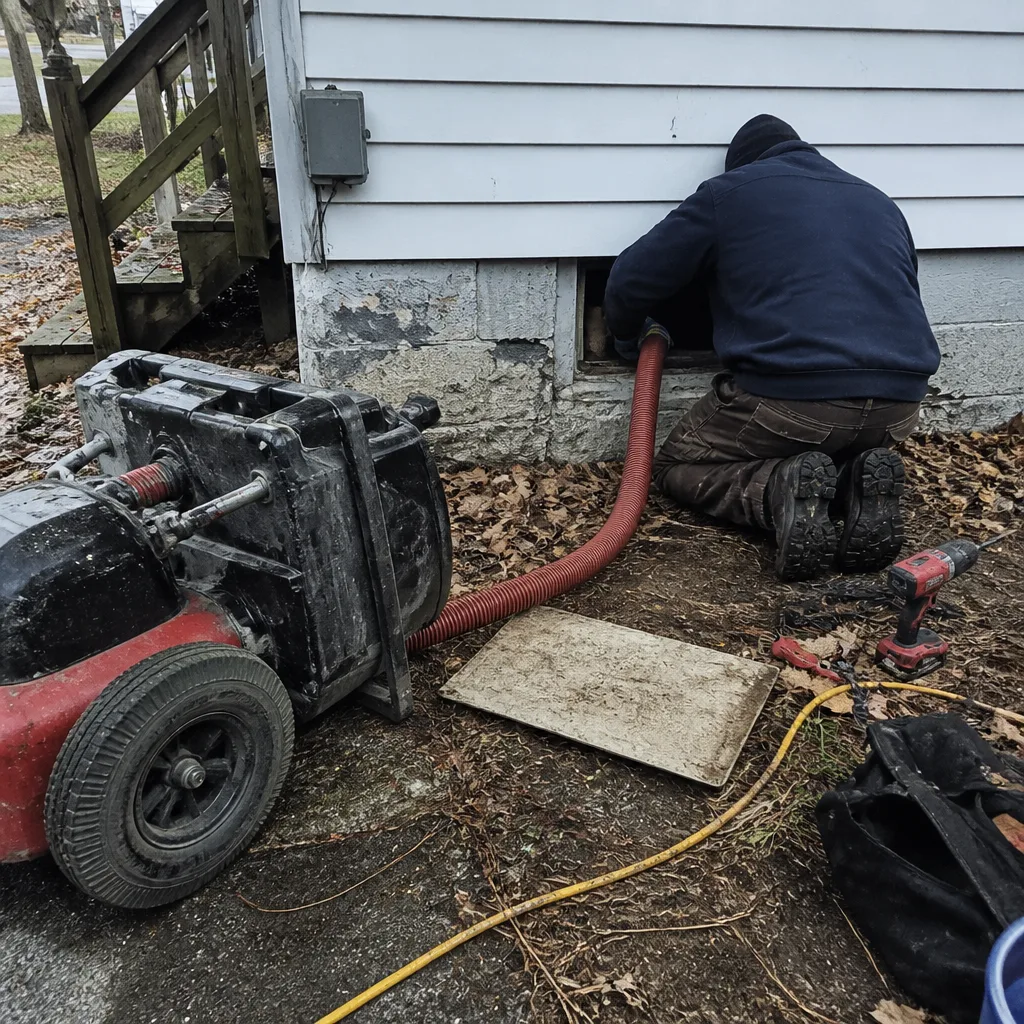 Before
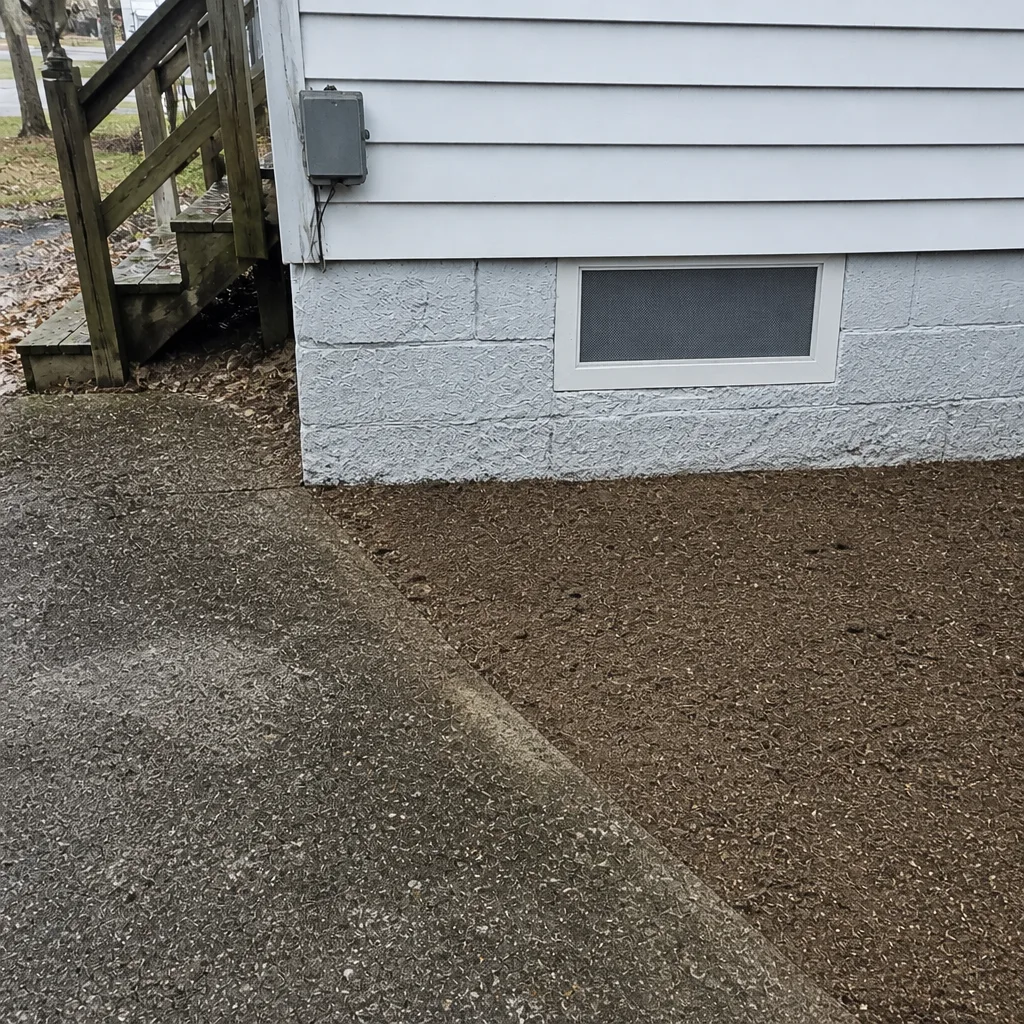 After
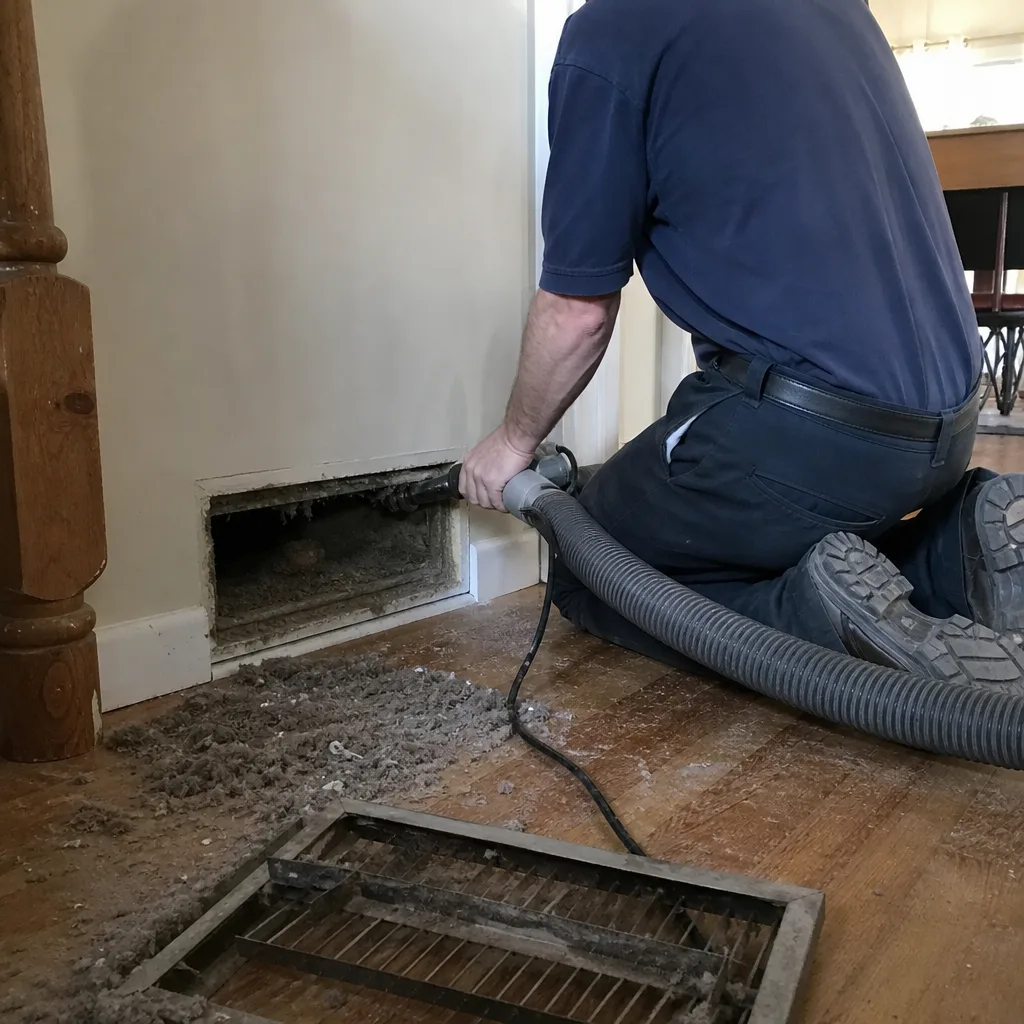 Before
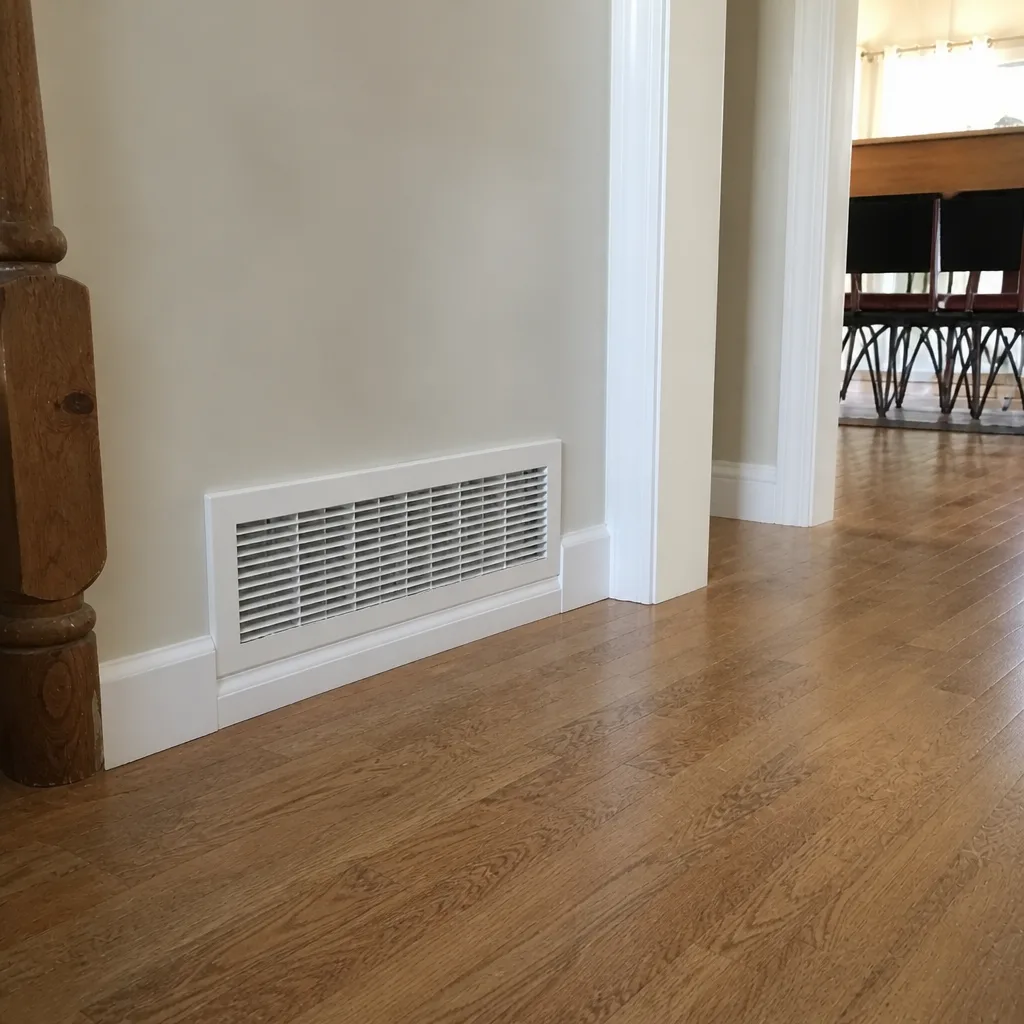 After
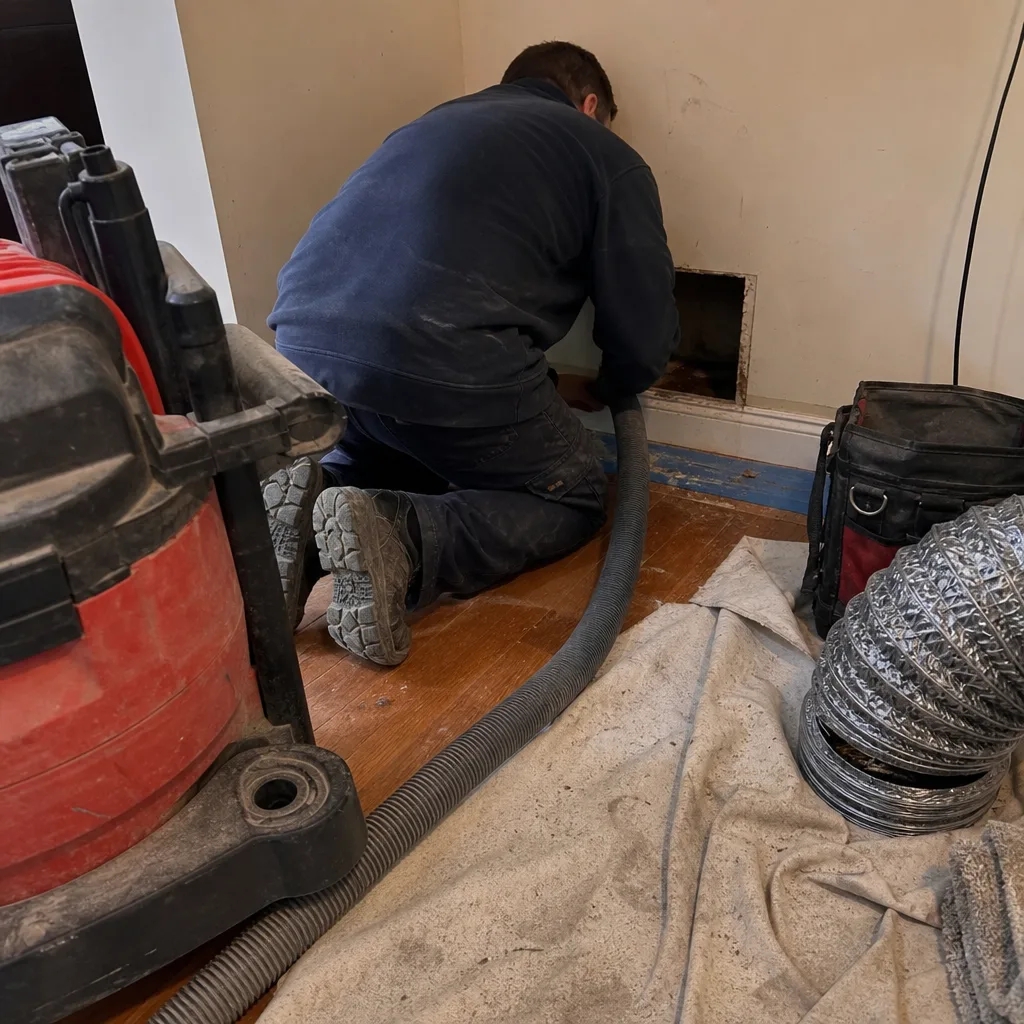 Before
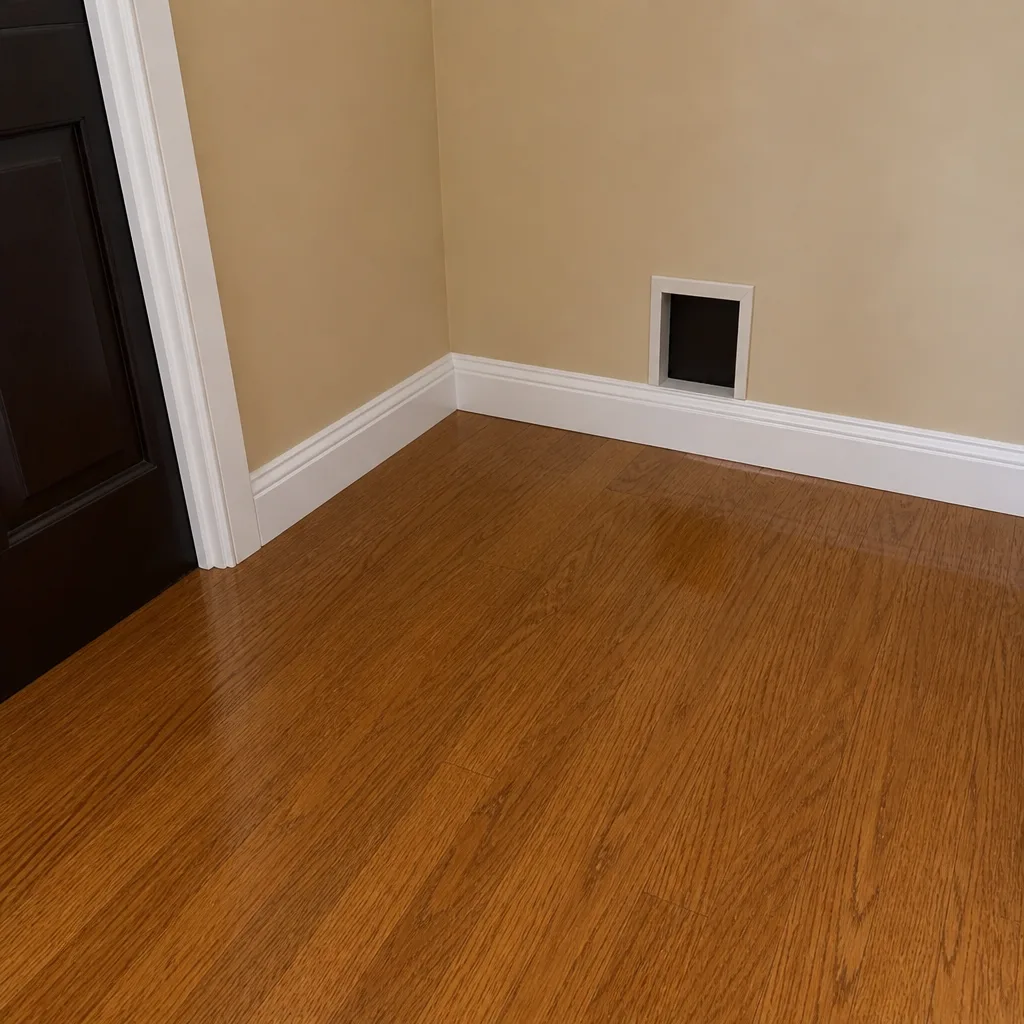 After