
Last updated November 22, 2026
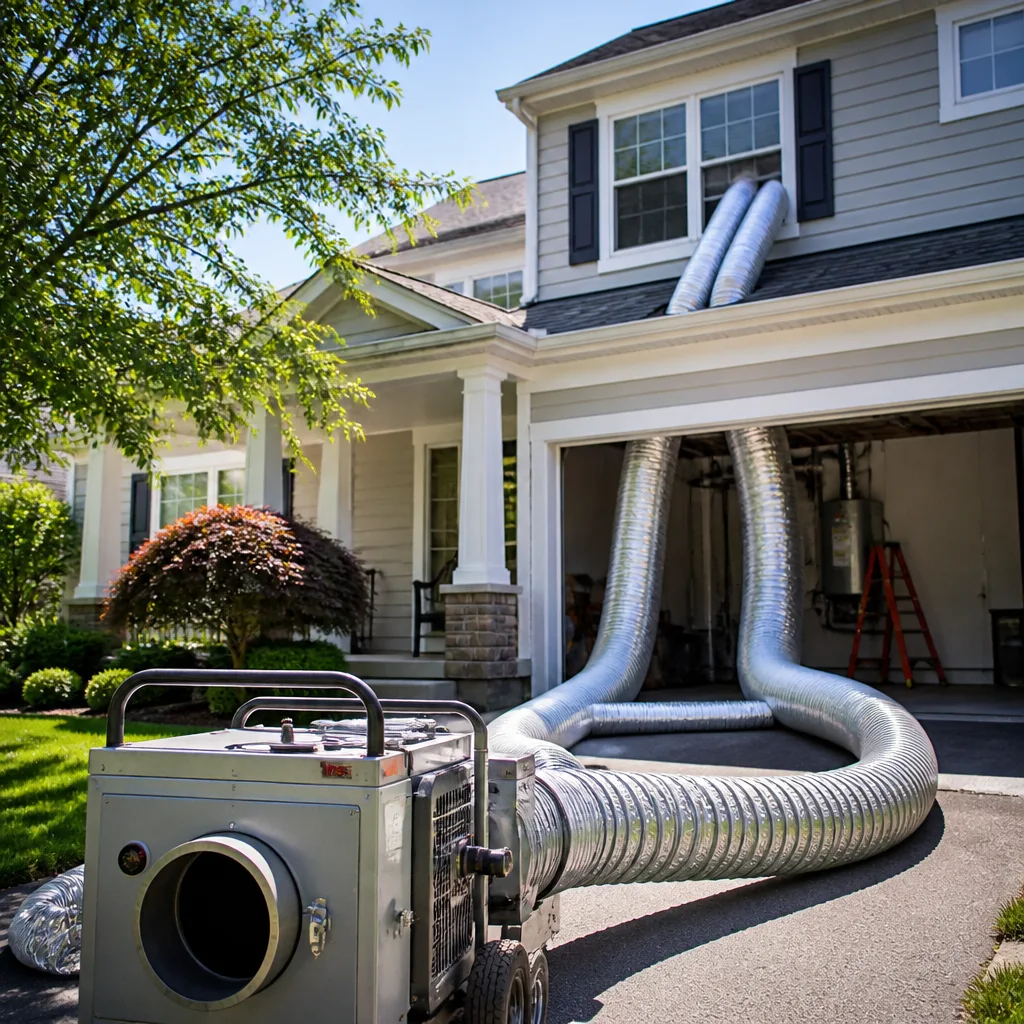 Whole-home duct cleaning
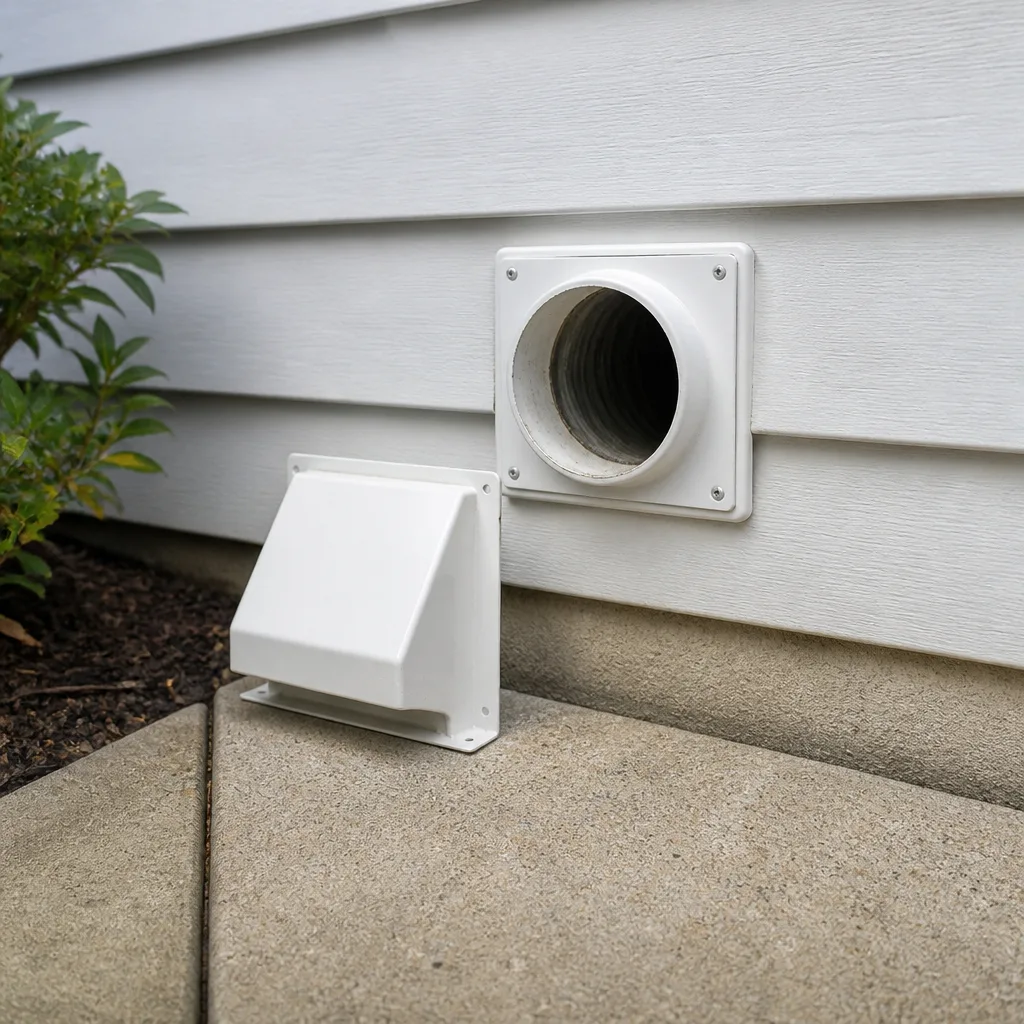 Dryer vent cleaning
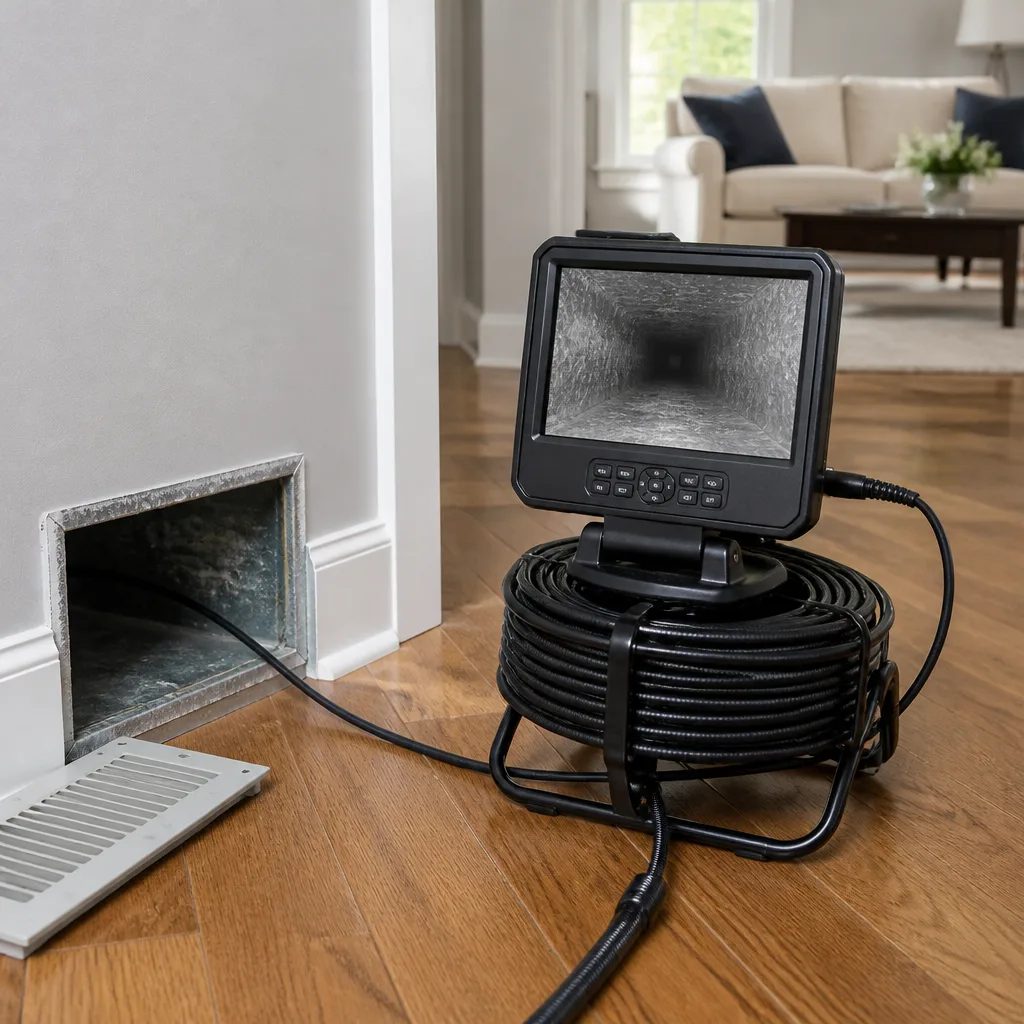 Camera inspection
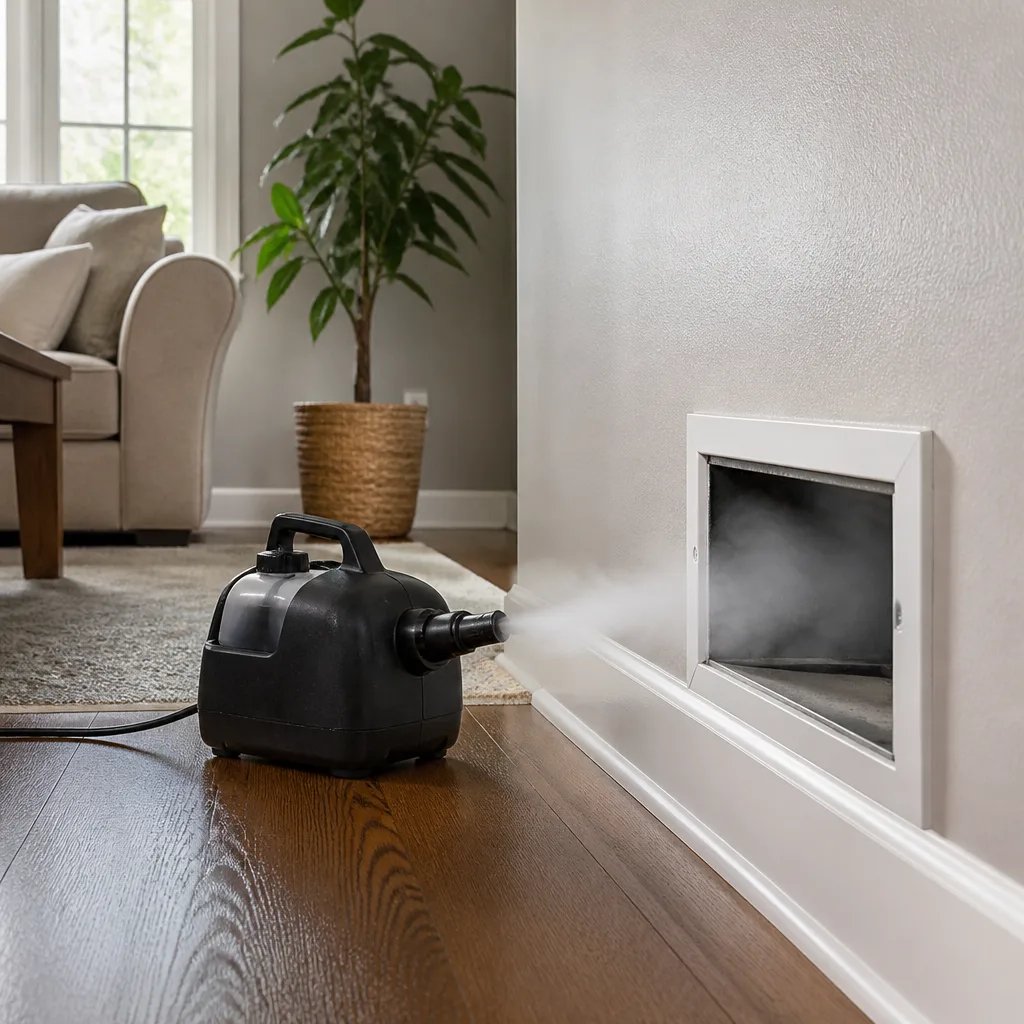 Sanitizing & deodorizing
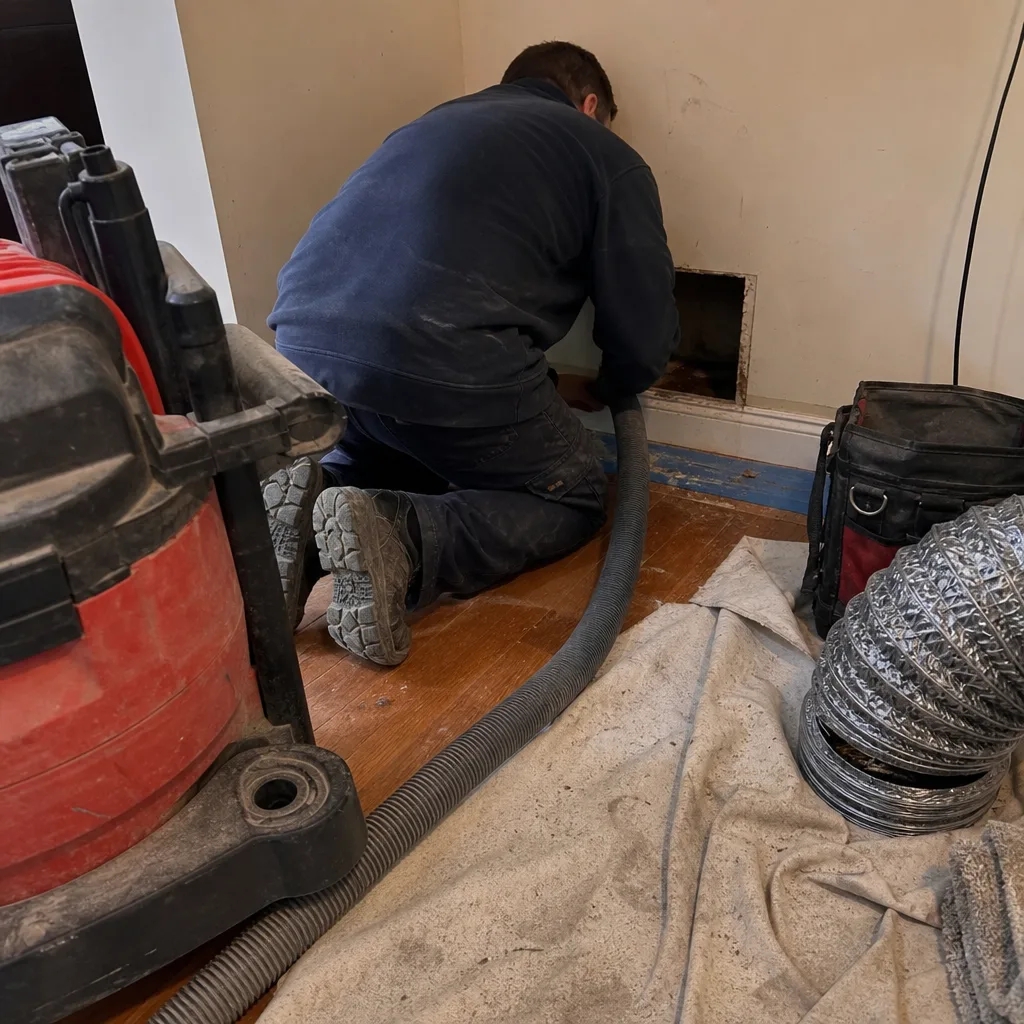
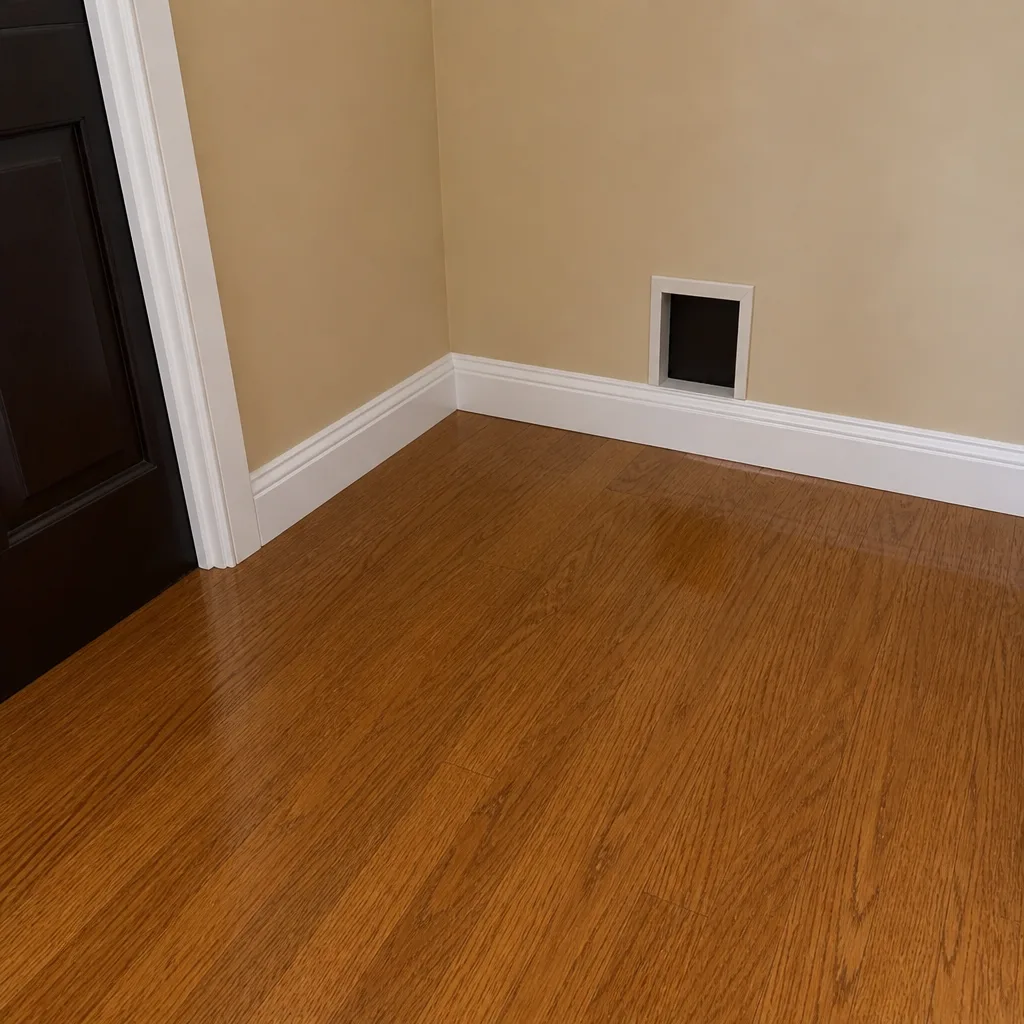
Whole-system duct and dryer vent check with before-and-after photos - you see exactly what came out of your vents
That "$99 whole-house special" is a bait ad - the real number appears once they are in your hallway, or the "clean" is a shop-vac at the register. We photograph the inside of your ducts before and after instead.
DIY vs Professional Air Duct Cleaning: The Tremont Homeowner’s Decision Guide
Most advice on this topic splits into two camps: “just vacuum your vents” and “never touch your ducts yourself.” Neither is honest. A consumer-grade duct cleaning kit generates roughly 1/20th the suction pressure of a truck-mounted professional unit. That single number explains almost everything about what DIY can and can’t do in a Tremont home: a shop-vac and a brush can disturb debris, but it typically can’t extract it fully, which means some of what you loosen ends up redistributed through the system instead of removed. This guide draws a clear technical line between what homeowner tools genuinely accomplish and what requires negative pressure and professional brush systems. By the end, you’ll be able to look at your own duct system and make a real decision, not a fearful one.
Quick Answer
DIY air duct cleaning in Tremont is reasonable for surface grille cleaning, register vacuuming, and loose debris in short, accessible duct runs you can actually see and reach. Everything else – deep contamination, mold, post-renovation or post-flood debris, long flex runs, and systems lined with internal insulation – needs professional negative pressure and mechanical agitation equipment that homeowners can’t rent. If you’re uncertain which situation you’re in, a professional assessment is the honest starting point.
Styles & brands we work with
- Whole-home duct cleaning
- Dryer vent cleaning
- Camera inspection
- Sanitizing & deodorizing
Table of Contents
- What DIY Duct Cleaning Can Actually Accomplish
- The Suction Gap: Why Pressure Matters More Than Power
- When DIY Is the Right Call in Tremont
- When DIY Is Counterproductive
- What Professional-Grade Equipment Actually Does
- How to Assess Your Own Duct System Honestly
- Why Cleaning Without Sealing Is Half a Job
- The Sanitizing Question: Looks Clean vs Is Clean
What DIY Duct Cleaning Can Actually Accomplish
We’re not going to tell you a homeowner with a good shop-vac and a brush kit is helpless. They aren’t. There’s a real set of tasks within reach, and anyone selling you a full professional service for one of them is overselling.
Here’s the honest inventory of what DIY handles well in a typical Tremont home:
- Register and grille cleaning. Removing supply and return covers and washing them in a sink removes visible dust and film that’s easy to see and easy to reach.
- Surface vacuuming inside the register boot. The first few inches past the opening collect most of what a homeowner notices. A brush attachment on a shop-vac reaches this zone.
- Debris in short, straight, rigid duct runs. If you can see a duct run start to finish and it’s short, mechanical brushing with a hand kit can accomplish real cleaning.
- Dryer vent lint buildup in short runs. Even dryer vent work has a DIY floor: the first foot or two at the appliance end is reachable, and lint accumulation there is common and worth clearing.
What all four share: they’re at the system’s edges. The moment the work requires going deep into a run, following a turn, or reaching beyond the range of a hand brush, DIY hits a wall that has nothing to do with effort. In Tremont homes built in the mid-twentieth century, that first turn is often within a few feet of the register, which means the reachable zone is smaller than the homeowner assumes.
The Suction Gap: Why Pressure Matters More Than Power
A shop-vac is a strong vacuum. That’s the trap. It’s strong at the hose opening and it moves high volume, but it doesn’t generate the sustained negative pressure across an entire duct run that keeps loosened particles airborne and moving toward the vacuum instead of settling back into the system.
Professional truck-mounted or trailer-mounted extraction units pull a continuous vacuum across the whole run, sealed at both ends, so the pressure gradient is maintained from the farthest register back to the collection point. When the brush loosens debris, the pressure carries it out. A shop-vac running at one register has no sealed system – air enters freely through the other registers, pressure equalizes, and the “suction” the homeowner feels at the hose hardly exists ten feet into the duct.
Picture the practical result. You run a hand brush into a duct, it scrubs the walls, and the loosened dust hovers. Some of it gets picked up. Some drifts into other runs. Some settles in the low spots. The next time the system runs, that dust comes back out through the registers into the room. We’ve seen this pattern in Tremont enough times to know it’s the single most common outcome of DIY duct cleaning, and it isn’t dangerous – it’s just mechanically limited.
| Capability | Consumer Shop-Vac + Brush Kit | Professional Negative-Pressure System |
|---|---|---|
| Suction pressure | Roughly 1/20th of professional extraction | Continuous, sealed-system negative pressure |
| Reach into a run | Limited to the brush’s physical length | Full-system reach via rotating flexible shaft |
| Agitation | Hand brush, no rotation | Rotating contact brushes and pneumatic agitation |
| Particulate control | Whatever the shop-vac filter catches | HEPA-filtered air filtration during the job |
| Internal insulation lining | Risk of damage from brushing | Controlled approach with the right tool for the surface |
| Sealing of leaks | None | Sealing after cleaning to prevent re-entry |
That doesn’t mean DIY is worthless. In terms of the jobs it can genuinely handle, it works. It means the decision should be made based on what the job actually is – not on effort, confidence, or how strong your vacuum feels at the hose.
When DIY Is the Right Call in Tremont
Certain duct cleaning jobs genuinely don’t require a professional, and we’ll say so plainly. Calling a specialist for any of these is a waste of your time and money.
- Post-renovation debris in accessible runs. Drywall dust, sawdust, and light construction debris often land in the first section of duct after a small renovation. If the affected run is short and reachable, a brush kit and shop-vac handle it. Cap the registers before the next renovation and you’ll barely have this problem.
- Lint accumulation at the dryer transition duct. The short flexible duct between the dryer and the wall is a genuine DIY zone. Clean it out, check that it isn’t crushed or sagging behind the dryer, and reconnect it without kinks.
- Surface grille cleaning. Visible dust on return and supply grilles is a household cleaning issue, not a duct issue. Pop them, wash, dry, reinstall. Do it seasonally.
- Light dust you can see and reach. If a flashlight shows light dust in a straight run and your arm reach plus the brush kit covers it, clean it. Just don’t expect the brush to do more than scrub where it actually goes.
There’s a seasonal angle in Tremont worth mentioning: heating season is long here, and the first week the heat kicks on after months of disuse is when accumulated dust in the supply runs blows into the rooms most noticeably. If a homeowner wants to address that at the household level, cleaning return grilles and vacuuming the reachable boot at each register before the first cold snap makes a real difference in what actually reaches the air.
Dryer vent cleaning has its own decision line: dryer vent cleaning done well includes clearing the full run, not just the visible opening. A short, straight vent that exits a few feet from the dryer is within DIY reach. A long run through a wall and out a roof or side vent is not.
When DIY Is Counterproductive
There are specific conditions where a homeowner attempt doesn’t just fall short – it spreads contamination or damages the system. These are worth knowing before you start, because some are hard to identify without looking inside the system.
- Active mold growth. If you see dark staining, smell a persistent musty odor, or notice visible growth near registers, DIY brushing will aerosolize spores. That’s a job for professional containment and HEPA filtration, not a shop-vac with a paper filter.
- Post-flood or water-damaged systems. Water intrusion in ductwork changes the situation entirely. Insulation lining absorbs water and stays damp, and the contamination is both microbial and structural. A house in Tremont that has had any flooding – even a small basement water event that reached the HVAC equipment – is a professional job from the start.
- Long flex duct runs. Flex duct is corrugated, has ridges that trap debris, and sags in low spots. A hand brush can’t follow a long flex run, and forcing it through can tear the inner lining. The result is a compressed, damaged duct that moves less air than before you touched it.
- Systems with internal insulation lining. Duct board and internally lined sheet metal trap debris in a way that a brush can’t remove evenly. DIY brushing pushes some of the debris deeper into the lining. The right approach requires the correct tool for a soft interior surface, and that means a professional who can choose it correctly.
- Pest or rodent contamination. Droppings, nesting material, and the associated pathogens in ductwork are a genuine health concern. Containment and full extraction are non-negotiable here – this is a both-ends-sealed job.
There’s also the question of the system itself. Duct cleaning and the broader HVAC cleaning that often needs to accompany it – evaporator coil, blower, drain pan, and cabinet interior – are areas where DIY access is limited or nonexistent. The register-visible duct is a fraction of the whole air pathway. The parts of the system the homeowner never sees are often where contamination actually lives.
What Professional-Grade Equipment Actually Does
Professional duct cleaning isn’t one tool – it’s a coordinated system that addresses the parts of the job a shop-vac can’t touch. Anyone who arrives with just a big vacuum and a hose isn’t running a professional job. Three components do the real work.
- HEPA-filtered negative air machines. These are set up to create a continuous pressure differential across the duct system, sealed at the extraction end and drawing through HEPA filtration. Every particle loosened by agitation has one direction to travel: toward the machine. This is the piece that prevents redistribution. Abatement Technologies filtration equipment is built for exactly this kind of containment – it’s the same lineage used in professional remediation, and it’s what we bring to Tremont jobs for airborne particulate control.
- Rotating contact brushes. Rotobrush systems drive a rotating brush through the run on a flexible shaft, scrubbing the full circumference of the duct interior and dislodging debris on all sides, not just the surface a hand brush reaches. The rotation follows turns and maintains contact pressure through the length of the run.
- Pneumatic agitation tools. Compressed-air tools send controlled bursts through duct interiors to loosen debris from corners, joints, and low points where a brush can’t generate the right scrubbing action. Nikro air tools are part of this stage. Combined with the brush pass and the negative pressure, you get agitation plus extraction in sequence: loosen, then remove, in one continuous operation.
Add to that list a fourth step most homeowner guides skip: sealing. Every joint, seam, and register boot that leaks air also leaks dust back into the system. Cleaning thoroughly and skipping the sealing step leaves the system refilling with contamination from the space around the ducts. That’s why we hold to two principles on every job: professional-grade equipment, not improvised tools, and we seal what we clean. The two together are what make the difference.
Our technicians have up to 8 years of experience, and the equipment we use on a Tremont job is purpose-built duct cleaning equipment – not a shop-vac with a longer hose. That matters for the outcome and for whether the debris actually leaves your house or just moves around inside it.
How to Assess Your Own Duct System Honestly
The most useful thing we can give a Tremont homeowner is a checklist that produces an honest answer. Not every home needs a full professional cleaning. Some do. The way to know is to look at the system, not to choose a side in advance.
Walk through this assessment at home, ideally with a flashlight and a notepad. Do it when the system is off.
- Check every visible register and return. Look for dust streaks around the grille edges, dark staining on the metal, and visible dust film inside the boot. Heavy streaking often points to a leak at the grille – a sealing issue, not just a cleaning one.
- Look at the return side more carefully than the supply side. The return usually carries the most dust because it pulls unfiltered air from the room. Dark outlines around a return grille are a signal that the filter isn’t catching what it should.
- Note the smell. A musty or “dirty sock” odor that shows up when the fan runs, and goes away when it stops, is a strong indicator that contamination is sitting in the system – not just in the room. Don’t decide on cleaning until that smell is understood.
- Find and inspect the duct type where visible. Look behind any accessible panel, in a basement or utility closet, or near a register where you can see past the boot. Rigid sheet metal is a different situation from corrugated flex duct, which is different again from duct board. The duct type drives the decision more than anything else.
- Check the filter and the filter housing. If the filter is loaded to the point of collapse, or if dust passes it visibly, the duct system is pulling unfiltered air. A filter upgrade – Aprilaire and Honeywell filter products are the ones we work with – can make a real difference to what reaches the system at all.
- Look at the air handler and coil area if you can reach it. Debris on the blower wheel or evaporator coil isn’t a duct cleaning job, it’s an HVAC cleaning job. If the access panel shows signs of buildup, note it and get it evaluated. This is also where a lot of system contamination starts.
What the checklist produces is a category: household-level cleaning, professional cleaning, or something else entirely (mold, pest, water damage). Once you’re in the right category, the DIY-versus-professional question mostly answers itself. A register cleaning with a light dust film is a Saturday project. A dark-stained return with a musty smell and long flex runs is not.
Why Cleaning Without Sealing Is Half a Job
Here’s the uncomfortable truth about duct cleaning: a clean duct system that leaks doesn’t stay clean. Leaky joints and seams pull dust-laden air from unconditioned spaces – attics, wall cavities, crawl spaces – directly into the supply stream. That means the debris you just paid to remove comes right back, mixed with whatever else is riding in that air.
This is why we approach air duct cleaning as a two-part job. Cleaning removes what’s there; sealing addresses the root cause of why it got there. You need both for the result to hold, and skipping the sealing step is one of the reasons some homeowners in Tremont end up cleaning again sooner than expected.
The sealing work itself is straightforward once the ducts are clean: joints, seams, register boots, and any detectable leaks are sealed so the system handles air the way it’s supposed to. There are a few practical points worth knowing:
- Sealing is cheapest and most effective when done right after cleaning, because the duct interior is accessible and clean.
- Leaks near the air handler and in unconditioned spaces matter the most – that’s where outside dust enters most easily.
- Sealing is also an efficiency measure. Leaky ducts lose conditioned air before it reaches rooms, so the system runs harder than it should.
- A sealed system lets the filter actually do its job, because air is coming through the return the way it’s supposed to, not through every seam in the trunk.
In a Tremont home with original ductwork, joints and seams that were never sealed or have loosened over many heating seasons are the rule more than the exception. It’s worth having them looked at, especially if the ducts have never been properly cleaned or if the house has had any duct modifications.
The Sanitizing Question: Looks Clean vs Is Clean
A duct that has been scrubbed and vacuumed can still harbor microbial growth on surfaces that aren’t visually obvious. This is why we treat sanitizing as a distinct step rather than an upsell: it addresses what shows up on a swab rather than on a camera, and it focuses on surfaces the cleaning has already prepared.
Sanitizing is not a substitute for cleaning. Applying a sanitizer to a duct full of debris does little; the organic material shields what’s underneath. The right order is agitation, extraction, then sanitizing – and that’s the order we run it in. On jobs where we’ve identified microbial growth or persistent odor, the sanitizing step is what changes the “looks clean but smells off” situation into a system that actually is clean.
Working with Honeywell and Aprilaire products gives us a way to address the parts of the system the cleaning itself doesn’t fix: filtration at the return, and passive or powered air quality products that make the system better at controlling what’s in the air over time. That’s the difference between a one-time cleaning and a system that stays cleaner.
Common Mistakes to Avoid
- Assuming more suction means more cleaning. A shop-vac that feels powerful at the hose produces almost no pressure differential across the duct system. High volume at the opening doesn’t translate into extraction at the far register, and the homeowner mistakes the feel for the result.
- Brushing a duct you can’t see. In a Tremont home with original flex or duct board, running a hand brush into a run that isn’t visible is a genuine risk. The brush can tear the inner liner or crush the corrugation, reducing airflow long after the cleaning is done.
- Skipping the filter while cleaning the duct. Cleaning a system with a loaded or undersized filter is pointless work – the next few weeks of operation refill the ducts with what the filter let through. Sort out the filtration before or as part of the cleaning.
- Cleaning a system with mold without containment. Brushing a mold-affected duct without sealing the system and running HEPA filtration spreads spores through every room. If you see or smell mold, don’t start the job yourself.
- Treating register dust as a duct problem. Visible dust on grilles is often household dust, not duct contamination. Wipe it, wash it, and check again in a few weeks – if it comes back immediately, that’s a duct or sealing signal, not a housekeeping one.
- Cleaning but not sealing. The most common mistake on a duct job, professional or DIY, is skipping the sealing step. A leaky system returns to its contaminated state sooner than expected, and the homeowner assumes the cleaning didn’t work.
- Assuming a long flex run is a DIY job. Long corrugated flex runs collect debris in the ridges and in low sagging points. They look reachable from the register, but they aren’t – and a hand brush will make things worse before it makes them better.
See the difference
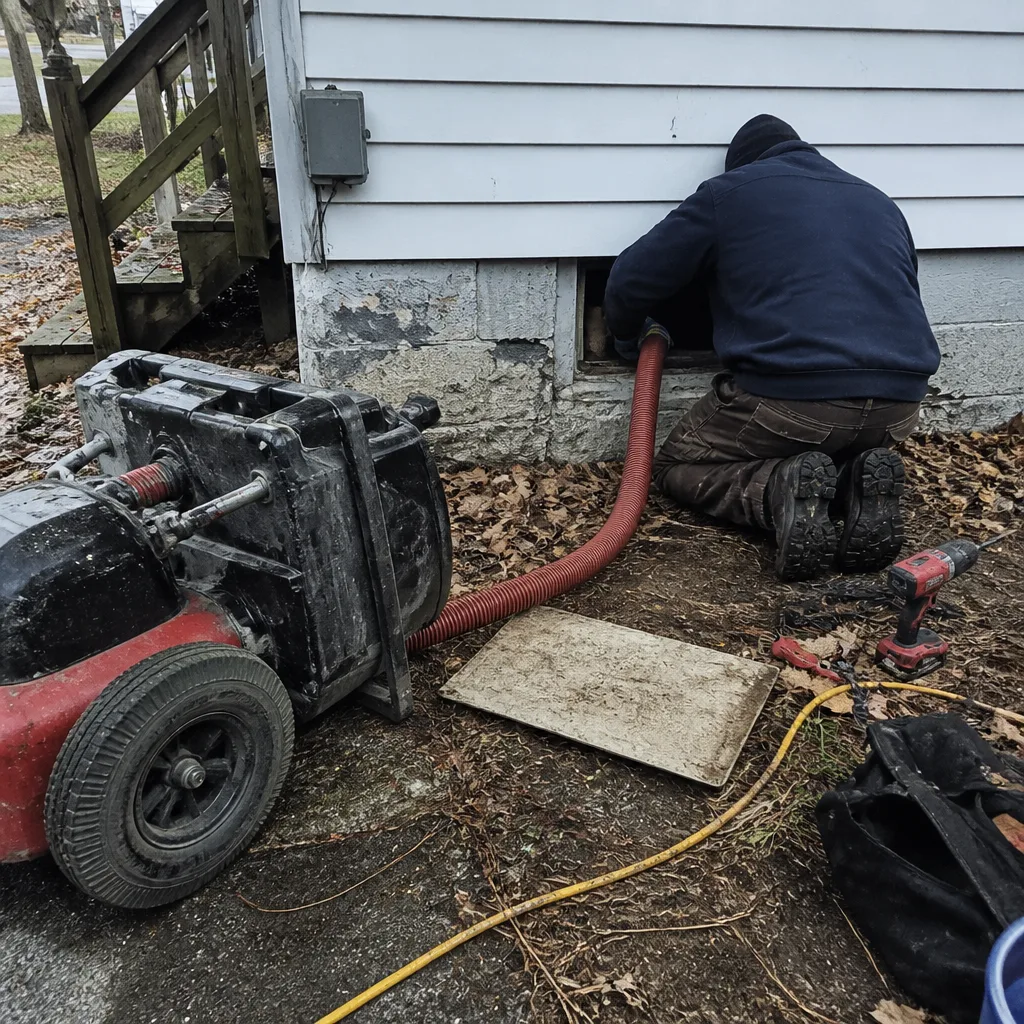 Before
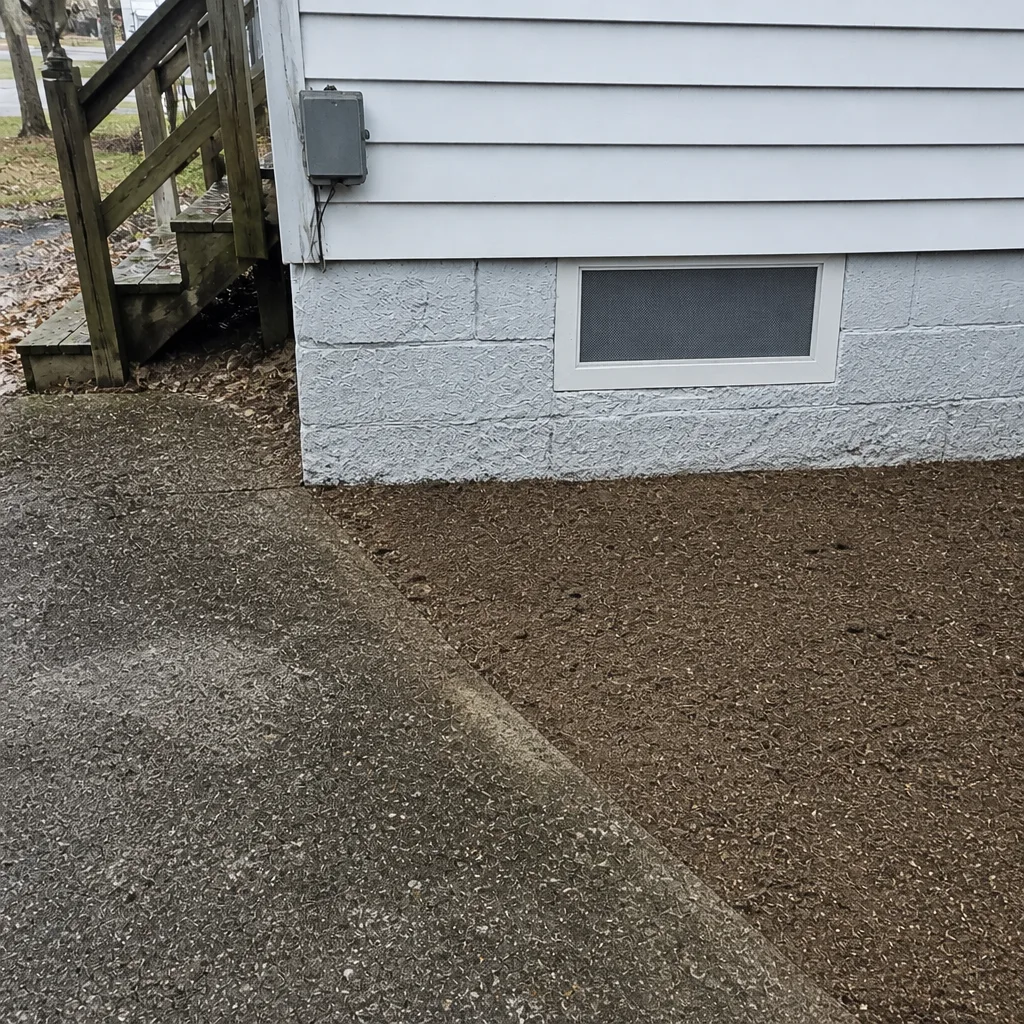 After
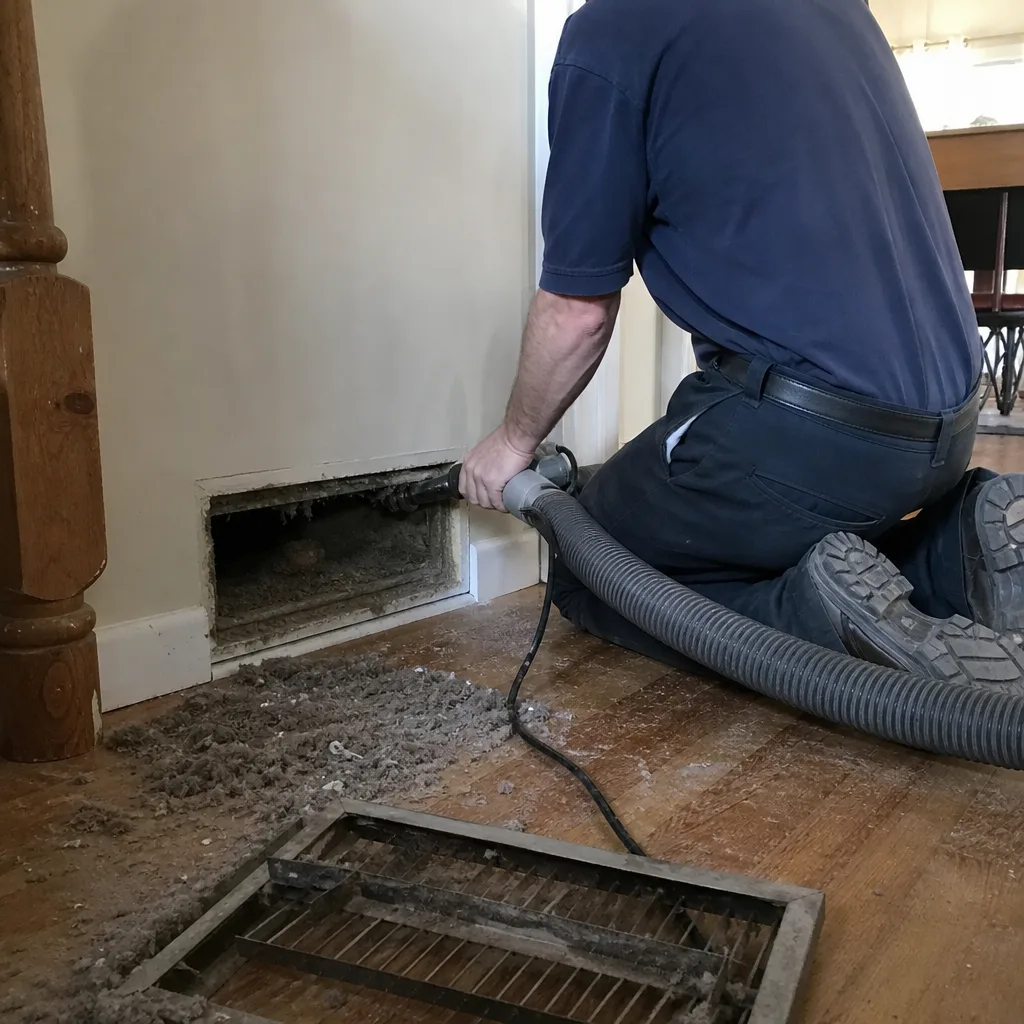 Before
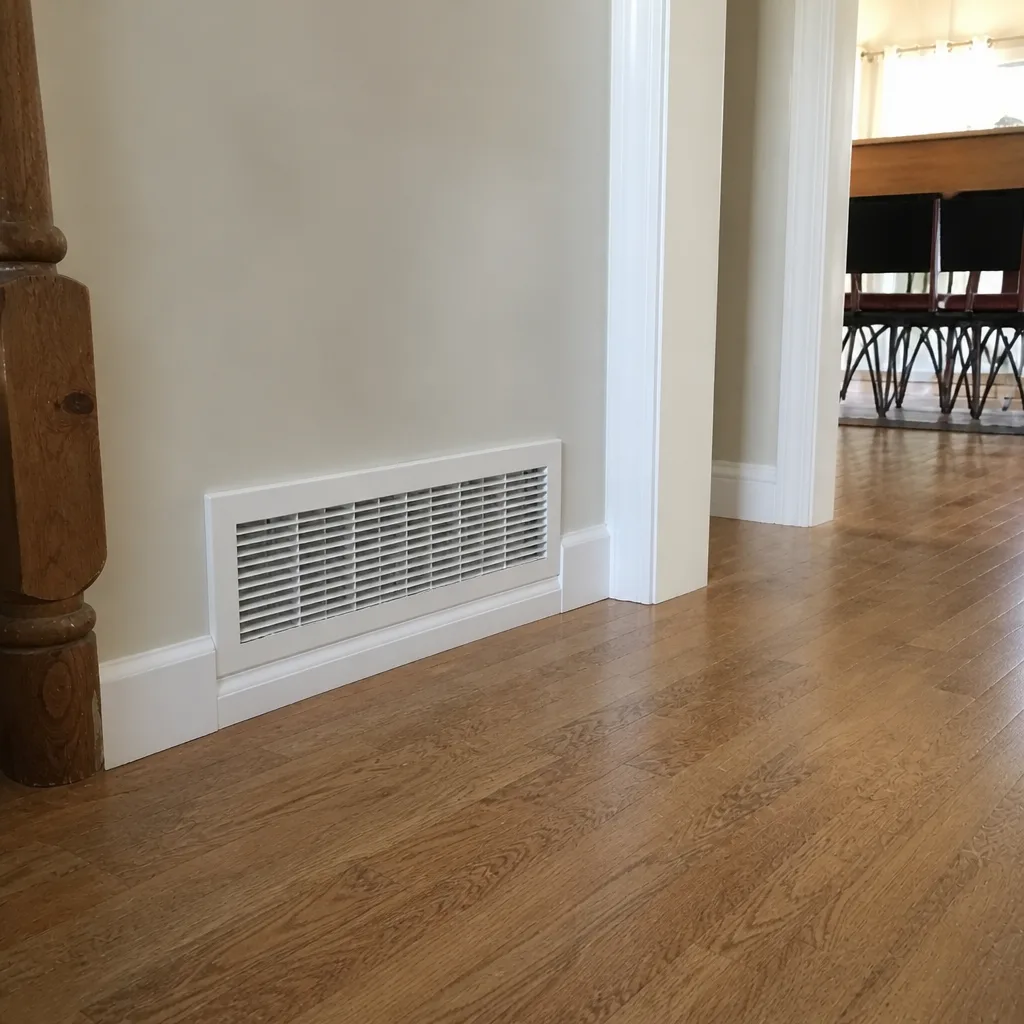 After
 Before
 After
When to Call a Professional
Call a professional when the job involves any of the following: visible mold or persistent musty odor, water intrusion or post-flood conditions, pest or rodent contamination, long flex duct runs, duct board or internally lined systems, or a full-system job that includes the air handler and coil. Call when you’ve done the assessment above and you’re honestly uncertain which category you’re in – a short inspection by someone who looks at duct systems regularly is the cheapest way to settle that question.
For any of these, calling a specialist is not a failure of DIY confidence; it’s the correct reading of the system. Air Duct Cleaning Tremont offers free estimates in Tremont – call (833) 468-5768. The estimate is set per job, and the written estimate you receive is the price.
Frequently Asked Questions
Yes, for a narrow set of tasks: cleaning registers and grilles, vacuuming the first few inches inside a register boot, and clearing loose debris from short, accessible duct runs. For full-system cleaning, anything involving mold, water damage, pest contamination, long flex runs, or lined duct, DIY isn’t sufficient and in some cases makes the situation worse.
Roughly 1/20th the suction pressure at the system level. A consumer-grade kit and a professional extraction unit are further apart in pressure differential across a sealed duct run than they are in motor power – which is the point. The professional unit generates sustained pressure from the farthest register back to the collection point, while a shop-vac running at a single register has no sealed system to work with.
The short section between the dryer and the wall is a reasonable DIY job. If the vent runs through a wall and exits a roof or side vent a long distance from the appliance, that’s a professional job – the run is out of reach of a homeowner rod and lint accumulation along a long run is a genuine fire concern. Professional dryer vent cleaning covers the full run, not just the visible opening.
That’s a common result of DIY duct cleaning, and it usually means debris was loosened and redistributed rather than removed. The fix is a proper professional cleaning with negative pressure on the full system so the loosened material is extracted. If a musty smell has appeared since, don’t run the system heavily until it’s evaluated – a call is the right next step.
Often yes, especially when the ducts have never been cleaned and the home is old enough that ductwork may be lined, flex, or lightly sealed at the joints. The honest answer depends on the assessment above: what the registers look like, what the return looks like, whether there’s an odor, and what duct type you have. A free estimate settles it without guesswork.
Three reliable signals: dark outlines or heavy streaking around return grilles, a musty odor that appears when the fan runs, and visible dust or staining inside the register boot. If any of those are present, professional cleaning and probably sealing are worth doing. If you see mold, water staining, or pest evidence, skip the assessment and call – that’s not a borderline case.
The Bottom Line
The real divide between DIY and professional air duct cleaning isn’t risk versus safety – it’s what a sealed negative-pressure system can do that a shop-vac fundamentally cannot. Household tools handle registers, reachable runs, and light debris well. Professional equipment with HEPA filtration, rotating brushes, and pneumatic agitation handles the rest. If you’re honest about which category your system is in, you can skip the anxiety and the overselling and just do the right job. For a free estimate from a specialist who works on duct systems every day, call (833) 468-5768. We answer 24/7. Fast dispatch from 7am to 7pm, Sunday through Friday.
To see the full range of what we cover, start with Air Duct Cleaning Tremont, and for a broader walkthrough of the air pathway and what a full-system service includes, see HVAC cleaning and air duct cleaning in Tremont.
Written by the team at Air Duct Cleaning Tremont.