
Last updated November 22, 2026
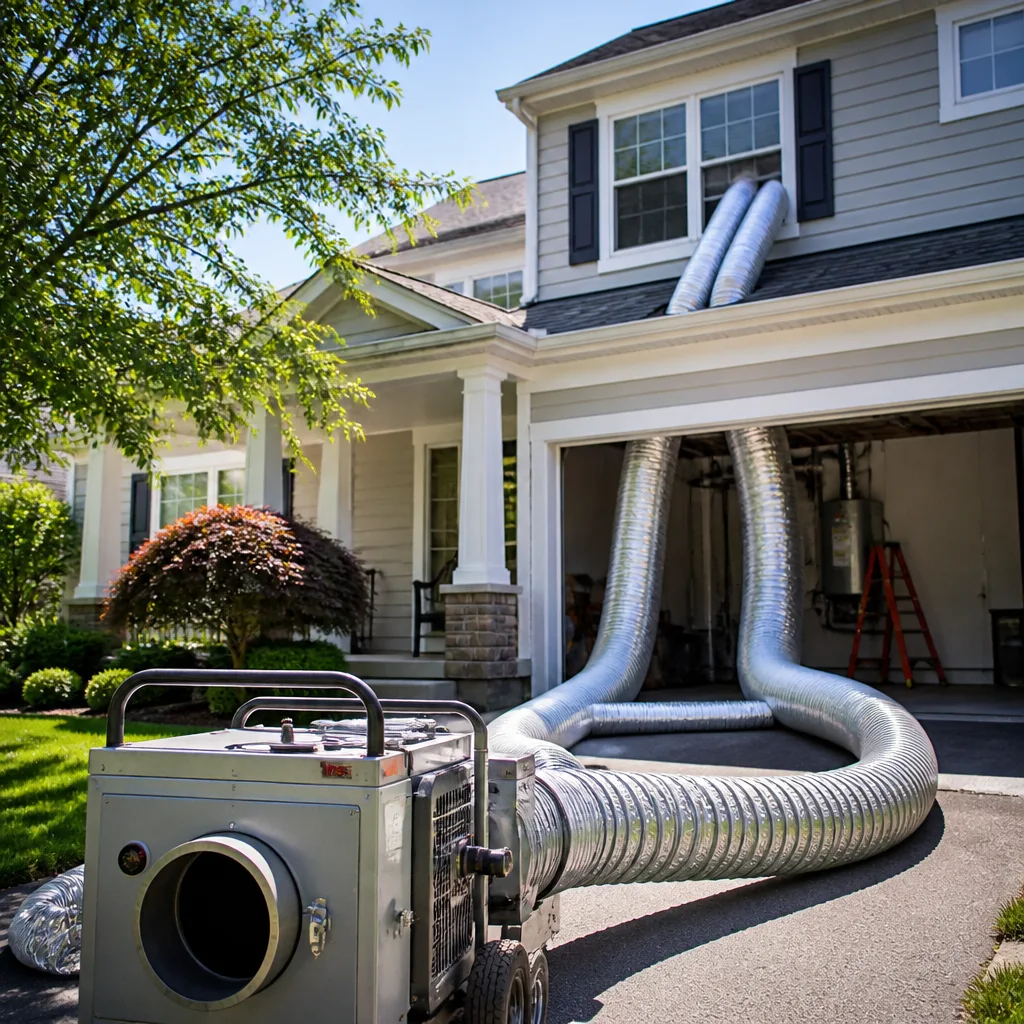 Whole-home duct cleaning
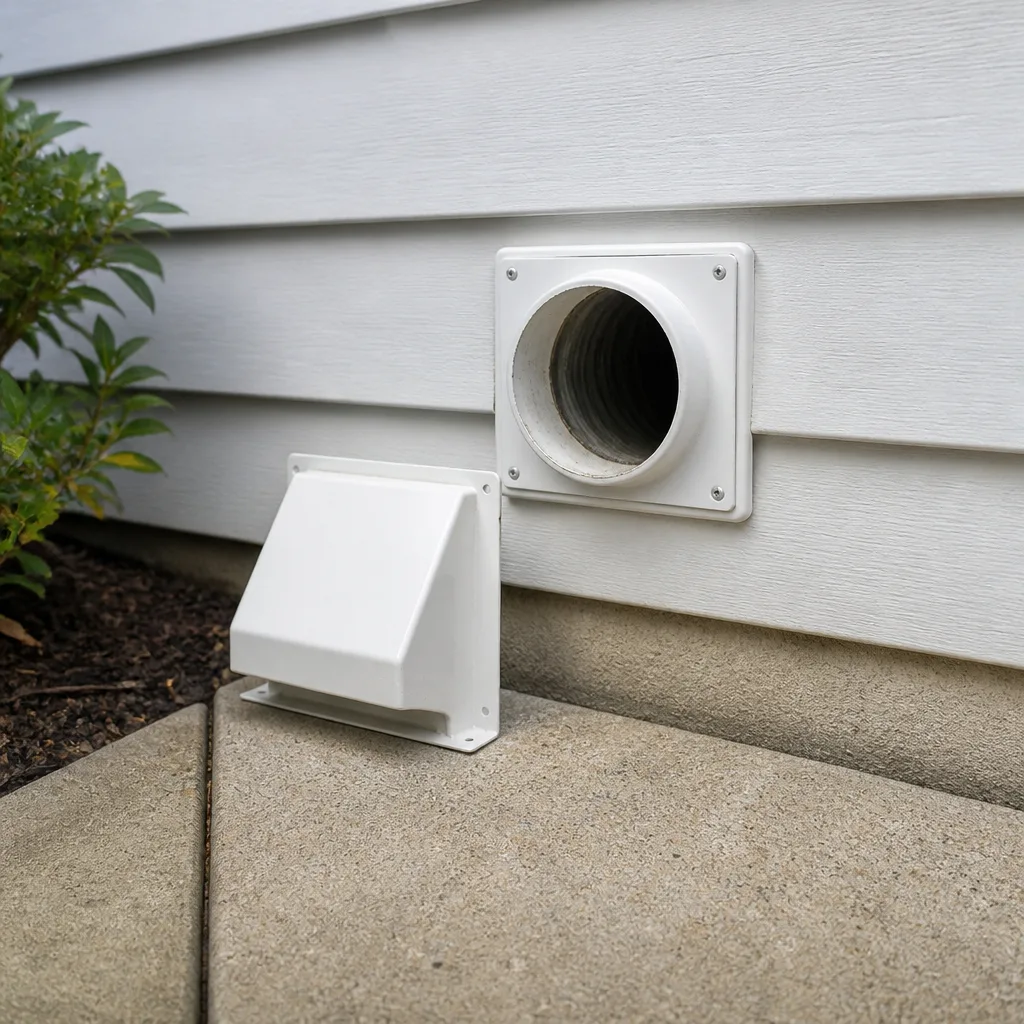 Dryer vent cleaning
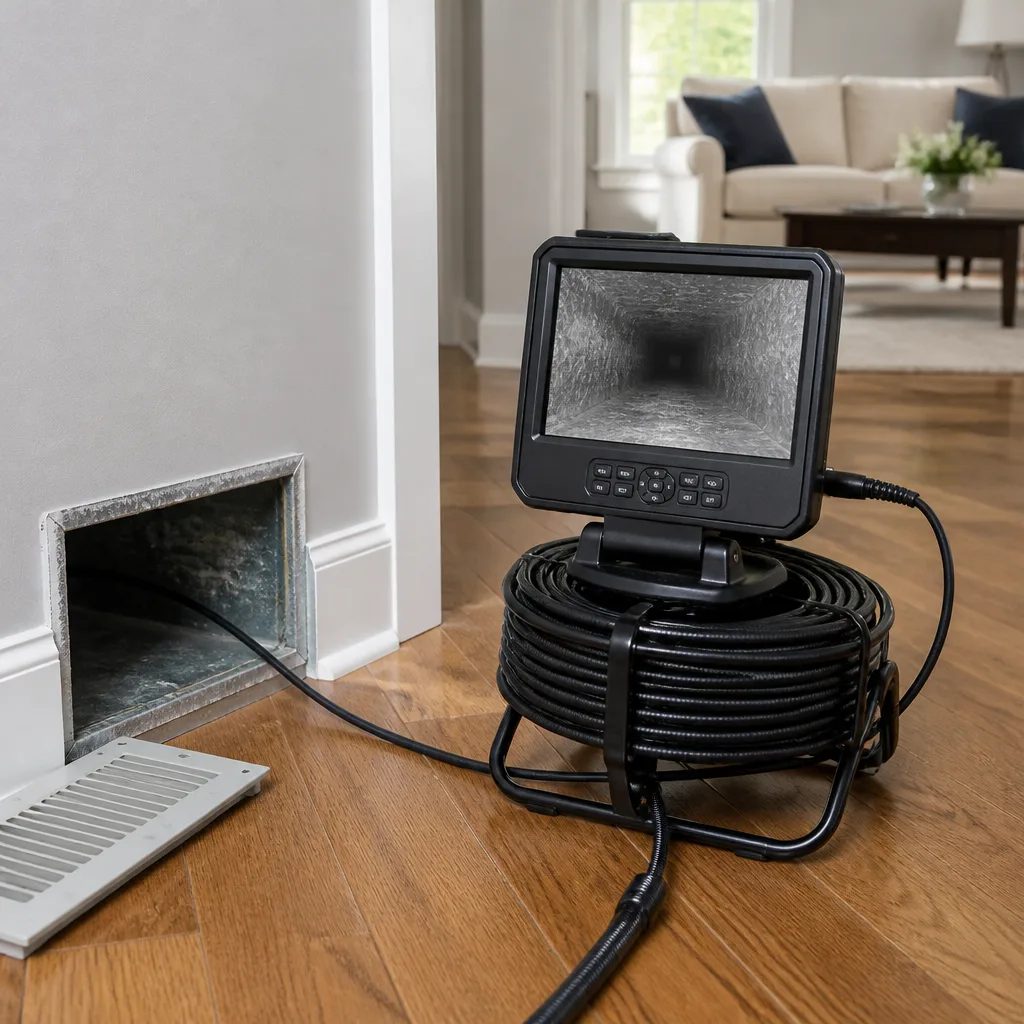 Camera inspection
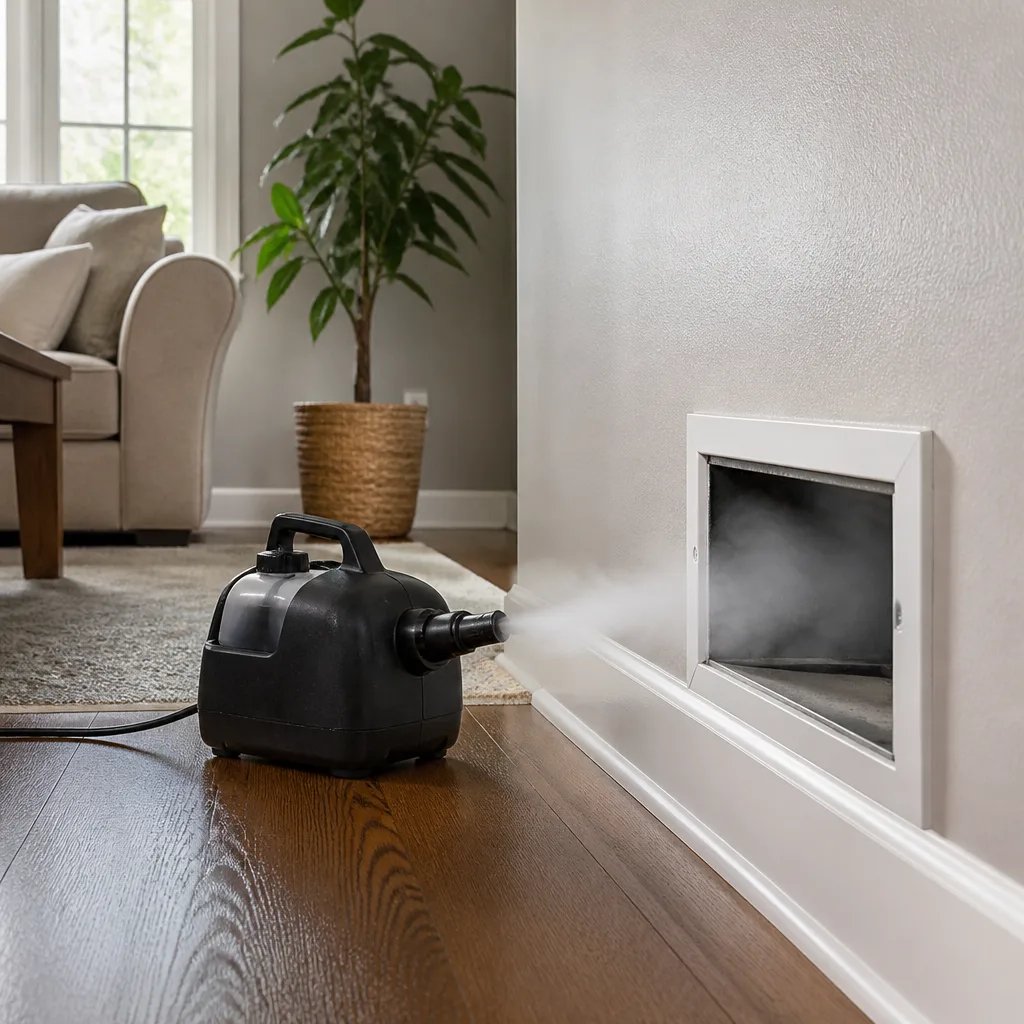 Sanitizing & deodorizing
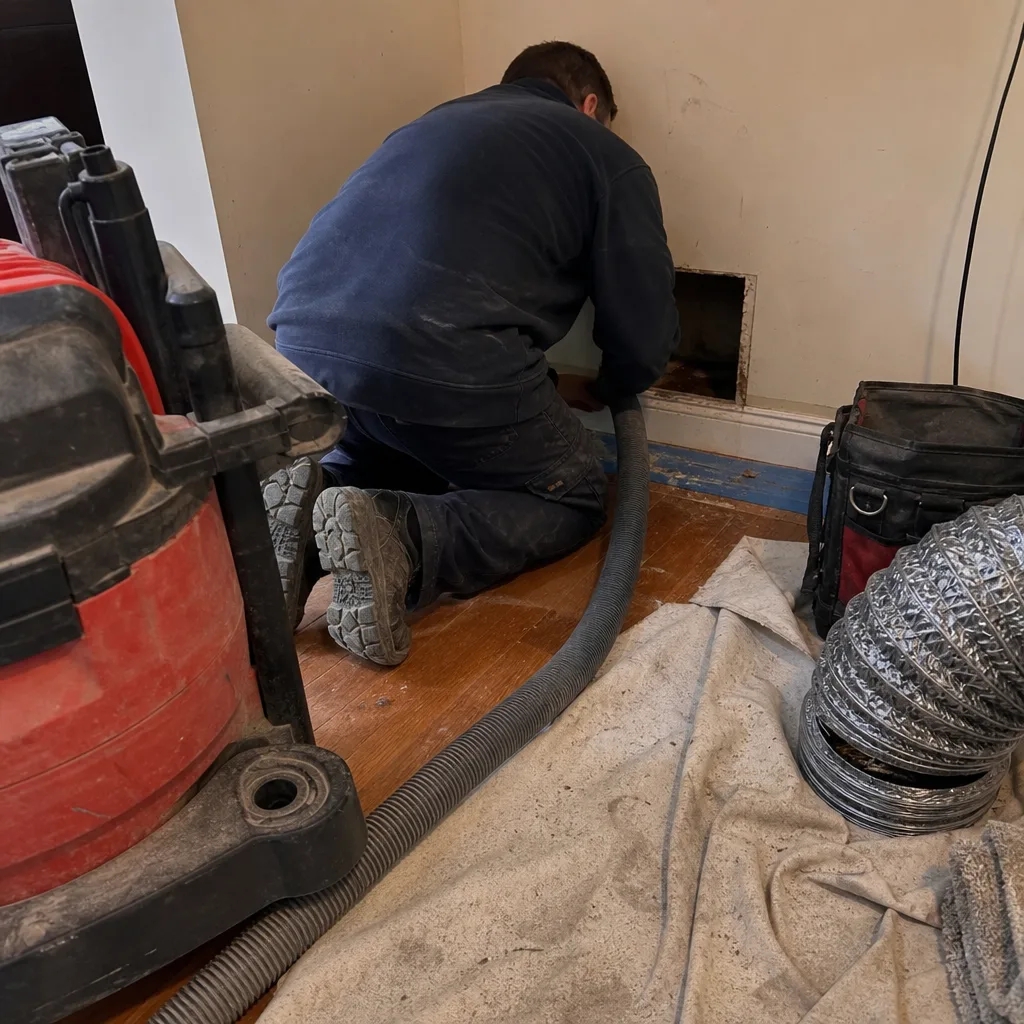
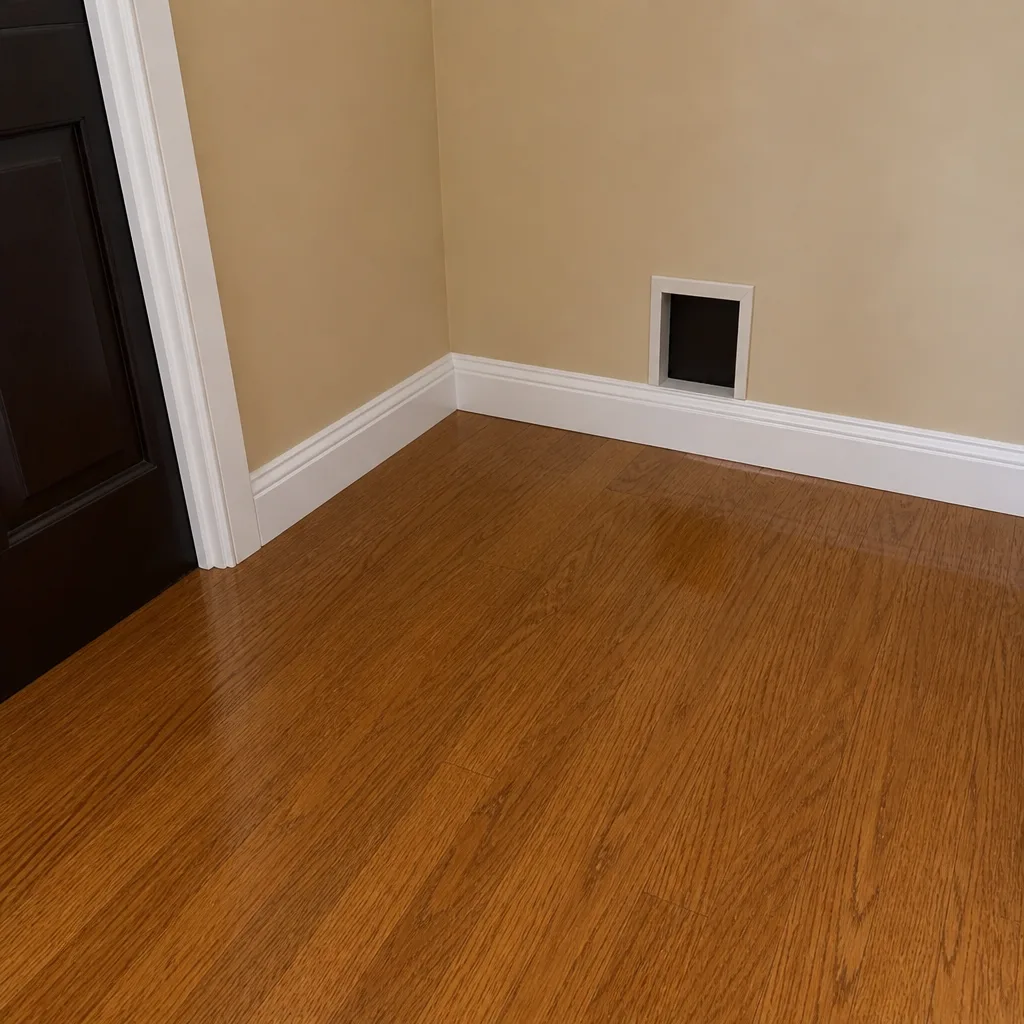
Whole-system duct and dryer vent check with before-and-after photos - you see exactly what came out of your vents
That "$99 whole-house special" is a bait ad - the real number appears once they are in your hallway, or the "clean" is a shop-vac at the register. We photograph the inside of your ducts before and after instead.
Air Duct Cleaning Warning Signs: A Tremont Homeowner’s Reference Guide
A sudden spike in your energy bill isn’t on most air duct warning sign lists. It should be. Restricted airflow from debris buildup is one of the most consistent causes of HVAC inefficiency, and it’s entirely fixable without replacing equipment. The problem with most warning-sign guides is that they list symptoms, not causes. Sneezing, dusty furniture, a musty smell: any of those could mean a dozen things, and guessing wrong costs money. This guide does something different. It maps the specific, observable signals coming out of your duct system to the mechanical causes behind them, so you can describe what you’re actually seeing, ask better questions, and avoid paying for problems you don’t have. If you own or manage property in Tremont, the sections below give you a working vocabulary for the whole air pathway.
Quick Answer
The main warning signs that your ducts need professional attention are dust blowing out of supply registers during airflow, rooms that never reach the same temperature as the rest of the home, a persistent musty or chemical smell when the system runs, visible mold at more than one register, and a jump in energy costs with no other explanation. Surface dust sitting on the grille is normal; dust actively emitting from the grille is not. When several of these signs appear together, or when they follow water damage, renovation, or a pest problem, the right next step is a full-system inspection rather than a surface cleaning.
Styles & brands we work with
- Whole-home duct cleaning
- Dryer vent cleaning
- Camera inspection
- Sanitizing & deodorizing
Table of Contents
- Dust on Registers vs. Dust Coming Out of Them
- Uneven Room Temperatures as a Duct Signal
- Odor Diagnostics: What Each Smell Tells You
- Localized Mold vs. System-Wide Contamination
- The Energy Bill Signal Nobody Lists
- When a Warning Sign Is Urgent
- What a Proper Inspection Actually Covers
- How to Tell Good Work From a Sales Pitch
Dust on Registers vs. Dust Coming Out of Them
There is a real difference between dust that settles on a register and dust that leaves it, and you can tell which you’re dealing with without any equipment. Settled dust is passive: it accumulates on top of the grille, on the slats, on the frame, simply because dust is everywhere in a home and gravity pulls it down. Wiping it away and finding it stays away for weeks is normal. Emitting dust is active: the grille itself stays fairly clean, but you see fine particles drifting into the room while the system is running, or you get a visible puff when the blower kicks on, or nearby furniture and walls darken faster than the rest of the house. That’s a duct interior problem.
Here’s how the path works mechanically. Your return ducts pull air from the living space back to the air handler. Supply ducts push conditioned air out. Every joint, every seam, every boot connecting a duct to a floor register is a potential leak. In a home with negative pressure in the return side, which is common in older Tremont houses with undersized returns, unfiltered air from crawlspaces, attics, and wall cavities gets pulled into the system and delivered back out to the rooms. So what you see leaving the register isn’t dust that was already in the duct; it’s dust that entered the duct downstream of the filter.
Two things follow from that. First, changing your filter more often won’t fix it, because the filter is upstream of the problem. Second, cleaning alone may not fix it either if the leaks remain. This is why we treat air duct cleaning in Tremont and duct repair as a single conversation: clean ducts start with mechanical agitation and high-powered extraction, but the source of re-contamination has to be sealed or the dust comes right back. Look for the leak points, not just the dust.
Quick checks you can do yourself
- Wipe one register clean and note the date. Check it again after two weeks. A faint film is normal; a heavy, fast-returning coating points to a duct interior issue.
- Hold a tissue near the grille while the system runs. If it flutters strong and steady, airflow is fine. If it barely moves in some rooms and blows hard in others, you have a balance problem.
- Shine a light into the register boot. Visible dust build-up on the inside walls of the duct, not just the grille, means the system needs cleaning.
- Check your filter. A filter that’s loading with grey dust fast is catching what the return is pulling in; a filter that stays clean while registers emit dust tells you the dust is entering after the filter.
Uneven Room Temperatures as a Duct Signal
Before you assume your HVAC equipment is failing in a room that never gets comfortable, look at the ducts. Uneven temperatures are far more often a delivery problem than a production problem. The furnace or air handler might be working exactly as designed, and one room still runs five degrees hotter or colder than the rest because the air isn’t reaching it. That’s a duct system signal, and it’s worth understanding before anyone starts talking about a new unit.
What causes it:
- Oversized duct runs. A long, oversized flex run loses velocity before it reaches the register. The air arrives weak and warm in the summer, or weak and cool in winter.
- Leaky ducts in unconditioned space. Runs through attics and crawlspaces lose conditioned air before it ever reaches the room. Older homes with long attic runs lose the most.
- Blocked or crushed flex. Flex duct that’s kinked, sagging, or crushed under joists restricts flow badly at exactly one point.
- Disconnected boots. A floor register boot that has separated from the ductwork dumps air into the floor cavity instead of the room.
- Blocked returns. If the return path from a room is restricted, the system can’t move air into it, no matter how good the supply side is.
In our experience, most rooms that never reach temperature fall into categories that a system-wide inspection catches: restricted runs, leaking joints, and disconnected boots. Once the ducts are cleaned and sealed, many homes discover they had a duct problem the whole time. That’s the value of diagnosing the delivery side before touching the equipment side.
Odor Diagnostics: What Each Smell Tells You
Smell is the most diagnostic signal a duct system gives you, because different odors map to different zones. If you can describe the smell accurately, you can point a technician straight at the problem area rather than having them search the whole house.
Musty smell
Musty means moisture and biological growth somewhere in the system. The zone is usually the air handler, the evaporator coil, the drain pan, or the return ducts running through damp basement or crawlspace space. It’s the most common odor complaint we field, and it almost always indicates a condition the cleaning alone doesn’t fix. We integrate Honeywell and Aprilaire products specifically because microbial growth on wet surfaces needs to be addressed at the source, with moisture control and filtration, not just removal of the visible growth. The musty smell tells you where to look.
Burning or hot-dust smell
A faint hot-dust smell the first few times the heat comes on in fall is normal: dust settling on the heat exchanger from the off-season burns off. A persistent burning smell is not normal, and it warrants turning the system off and having it looked at. That’s not a duct cleaning conversation; that’s a safety check on the mechanical components. Don’t run it “just to see if it clears.”
Chemical or solvent smell
Chemical smells in the duct system usually trace to three things: off-gassing from new materials such as cabinetry or flooring installed recently, a refrigerant leak at the air handler, or cleaning products that got pulled into the return and redistributed. If you’ve just renovated, the ducts are circulating the off-gassing from everything that’s new, which is one reason post-renovation cleaning matters. If you smell something sharp and unfamiliar and there’s been no renovation, have it checked rather than aired out.
Stale air with no distinct odor
Stale, close, “the house needs to breathe” air is often the quietest signal of all. It usually points to a system that’s recirculating its own dust load and not getting enough fresh-air exchange, common in tightly-built Tremont homes where the envelope is good but the ventilation is not designed. Read it as an airflow and filtration question, not a scent problem.
Localized Mold vs. System-Wide Contamination
Mold at a single register can be a local moisture problem. Mold appearing at multiple registers, or returning after cleaning, points to something bigger. The distinction matters because a localized issue may be treatable without a whole-system job, while a system-wide problem requires the full air pathway to be cleaned, sanitized, and the moisture source corrected. Getting this wrong means paying for a clean that the growth returns to.
Here are the indicators that distinguish the two:
- Localized: visible growth on the grille or boot of one register, especially one in a bathroom or near a humidifier, with no other registers affected. Often tied to a specific moisture source in that room.
- Localized: growth appears only during particularly humid stretches and clears when the weather dries. The problem follows the moisture, not the air.
- System-wide: growth at multiple registers across different rooms and floors. If registers in three rooms all show it, the duct interior or air handler is the source.
- System-wide: growth returns to the same registers within weeks of cleaning. That means the moisture source upstream was never addressed.
- System-wide: musty smell throughout the house when the system runs, paired with visible growth. Odor travels with airflow; localized growth doesn’t produce whole-house odor.
If you’re in the system-wide category, a cleaning without a moisture fix is a waste of money. The right order of work is: find the moisture source, correct it, then clean and sanitize the entire system. Abatement Technologies filtration equipment controls airborne particulates during that process, which matters most in a home where contamination is widespread and disturbing it can spread it. For a deeper look at how this step fits, see our air duct cleaning overview.
The Energy Bill Signal Nobody Lists
A jump in your utility bill with no other explanation is one of the most reliable duct warning signs, and most lists leave it off. The reason is mechanical: debris buildup and leaking joints both increase the resistance the blower has to work against. A system with a partial restriction runs longer to move the same amount of air, or moves less air and lets the living space stay warmer or cooler than the thermostat asks for. Either way, your equipment is doing more work to deliver less comfort.
Read the bill alongside two other signals. If the bill is up and the house still feels uneven, the delivery side is the suspect. If the bill is up and you can see dust emitting from registers, the return side is the suspect. If the bill is up and there’s a musty smell, the moisture and biological load is the suspect. The bill alone tells you something changed; the other signals tell you where.
One caution: don’t let anyone sell you a new HVAC system off a bill increase alone. Duct issues mimic equipment failure remarkably well, and a standard full-system inspection separates the two. If the ducts are leaking and restricted, the fix is cleaning and sealing, and that’s cheaper than equipment. If the equipment is genuinely at the end of its life, the inspection will show that too. The point is to know before you spend.
When a Warning Sign Is Urgent
Some signs mean “schedule an inspection in the next few weeks.” Others mean “deal with this now.” Knowing the difference saves you from paying for an emergency job you didn’t need, and from letting a real problem compound. Three situations push a duct warning sign into the urgent category.
After water damage
If your home has had a leak, a flood, or a burst pipe, the ducts are a moisture risk even if they look dry. Water that enters the system or the surrounding structure creates the exact conditions for biological growth, and the growth can colonize the air handler and duct liner within days. A cleaning and sanitizing job shortly after water damage is far cheaper and far more effective than dealing with the growth after months of circulation. Treat post-water-damage as urgent.
After a major renovation
Demolition and construction pump enormous amounts of fine particulate into the air. Drywall dust, sawdust, and insulation fibers get pulled into the return and distributed through every duct run. Cleaning right after a renovation prevents that load from becoming a permanent part of the system. Don’t skip this step, and don’t assume your contractor covered it: renovation cleanup and duct cleaning are separate jobs.
After pest intrusion
Rodents, insects, and birds that get into ductwork or the air handler leave behind contamination that standard cleaning won’t fully address, and the activity spreads along the ducts. If you’ve found evidence of pests in the system, cleaning and sanitizing together is the right scope, and it’s urgent. Depending on what’s found, a specialist may coordinate with a pest professional, but the ducts themselves need treatment.
Outside those three situations, most warning signs can wait for a standard scheduled inspection. A dusty house with a slight uneven-temperature issue and no odor isn’t a crisis; it’s a maintenance item. Getting the categories right is what keeps you from being sold urgency you don’t need.
What a Proper Inspection Actually Covers
A good inspection traces the whole air pathway from return to supply, not just the grilles. Before any work starts, you should be able to describe exactly what was found and where. Here’s what the process looks like when it’s done properly.
- Access and visual review. Registers, grilles, boots, and the air handler cabinet are opened. The technician should show you what’s visible.
- Mechanical agitation of the duct interior. Professional-grade rotating brush and whip systems, such as the Rotobrush and Nikro equipment we use, physically break debris loose from duct walls. Vacuum suction alone doesn’t reach the film that adheres to the metal or flex interior.
- High-powered extraction. Loosened debris is pulled out under strong negative pressure, with Abatement Technologies filtration equipment controlling airborne particulate during the work. This is why professional equipment matters: the extraction has to be sufficient to keep up with the agitation.
- Sanitizing the air pathway. After extraction, a sanitizing step treats microbial growth and odor at the source. Cleaning removes what’s built up; sanitizing addresses what can grow back.
- Sealing leaks and joints. Duct repair and sealing closes the openings that let contamination re-enter. We seal what we clean, because uncleared leaks undo the cleaning over time.
- Documentation. Before-and-after photos of your own ducts and a written report of what was done. Ask for it; a reputable job produces it without prompting.
Guardsman-grade surface protection is our standard during service so finished spaces stay clean while the work is happening. Our technicians have up to 8 years of experience with this equipment, which matters most at the agitation and extraction steps, where technique drives the result.
How to Tell Good Work From a Sales Pitch
The duct cleaning industry has earned a certain reputation, and the way to avoid the bait-and-switch side of it is to know what a legitimate scope looks like. The single biggest tell is pricing structure. A quote built around a very low per-vent price or a teaser coupon figure is the classic setup; the price that matters is the flat price per system, agreed before any work starts. That gives you a way to compare quotes honestly and a way to know what you’ll pay before the technician is on site.
What to confirm before you book:
- Whole-system scope, not per-vent. You should get one price for the whole system, not an a la carte count of vents that grows once the technician counts them.
- Professional equipment named. Ask what agitation and extraction equipment will be used. If the answer is “a big vacuum,” that’s a warning. Professional duct cleaning requires mechanical agitation plus high-powered extraction.
- Before-and-after photos of your own ducts. You should be able to see the difference in your own system, not a stock image or someone else’s job.
- One flat price per system, written. Confirm the written estimate sets the final price, and there’s no per-vent surprise, no upcharge discovered mid-job.
- Sealing included or quoted. A clean that doesn’t address leaks is one that has to be repeated. Ask how sealing is handled.
- The local pro is licensed and insured as their state requires. That’s the baseline everywhere, and it’s fair to ask.
For Tremont homeowners in older houses, we also suggest asking about return-side leakage specifically, because undersized returns are one of the most common things we find on local jobs. When you compare quotes, compare scope and equipment, not just price.
Common Mistakes to Avoid
- Treating surface dust on a grille as proof of a duct problem. Grilles get dusty from ambient dust. The signal worth acting on is dust leaving the register during airflow, not dust sitting on top of it.
- Assuming a cold room means the equipment is failing. Uneven delivery is more often a duct problem than an equipment problem. Diagnose the ducts before anyone quotes a new unit.
- Cleaning without sealing. A cleaning on a leaking system leaves the leaks that will re-contaminate the ducts. We seal what we clean for that reason.
- Ignoring one register’s worth of growth. A little mold at one register may be local, but if it returns after cleaning, the moisture source is still active and the cleaning was treating the symptom.
- Waiting on the post-renovation cleaning. Once construction dust has circulated and settled, it’s far harder to remove. Have the system cleaned after the renovation, not next season.
- Booking the cheapest quote without asking about scope. A per-vent price invites a counting exercise. Ask for a flat price per system, in writing, before you book.
- Skipping the dryer vent. It’s a separate pathway with its own warning signs, and it’s a fire and efficiency issue, not just a comfort issue. If your dryer runs long or your laundry area runs hot, that’s a signal worth checking, and dryer vent cleaning is part of the same referral of trusted local pros.
See the difference
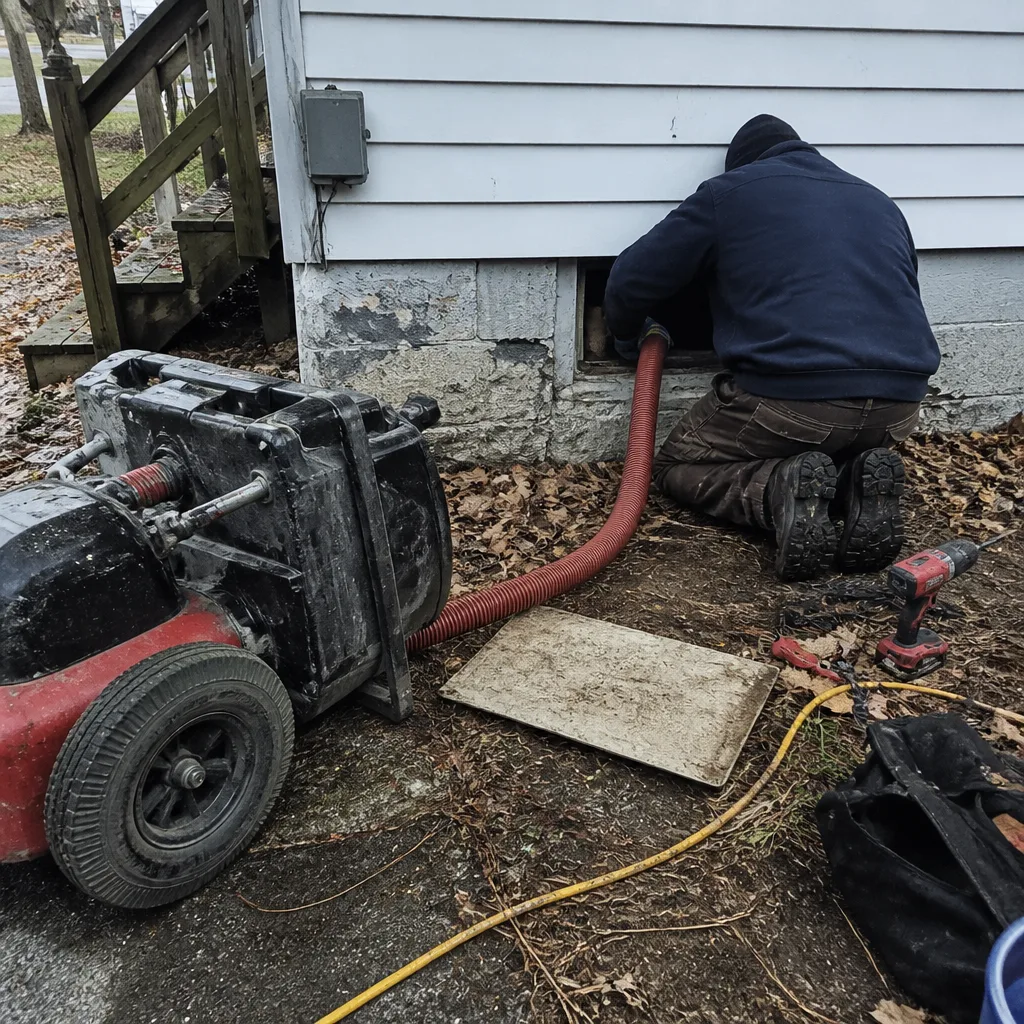 Before
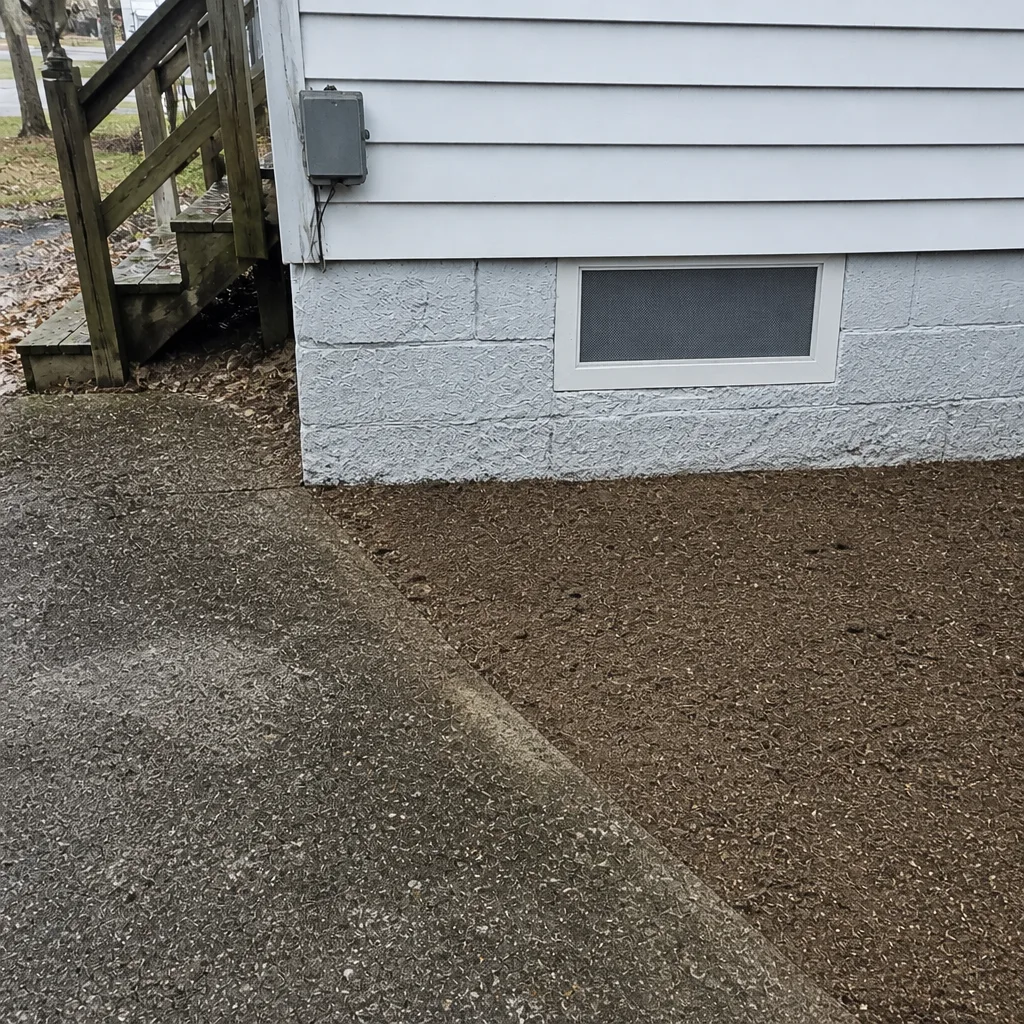 After
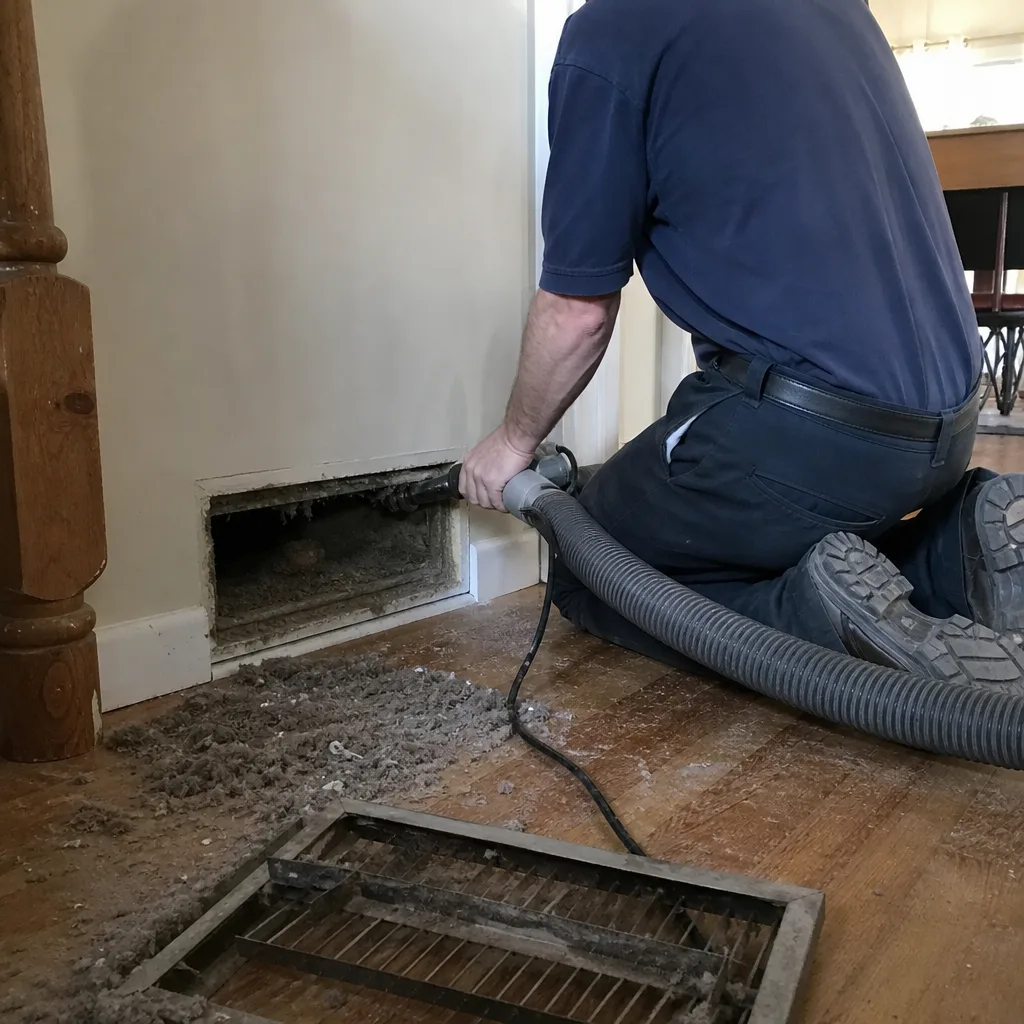 Before
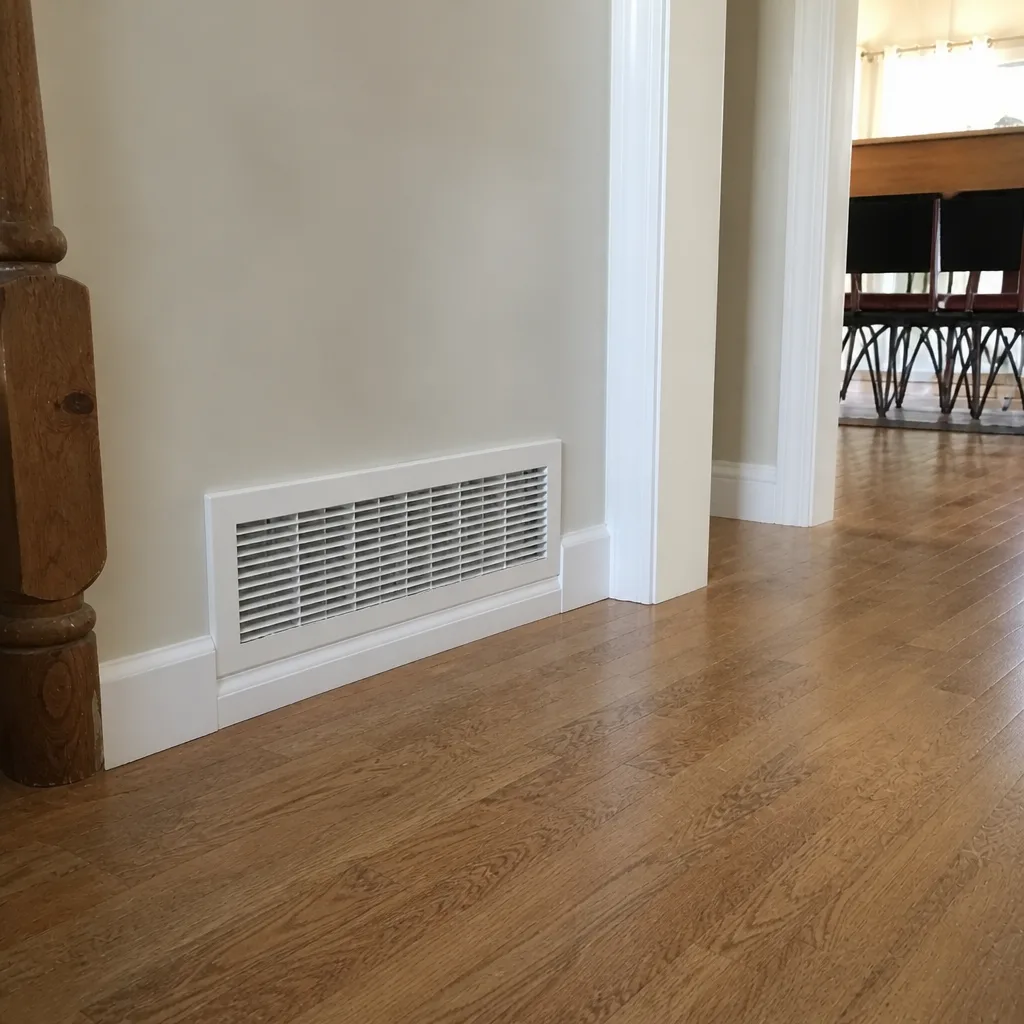 After
 Before
 After
When to Call a Professional
Call a professional when you can see dust emitting from supply registers, when your energy bill climbs and rooms stay uneven, when a musty or chemical smell comes on with the system, when mold appears at more than one register, or when any of the three urgent situations applies: water damage, a major renovation, or pest intrusion. Call sooner rather than later on the urgent ones and schedule a standard inspection on the others. If you suspect the whole system needs a full review, our HVAC cleaning page covers the equipment side of that conversation. Air Duct Cleaning Tremont offers free estimates in Tremont. Call (833) 468-5768. We answer 24/7. Fast dispatch from 7am to 7pm, Sunday through Friday.
Frequently Asked Questions
You need cleaning when you can see signals that come from inside the system: dust emitting from registers during airflow, a jump in energy costs with no other explanation, persisting odors when the system runs, mold at multiple registers, or a recent water-damage, renovation, or pest event. Surface dust on the grille and a slight musty smell once a year are not enough on their own. Any of the active signals is worth a full-system inspection.
No. Dust on top of the grille is normal ambient accumulation and doesn’t tell you much. The distinguishing test is whether the grille stays clean after you wipe it but the room keeps darkening, or you see visible particles drifting from the register while the system runs. That’s the sign the duct interior is the source.
Yes, and soon after the work is finished. Renovation generates large amounts of fine particulate that the return side pulls in and distributes through the whole system. Cleaning right away keeps that load from settling permanently and it’s a much easier job than cleaning it later. If the renovation came with any moisture intrusion from plumbing work, treat it as an urgent cleaning and sanitizing job.
Musty means moisture and biological growth somewhere in the system, most often at the air handler, evaporator coil, or in return ducts running through a damp space. Cleaning removes what’s built up, but a moisture correction and sanitizing step address why it grew there. If the smell returns after a cleaning, the moisture source wasn’t found.
It could be. Debris restriction and leaking joints both make the blower work harder for less delivered comfort, which shows up as a bill increase without any equipment change. Read the bill alongside the other signals: dust emitting from registers, uneven rooms, or odor. A full-system inspection separates a duct issue from equipment failure before you spend on either. Call (833) 468-5768 for a free estimate.
Cheap quotes are often per-vent teasers or a surface vacuuming instead of a whole-system cleaning. The price you’ll actually pay is the flat price per system agreed before work starts, in a written estimate. Ask what equipment will be used for agitation and extraction, whether sealing is included, and whether you get before-and-after photos of your own ducts. A quote you can’t get in writing for the whole system isn’t a real quote.
The Bottom Line
Warning signs are useful only when they’re tied to causes. Dust emitting from a register points to the return side, uneven rooms point to delivery leaks and restricted runs, odor points to a specific zone, and mold at multiple registers points to a system-wide moisture problem. A bill increase points you toward the delivery side. Learn to read the signal, and you’ll know which conversation you need to have before anyone sells you something. Treat water damage, renovation, and pest intrusion as urgent. Everything else is a scheduled inspection. We work with professional-grade Rotobrush and Nikro systems and Abatement Technologies filtration, and we seal what we clean. Call (833) 468-5768 for a free estimate.
Written by the team at Air Duct Cleaning Tremont.