
Last updated November 22, 2026
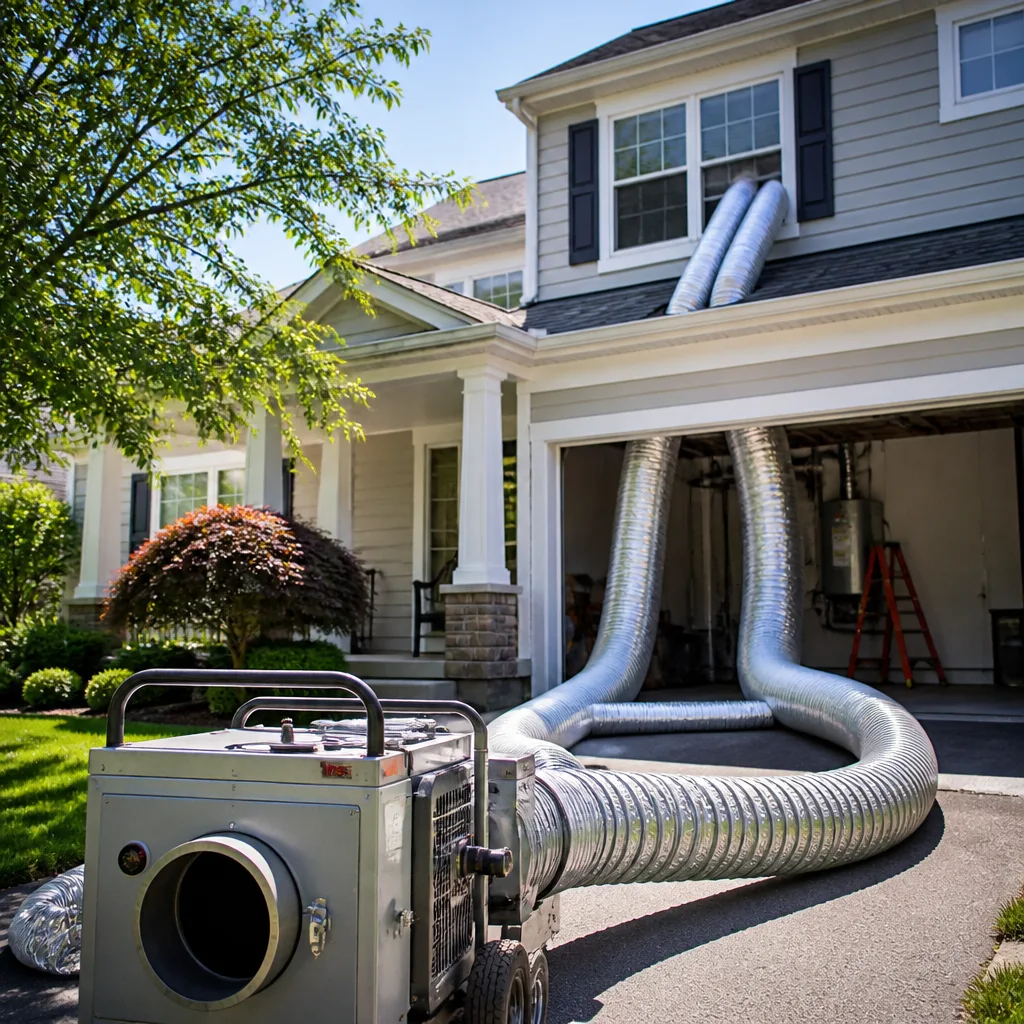 Whole-home duct cleaning
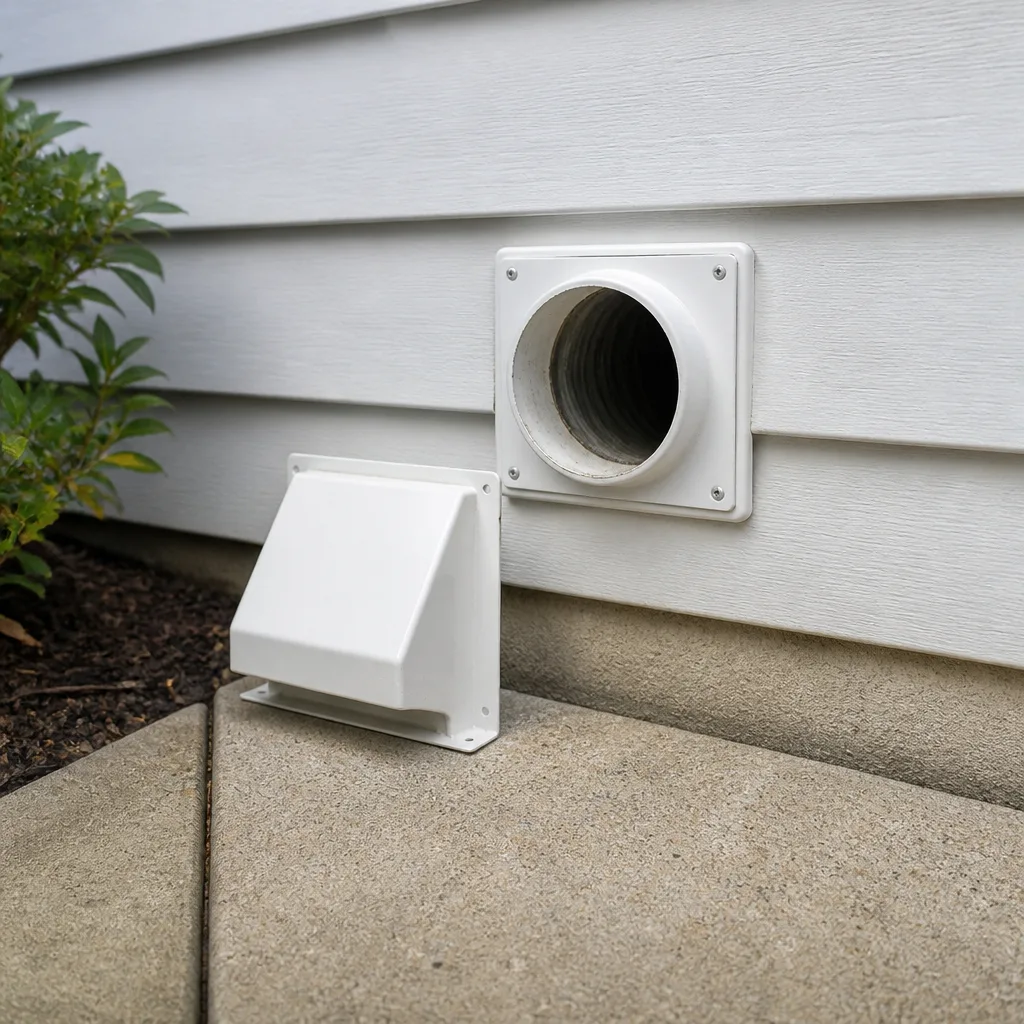 Dryer vent cleaning
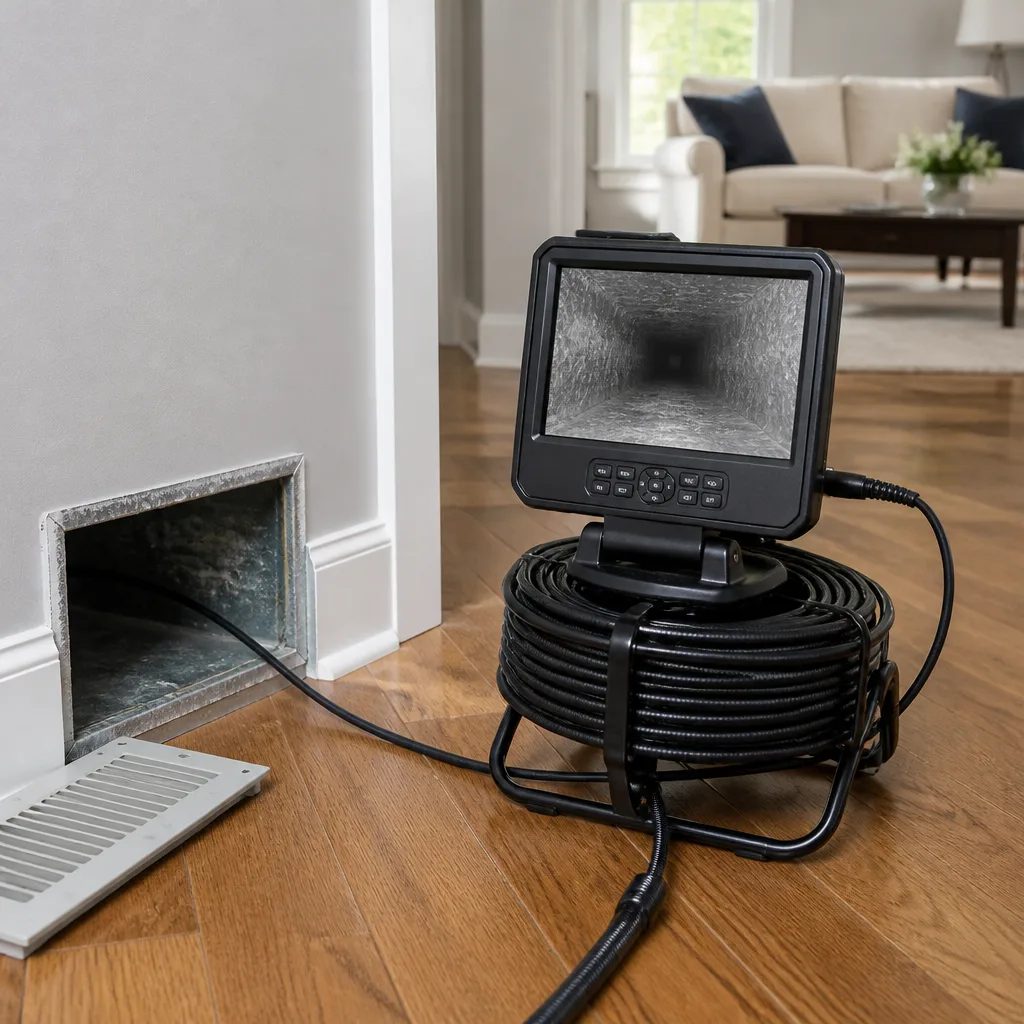 Camera inspection
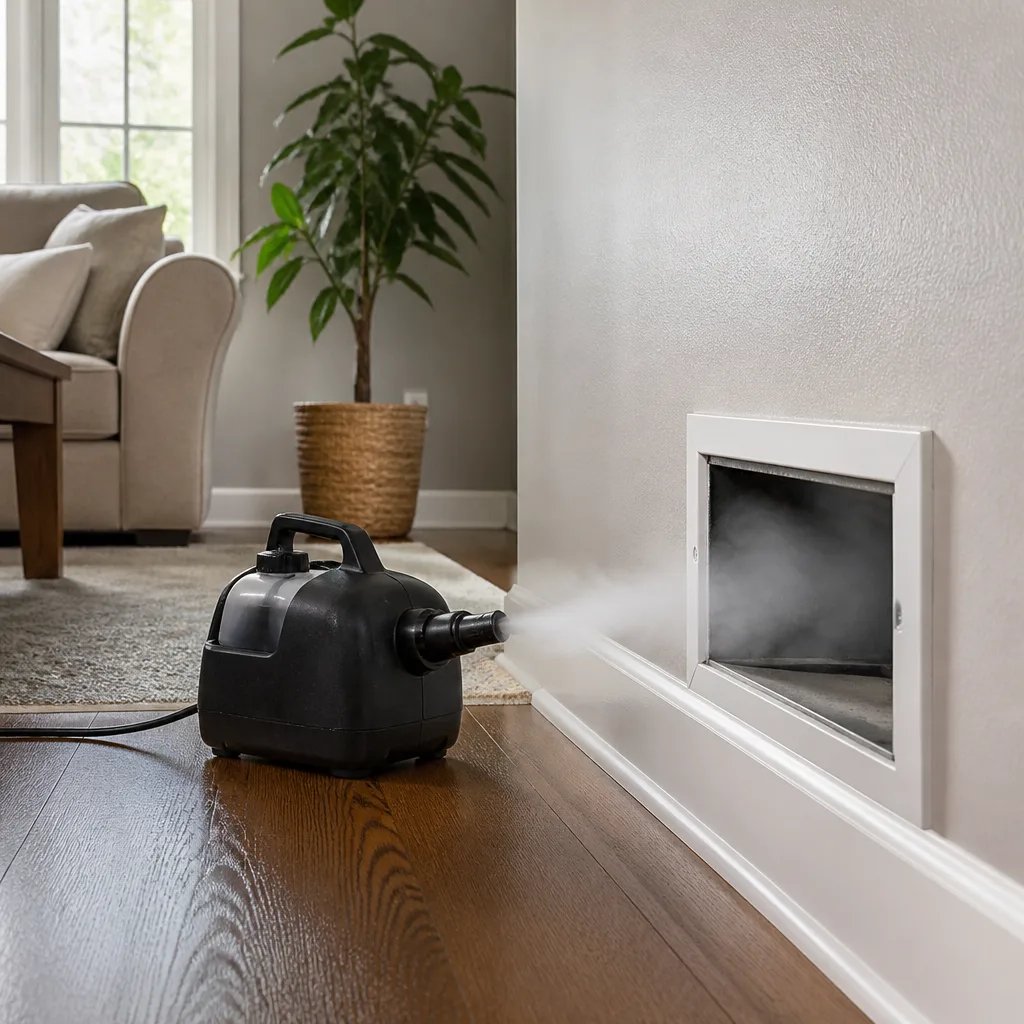 Sanitizing & deodorizing
Whole-system duct and dryer vent check with before-and-after photos - you see exactly what came out of your vents
That "$99 whole-house special" is a bait ad - the real number appears once they are in your hallway, or the "clean" is a shop-vac at the register. We photograph the inside of your ducts before and after instead.
The Complete Guide to Air Duct Cleaning in Tremont
You’ve probably read that ducts should be cleaned every three to five years. That number gets repeated everywhere, and it has no research behind it. The EPA has never set a standard cleaning frequency for residential ducts, which means most of what passes for scheduling advice was invented by someone selling the cleaning, not studying the duct. The real question isn’t “how often” but “what’s actually happening inside the system.” That’s what this guide covers for Tremont homes: the duct materials common in the neighborhood’s older housing, the mechanical difference between a real clean and a surface wipe, and how to read what you get afterward.
Quick Answer
Air duct cleaning in Tremont involves mechanically agitating the full duct interior with rotating brush equipment and pulling the loosened debris into a HEPA-filtered negative-air machine, not just vacuuming at the registers. In Tremont’s pre-1980s housing stock, the duct material (galvanized steel, rigid fiberboard, or flex) determines which methods are safe, which is why an inspection comes before any cleaning. A proper job is confirmed by what comes out of the system and by measurable airflow and particle readings afterward, not by how quickly a technician runs a vacuum hose.
Styles & brands we work with
- Whole-home duct cleaning
- Dryer vent cleaning
- Camera inspection
- Sanitizing & deodorizing
Table of Contents
- Why There’s No Standard Cleaning Frequency
- How Tremont’s Older Housing Affects Your Ducts
- Contact Vacuuming vs. Negative-Air-Pressure Cleaning
- What Professional Equipment Actually Does
- How to Read a Post-Cleaning Report
- When Ducts Genuinely Need Cleaning (and When They Don’t)
- What Air Duct Cleaning Costs in Tremont
- Sealing, Sanitizing, and the Rest of the System
Why There’s No Standard Cleaning Frequency
Here’s the fact almost no duct cleaning company will lead with: the EPA does not recommend a specific interval for residential duct cleaning. The agency’s position is that ducts should be cleaned when there’s a reason, meaning visible contamination, a known source of debris, or a documented problem with the system. Not on a calendar. Not because a coupon arrived in the mail.
What does that mean in practice for a typical Tremont home? It depends on variables that no generic rule can capture:
- Whether the return side is sealed or pulling in basement or crawlspace air
- Whether the home has pets or recent renovation dust
- Whether the duct system is steel and cleanable or flex and easier to damage
- Whether water, mold, or pest activity has introduced material into the ducts
- Whether filters are being changed on a sane schedule
The honest answer is “clean when the condition warrants it.” A well-sealed steel system in a Tremont home with a good filter will look fine for years. A leaky flex system drawing from a damp basement will be dirty in a single heating season. The interval lives in the duct, not in a marketing brochure. If a company opens the conversation with “you’re due,” ask them what they found and where.
How Tremont’s Older Housing Affects Your Ducts
Tremont has a lot of housing built before 1980, and that matters more than most guides admit. Duct material and installation method changed across those decades, and what worked for cleaning a system in 1970 can destroy a system installed in 1955, or vice versa.
The three material types we see most often in Tremont homes:
- Galvanized sheet metal – rigid, cleanable with contact brush equipment, and holds up to mechanical agitation. Common in systems installed mid-century through the 1980s.
- Rigid fiberglass duct board – common in additions and central air retrofits. Interior surfaces can fuzz or delaminate if scrubbed aggressively, so softer agitation and controlled airflow matter more than horsepower.
- Flexible duct – corrugated, easy to install, easy to crush. It’s cleanable but unforgiving: high-pressure air, oversized brushes, or a technician who isn’t watching what’s happening inside the run can damage it.
The other Tremont-specific factor is basement and crawlspace return systems. A lot of older homes pull return air through an unsealed basement duct, which introduces moisture, insulation fragments, and whatever rides on basement air. That’s not a reason to clean every year. It’s a reason to inspect, then decide.
In our experience, the material inspection comes first, always. Cleaning a fiberglass system with the wrong brush, or a flex run with too much air pressure, is worse than not cleaning it at all.
Contact Vacuuming vs. Negative-Air-Pressure Cleaning
This is the mechanical distinction that decides whether you got a real clean or an expensive vacuum pass at the registers. There are two different approaches, and only one of them actually removes what’s stuck to the duct walls.
Contact vacuuming
A vacuum head, usually with rotating brush bristles, physically runs along the interior surfaces of the ducts and dislodges the debris film. It works because it’s touching the surface. If a company shows up with a shop-vac and a hose they push two feet into each register, that’s contact vacuuming with the wrong tool, and it leaves the microbial film and fine dust still bonded to the sheet metal.
Negative-air-pressure cleaning
This method puts the entire duct system under negative pressure using a high-volume machine connected at a strategic point (often the main trunk or a return). While the system is under suction, technicians agitate the interior with rotary brush equipment through each branch. The loosened debris is carried into the collector instead of into the living space. A HEPA filter on the exhaust side is what keeps the air in the home from getting worse before it gets better.
Why the two belong together
Negative air pressure alone won’t lift bonded material. Agitation alone blows loose contamination into the room. The professional job is both, in the right sequence:
- Set up the HEPA negative-air machine on the system
- Confirm pressure at the machine
- Work branch by branch with rotary brush equipment, keeping the system under suction
- Agitate supply and return runs, the plenum, and the coil cabinet where reachable
- Pull the collector, dispose of contents, and recheck airflow
That sequence is what separates air duct cleaning from register wiping. Ask any company you call which method they use and how they confirm pressure. If the answer is vague, that’s your answer.
What Professional Equipment Actually Does
Equipment is where the résumé either holds up or doesn’t. A shop-vac has a small motor, a short hose, and a filter designed for household debris. It can clean a register faceplate and the first few feet of a branch. It cannot create system-wide negative pressure or drive a rotating brush down a 20-foot run.
What we deploy and why it matters:
- Rotobrush and Nikro systems – purpose-built rotary brush and contact agitation equipment designed specifically for duct interiors. The brush heads are sized to the duct and made to be pulled through without tearing the liner. The vacuum side handles continuous debris volume, not just a puff of dust.
- Abatement Technologies HEPA filtration – the same class of airborne particulate control equipment used in professional remediation. When a system is under negative pressure, the exhaust has to be filtered to HEPA standards, or the job is just moving debris around the home.
- Guardsman-grade surface protection – the finished spaces inside the home get covered before any equipment comes in, so cleaning doesn’t leave a mess behind.
This is the “professional-grade, not improvised” line, and it’s worth pushing on when you get a quote. If a company can’t name the equipment on the truck, that’s useful information before the work starts. Our technicians have up to 8 years of experience on systems across Tremont, and the equipment list is one reason we can handle rigid metal, fiberboard, and flex without improvising.
How to Read a Post-Cleaning Report
A proper clean leaves a paper trail. Not a receipt, not a checklist with a signature, but a report you can read and compare to the pre-cleaning state. Here’s what to look for and what each item actually tells you:
- Pre- and post-cleaning photos of the same duct interiors. Before-and-after photos shot from the same angle are the simplest proof of work. If the report shows only register faces, ask for interior shots.
- Static pressure readings at the air handler, taken before and after. A system that was restricted by debris will show a measurable drop in static pressure after cleaning. If the numbers are identical, ask why.
- Particle count or air sample results where a HEPA machine was used. This is the data remediation-grade equipment makes possible. It confirms what came out of the system, not just what went through the machine.
- Debris volume removed, described in general terms (how many collector loads), not a specific gram count nobody measured.
- Condition notes on the components the technician saw: filter loading, coil condition, any duct damage, sealing problems at the plenum or branch connections.
A report with photos, pressure readings, and a clear condition note is the single best answer to “how do I know the work was actually done?” If a company won’t provide one, that’s your answer too.
When Ducts Genuinely Need Cleaning (and When They Don’t)
This is the section that saves you money. Duct cleaning is worth doing when there’s a specific condition. It’s not worth doing because the calendar says so.
Signals that cleaning is warranted
- Visible debris, dust buildup, or microbial growth inside duct runs (not just at the register face)
- A musty or stale smell that returns after a filter change
- Recent renovation work, water intrusion, or pest activity that introduced material into the system
- Documented airflow restriction that a technician can trace to the ducts, not the blower or coil
- Persistent dust in the home that a fresh filter doesn’t resolve and that the filter isn’t catching
Signals that cleaning is being oversold
- A technician diagnoses the system without opening an access panel or scoping the duct interior
- A uniform “every 3 years” recommendation with no inspection behind it
- “Urgent” language tied to a coupon with an expiration date
- A price quoted per register instead of per system
- An offer to sanitize before anything has been cleaned or inspected
The oversold scenario has a signature. It’s a number, a deadline, and no access panel opened. A real inspection in Tremont takes fifteen minutes and involves actually looking inside a return plenum and a branch or two. If a price is agreed before that happens, the price isn’t based on your duct.
Our full HVAC cleaning approach starts with the coil and plenum, because the ducts don’t exist in isolation. If the coil is loaded with dust and the plenum connections leak, cleaning the branches alone won’t change what the home is breathing. One specialist, full system, is the point.
What Air Duct Cleaning Costs in Tremont
Air duct cleaning in Tremont is priced per system, by job, after inspection. There is no fair per-vent price, because two homes with the same number of registers can have completely different system sizes, materials, and access conditions. A house with rigid metal trunk lines and easy access to the plenum is a different job from a house with flex branches snaked through finished plaster walls.
What drives the estimate:
- Number and length of branches
- Duct material (steel, fiberboard, flex)
- Access: reachable plenum vs. opening through finished surfaces
- Whether the coil cabinet or air handler needs cleaning as part of the system
- Whether sealing or sanitizing is being added
- Number of HVAC systems in the home
The final price is set by the written estimate you receive, after the inspection. If a company gives you a firm number on the phone before seeing the system, that number is either padded for the worst case or a teaser that will not survive the technician’s first look inside. Both are the same problem: bait pricing. We work the other way. One flat price per system, agreed before work starts, before-and-after photos of your own ducts included.
For a Tremont homeowner, the practical way to compare quotes is by scope, not just price. Two quotes at the same number mean very different things if one includes coil and plenum cleaning with HEPA negative air and the other is a register-level vacuum pass. Ask what’s covered and whether it’s written down. Call (833) 468-5768 for a free estimate.
Sealing, Sanitizing, and the Rest of the System
Cleaning is one step in a system. The other steps address why the ducts got dirty in the first place and what keeps them clean afterward. This is where the difference between a duct cleaning company and a full-system specialist shows up.
Duct Repair & Sealing
We seal what we clean, because unsealed duct joints are the reason a cleaned system re-contaminates fast. Gaps at the plenum, the collar connections, and the branch takeoffs pull attic or basement air into the supply stream. That air carries dust, moisture, and whatever else is riding on it. Sealing closes those gaps, restores pressure balance, and stops the dirt from having a path back in. It’s also where energy savings from the job actually live.
Air Quality & Sanitizing
Cleaning removes debris. Sanitizing addresses what’s left after mechanical agitation: microbial growth, odors, and the film that rides on the duct walls. It’s the difference between looking clean and being clean. We work with Honeywell and Aprilaire product lines, which lets us recommend and install a filter or air treatment solution as part of the same service visit rather than handing off to a separate contractor.
Dryer vent cleaning
Separate system, same discipline. Lint buildup and crushed vent runs are one of the most common fire hazards in older homes, and Tremont’s pre-1980 houses often have long, poorly routed vent paths. Our dryer vent cleaning addresses the whole run, not just the discharge flap.
Common Mistakes to Avoid
- Booking on a coupon price. Coupon pricing almost never survives the first look inside the system. Get a written estimate after inspection, not a teaser number from an ad.
- Letting a non-specialist quote the job. General HVAC technicians often do duct cleaning as an add-on. Ask whether duct work is the core service or a side job.
- Cleaning flex duct with aggressive equipment. Tremont has plenty of flex branches, and a brush sized for metal duct will tear a flex liner. Ask how the technician sizes the brush to the material.
- Skipping the coil and plenum. Cleaning branches without doing the air handler and coil leaves the source of the contamination in place. The system is one connected pathway.
- Not asking for photos and pressure readings. If the report has no before-and-after interior shots and no static pressure numbers, you have no way to verify the work.
- Confusing sanitizing with cleaning. Sanitizing a dirty duct is a waste. The order is clean, inspect, then treat.
- Assuming a filter upgrade replaces a clean. A better filter catches more of what passes through it, but it doesn’t remove what has already bonded to the duct wall inside your Tremont home.
See the difference
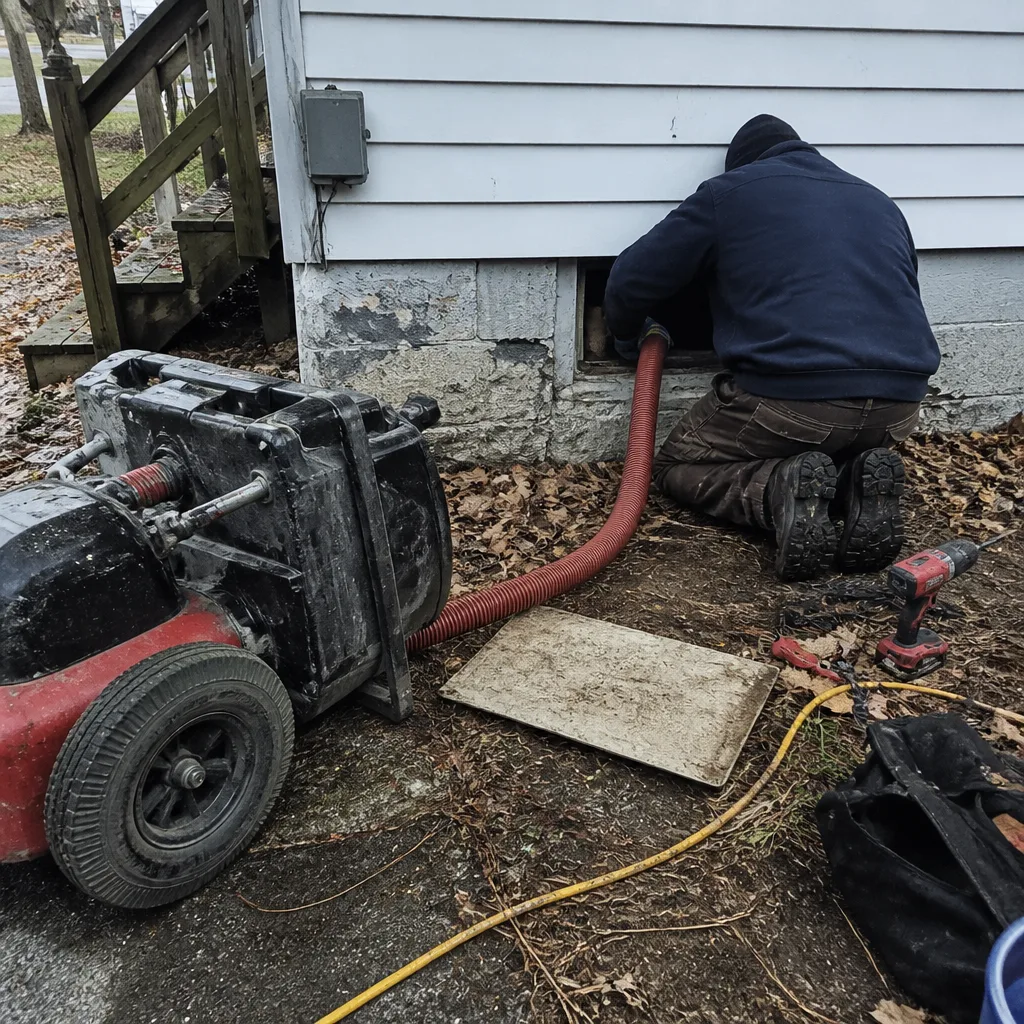 Before
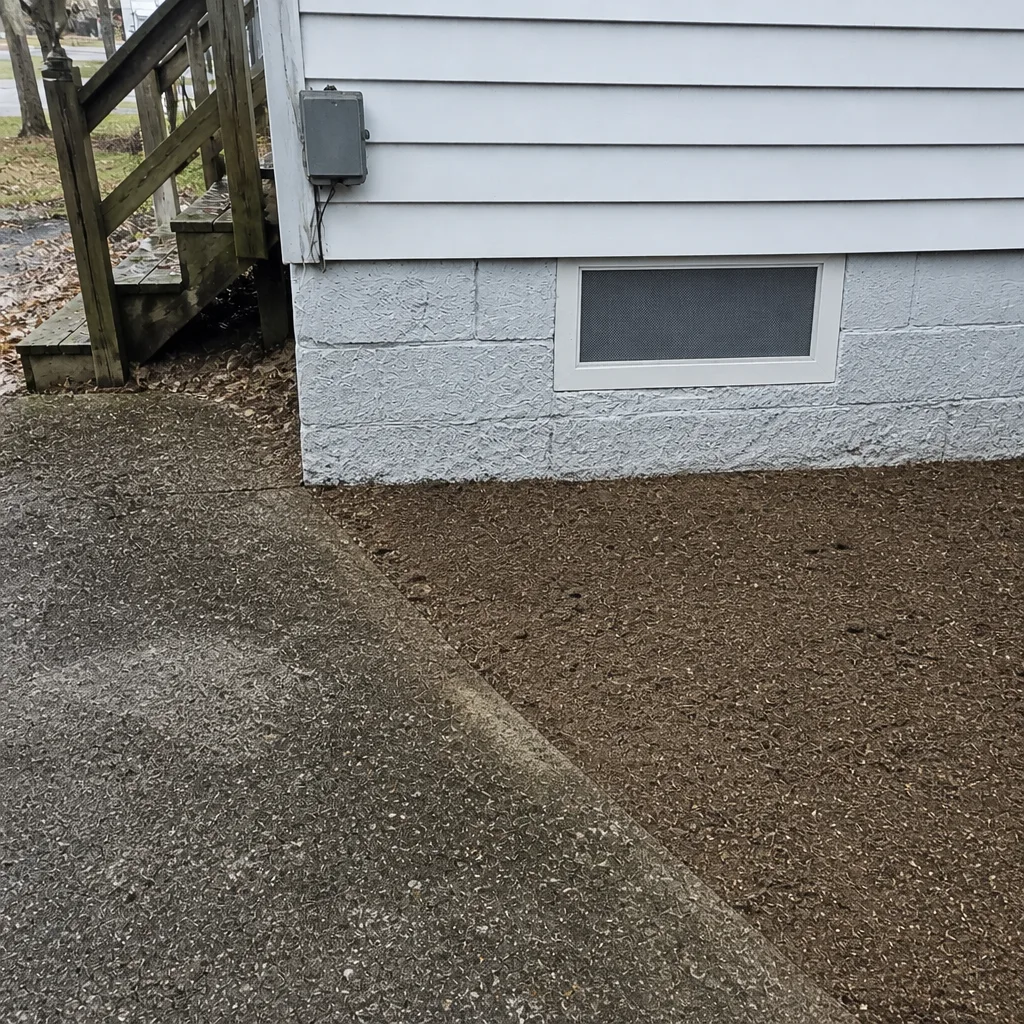 After
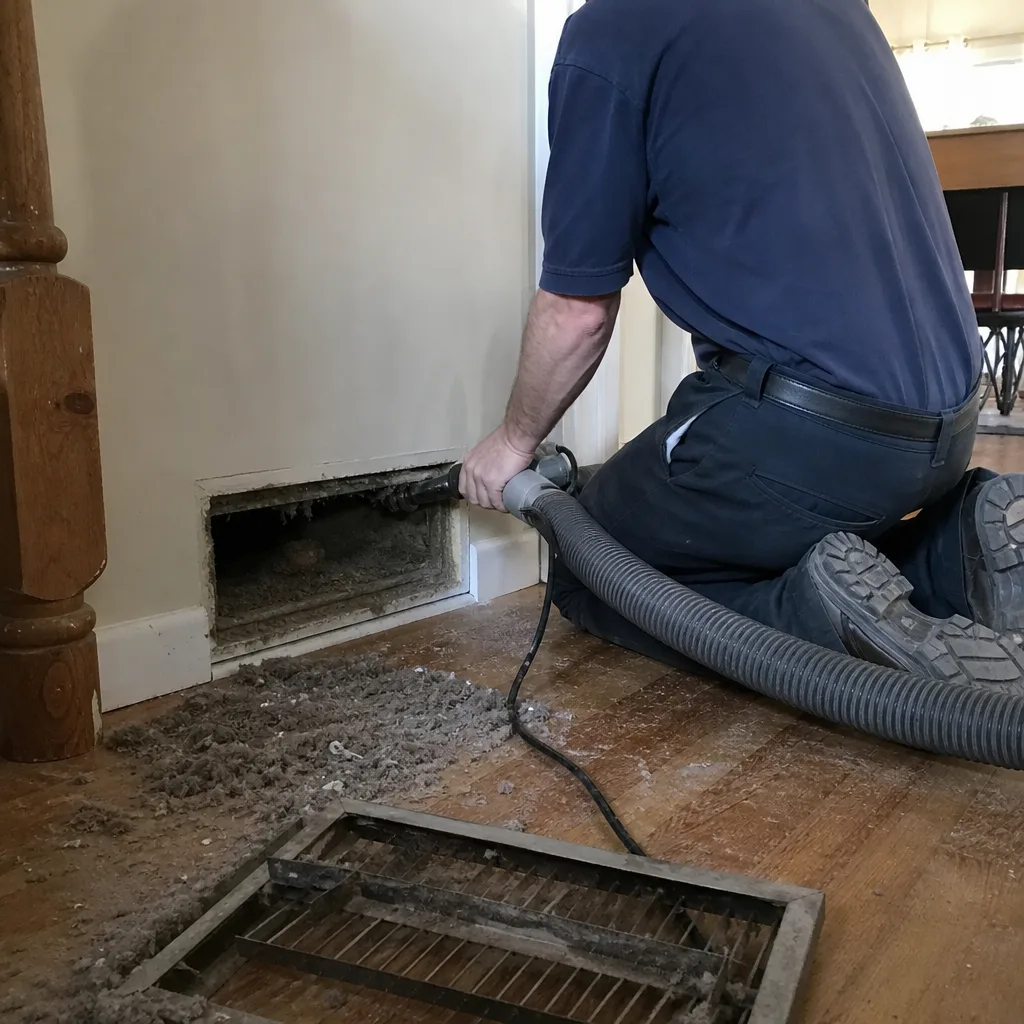 Before
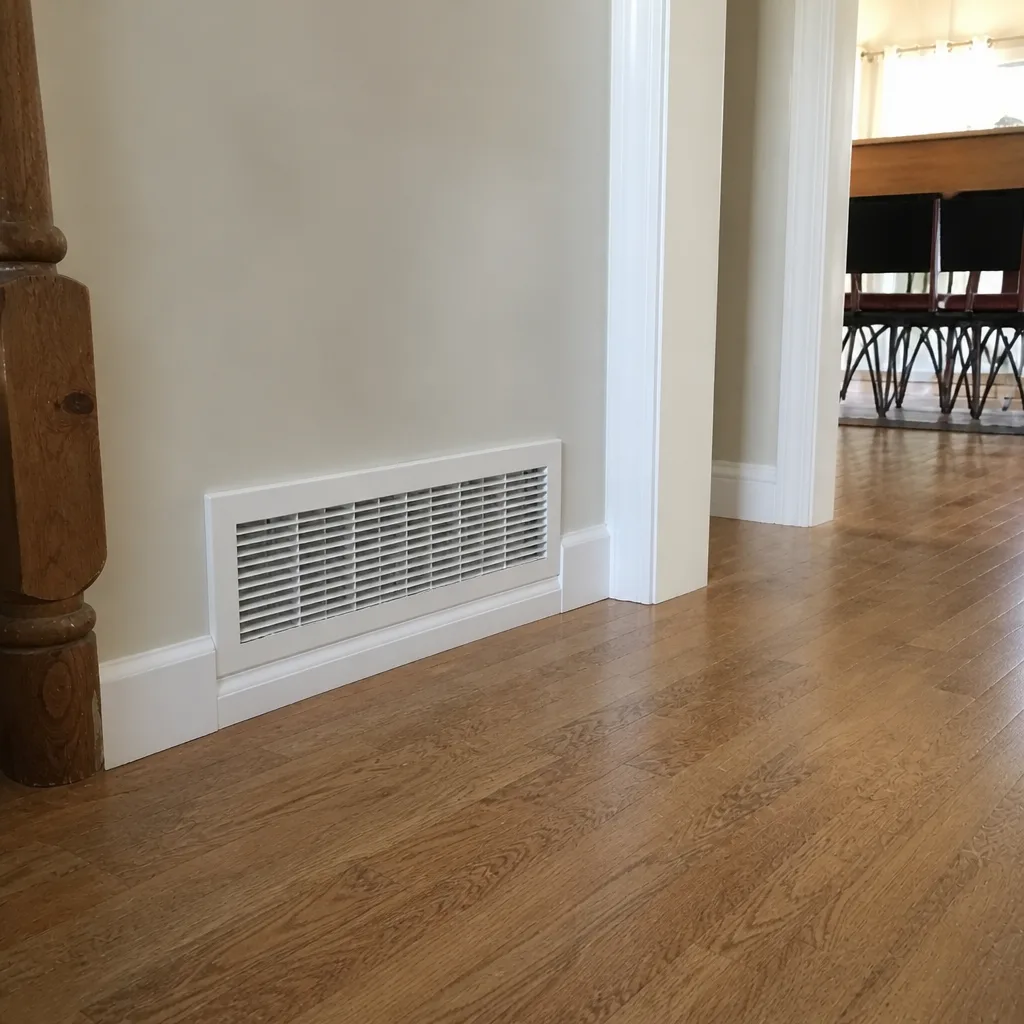 After
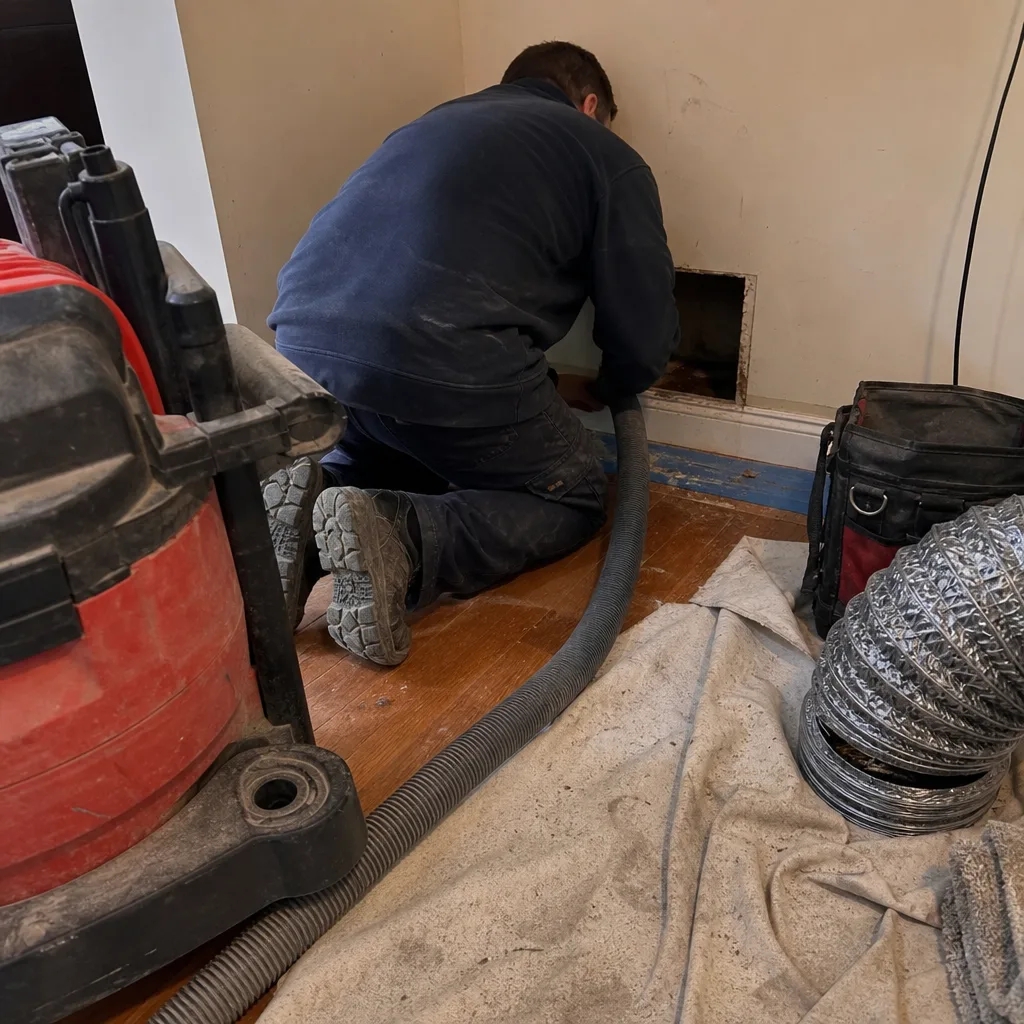 Before
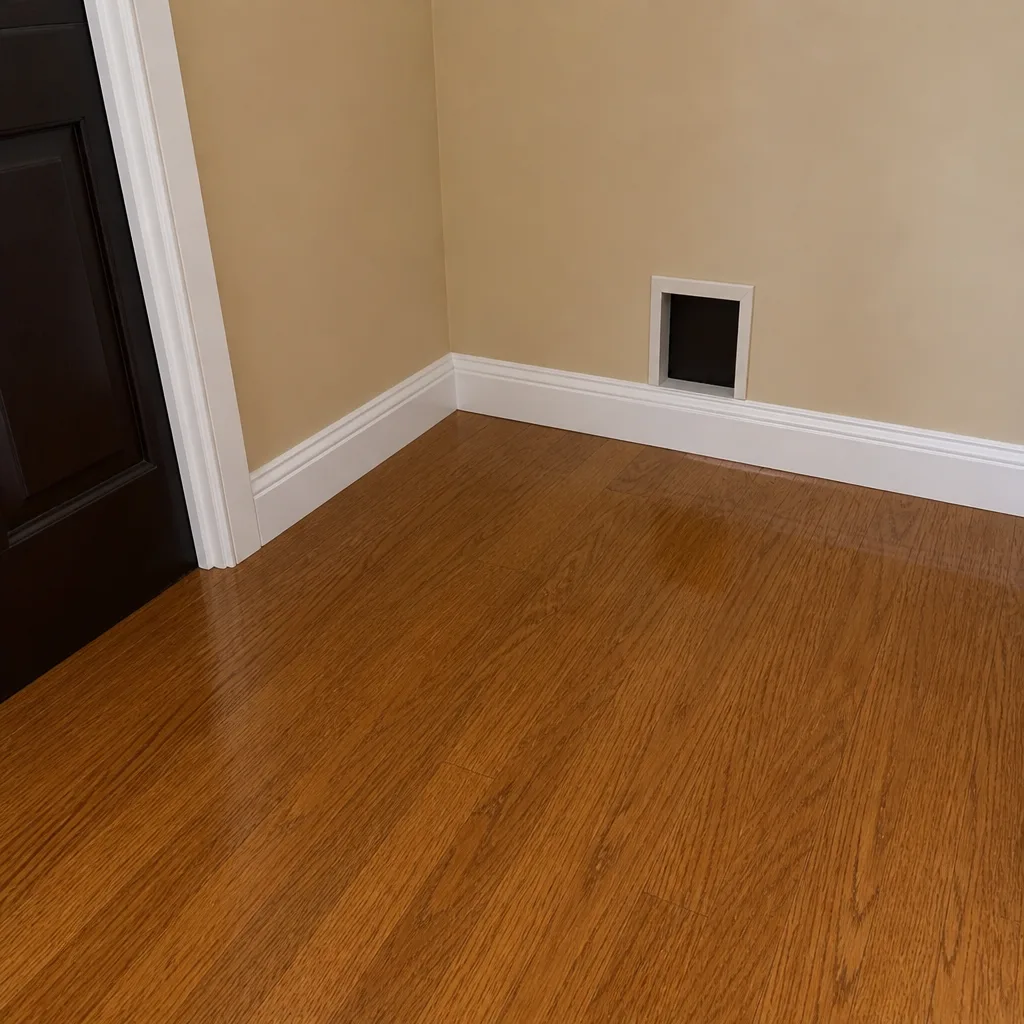 After
When to Call a Professional
Call when you smell something you can’t place, when a fresh filter doesn’t change the dust in the room, or when a technician has opened an access panel and found something that needs removing. Call after renovation or water intrusion. Call before assuming a cleaning is needed, so the inspection decides rather than the calendar. Call if you’ve been quoted per register, or if the quote arrived before anyone looked inside.
For the safety side: never open an air handler cabinet, coil door, or electrical panel to “check” the duct interior yourself. Cabinet-mounted control boards, blower motor capacitors, and coil wiring stay live well past the point a homeowner expects, and a metal brush on live equipment is how serious injuries happen. Duct work belongs to a trained technician. Air Duct Cleaning Tremont offers free estimates in Tremont. Call (833) 468-5768. We answer 24/7. Fast dispatch from 7am to 7pm, Sunday through Friday.
Frequently Asked Questions
It’s priced per system, not per vent, and the final number is set by the written estimate after inspection. Because two Tremont homes with the same square footage can have completely different duct systems (steel trunk and branches, fiberboard, or flex), the accurate way to price it is by scope: branches, access, materials, and whether the coil and plenum are included. Call (833) 468-5768 for an exact quote. Estimates are free.
There’s no official recommended interval, and any “every 3 to 5 years” rule is marketing, not research. The right answer for a Tremont home is based on inspection, not a calendar. Some homes go a decade between cleanings; some need it after a renovation or a wet basement event. Call (833) 468-5768 and let the inspection decide. Estimates are free.
Cheaper quotes usually skip parts of the job: no negative-air machine, no HEPA filtration, no coil or plenum cleaning, no branch-by-branch agitation, no report. The work still gets a receipt, but the system is not measurably cleaner. Ask any company what equipment they bring, which sections of the system they include, and whether they deliver before-and-after photos. Call (833) 468-5768 for a quote you can compare apples to apples. Estimates are free.
You get a report you can read: photos of the same duct interior before and after, static pressure readings at the air handler, and a written condition note on coil, filter, and sealing problems. A proper cleaning in Tremont shows up as measurable change, not just a verbal confirmation. Ask for the report before you book. Call (833) 468-5768 to schedule an inspection. Estimates are free.
Not harder, but they need different methods. Pre-1980s Tremont homes often have mixed materials (rigid metal in the main runs, fiberboard or flex in additions and retrofits), and each material takes a different brush and airflow strategy. A technician who doesn’t check the material first is a technician who can damage the duct they’re cleaning. Call (833) 468-5768 and we’ll inspect the materials before we quote. Estimates are free.
Sanitizing is a separate, second step. It’s warranted when cleaning has removed the debris but visible microbial growth or persistent odor remains, or when there’s a known moisture event in the system. It’s not automatic, and doing it before cleaning is a waste of money. Call (833) 468-5768 and we’ll tell you after inspection whether your Tremont system actually needs it. Estimates are free.
The Bottom Line
The right question isn’t “how often should I clean my ducts.” It’s “what’s actually inside my duct system, and how do I know a cleaning removed it.” In Tremont’s older housing, duct material shapes what a proper cleaning can and can’t do safely. The mechanical answer is agitation plus HEPA negative air, with a report that shows what came out. The equipment answer is that Rotobrush and Nikro agitation with Abatement Technologies filtration does what a shop-vac can’t. The pricing answer is flat, per system, written down before work starts. If a company leads with a coupon and a per-vent number, that’s not a quote, it’s a teaser.
Call (833) 468-5768 for a free estimate. We answer 24/7. Fast dispatch from 7am to 7pm, Sunday through Friday. We’re closed Saturday.
Written by the team at Air Duct Cleaning Tremont.